
Most of us spend one third of our day at the office. But did you know there are smells in the office that are making you sick? You know that “office smell” – the smell of printer paper and coffee. But here are seven other smells that often fly below the radar that are damaging your health.
1.) Copiers, printers and other electronics
Printing ink contains toluene, a clear, colorless liquid benzene derivative. The concentration of toluene in printing inks can be as high as 40%, Toluene can be hazardously toxic, and exposure can cause tiredness, dizziness, headache, loss of coordination or hearing, insomnia, nausea and eye and nose irritation (1).
2.) Coworkers smoking
We all have a coworker who smokes. The nicotine in tobacco smoke reacts with nitrous acid, a common component of indoor air, to form hazardous carcinogens (2).
3.) New carpet
Chemicals in new carpets, carpet pads and adhesives contain VOCS and can harm your health (3).
4.) Plug-in air fresheners
Air fresheners add potentially hazardous pollutants to the air. The use of air fresheners is related to elevated levels of VOCs (4).
5.) Mold
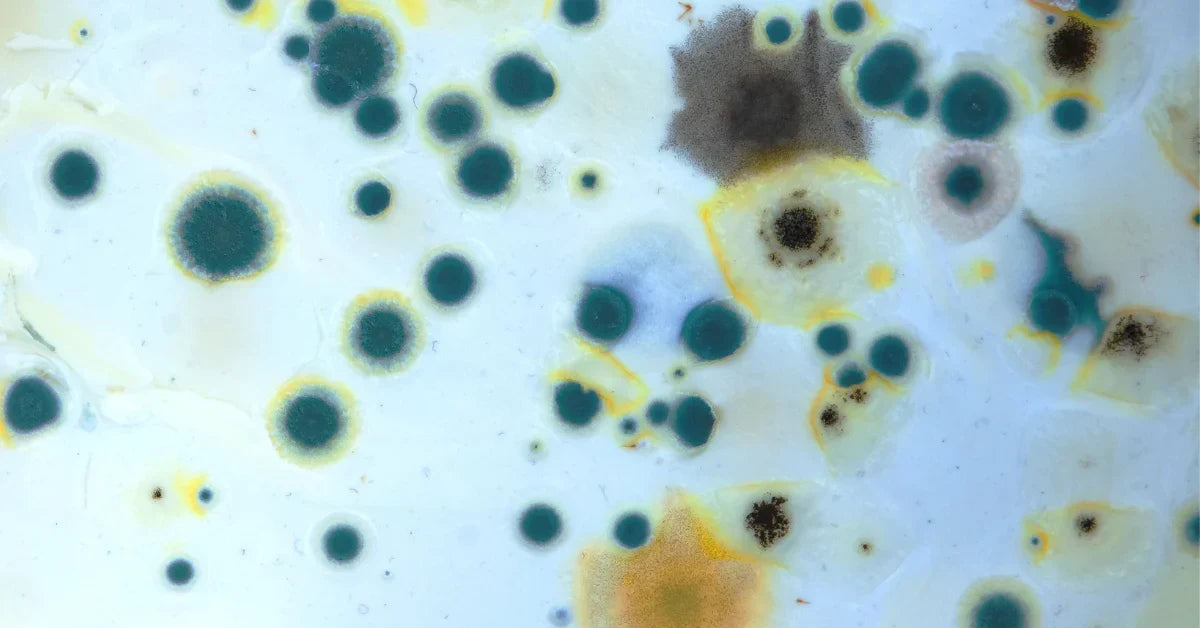
A musty smell in an enclosed area is often an indication of mold. Mold also emits VOCs, and inhaling mold can cause headaches, dizziness, fatigue and nausea (5).
6.) Perfumes, scented lotions and cologne
Many people wear perfumes, scented lotions and colognes to work. Chemicals in fragrances also emit VOCs, and exposure to them can cause headaches, eye, nose and throat irritation, nausea, forgetfulness, loss of coordination and other respiratory or neurotoxic symptoms (6).
7.) Traffic fumes
Many office buildings are located near highways or in high traffic areas. Traffic pollutes the air and causes a host of problems like asthma, impaired lung function and cardiovascular problems (7).
How Does Poor Air Quality in the Office Affect Work?
Studies found poor air quality in the office can affect performance. Harvard researchers carried out cognitive tests on 302 office workers across six countries. They found poor air quality negatively impacted employees’ performance, such as response times and ability to focus (8).
How Can This Be Fixed?
Proper office air filtration is essential for boosting employee performance. We know poor air quality at work negatively impacts employee performance. But offices are also shared indoor spaces, and poor air quality in these spaces poses a risk for transmission of pathogens and airborne pollutants that can lead to seasonal colds, flu and Covid-19, as well as contribute to asthma, COPD and allergy symptoms.
Work environments are often difficult to ventilate – modern buildings are often sealed shut with no opportunity for proper airflow, and older buildings may have outdated HVAC systems which do not allow for adequate ventilation either.
Austin Air purifiers provide the most comprehensive air filtration system on the market with medical-grade Certified HEPA Material and activated carbon. Shop your options here: https://austinair.com/filters/ .
Good news – there’s funding available for air purification in businesses. Learn how to access it here: https://austinair.com/business-funding/ .
References:
- https://dhs.wisconsin.gov/chemical/toluene.htm
- https://no-smoke.org/smokefree-threats/thirdhand-smoke/
- https://www.lung.org/clean-air/at-home/indoor-air-pollutants/carpets
- https://ehs.umass.edu/air-fresheners-and-indoor-air-quality
- https://www.epa.gov/mold/what-does-mold-smell
- https://noharm-uscanada.org/issues/us-canada/fragrance-chemicals
- https://www.lung.org/clean-air/outdoors/who-is-at-risk/highways
- https://www.verywellmind.com/poor-air-quality-affects-cognitive-performance-in-the-office-study-finds-5202011


Share:
How to Manage Melting Snow (And Possible Mold)
Choosing An Air Purifier In A Chemical Disaster