
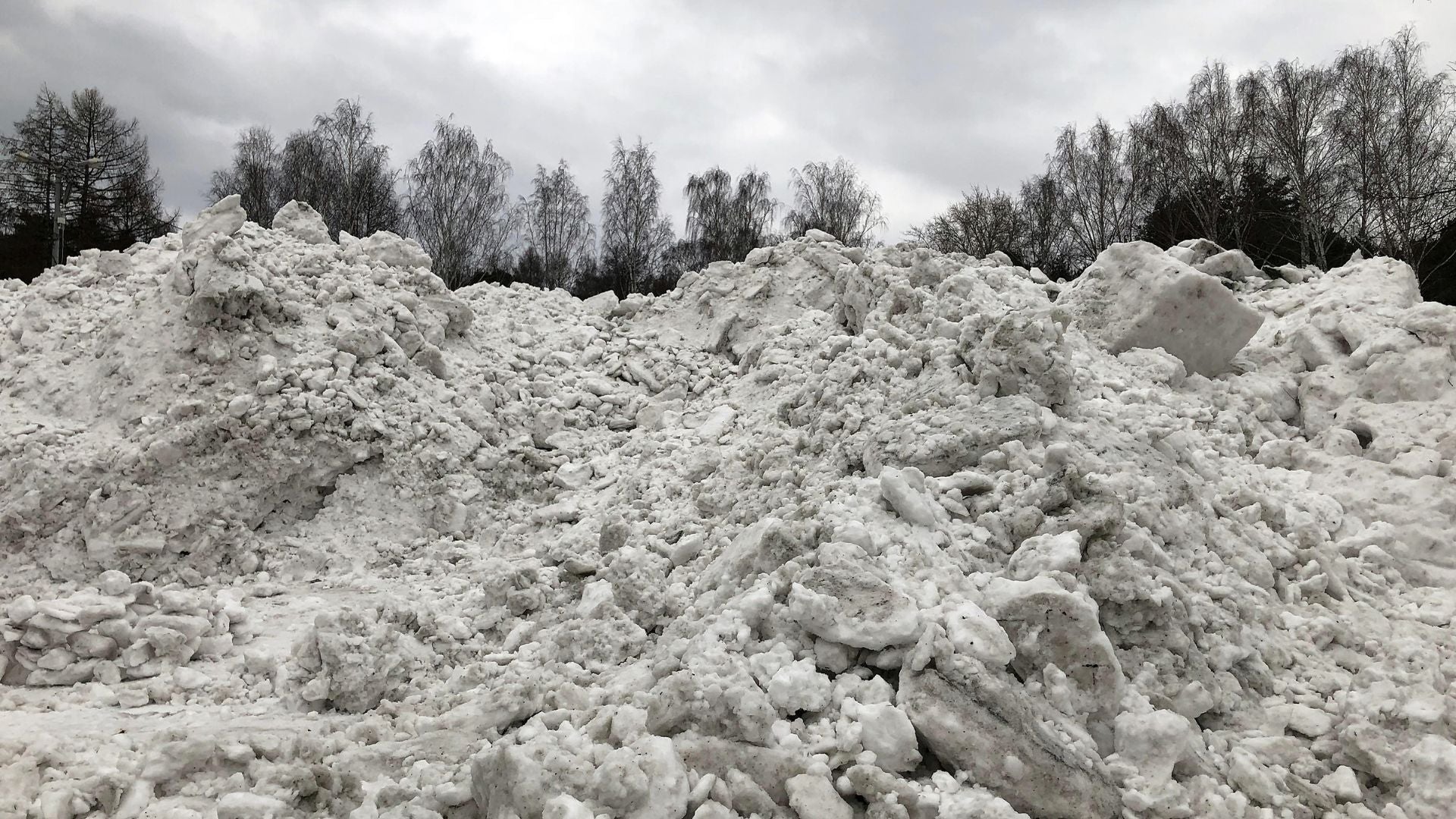
Spring is on the horizon. And while most of us are excited for warmer weather, longer days, shorter nights and the riddance of snow, melting snow can be a catalyst for mold growth.
If you live in an area that got a lot of snow this year and are experiencing allergy symptoms, or notice a musty, damp odor, mold may be the culprit.
Why is Mold Harmful?
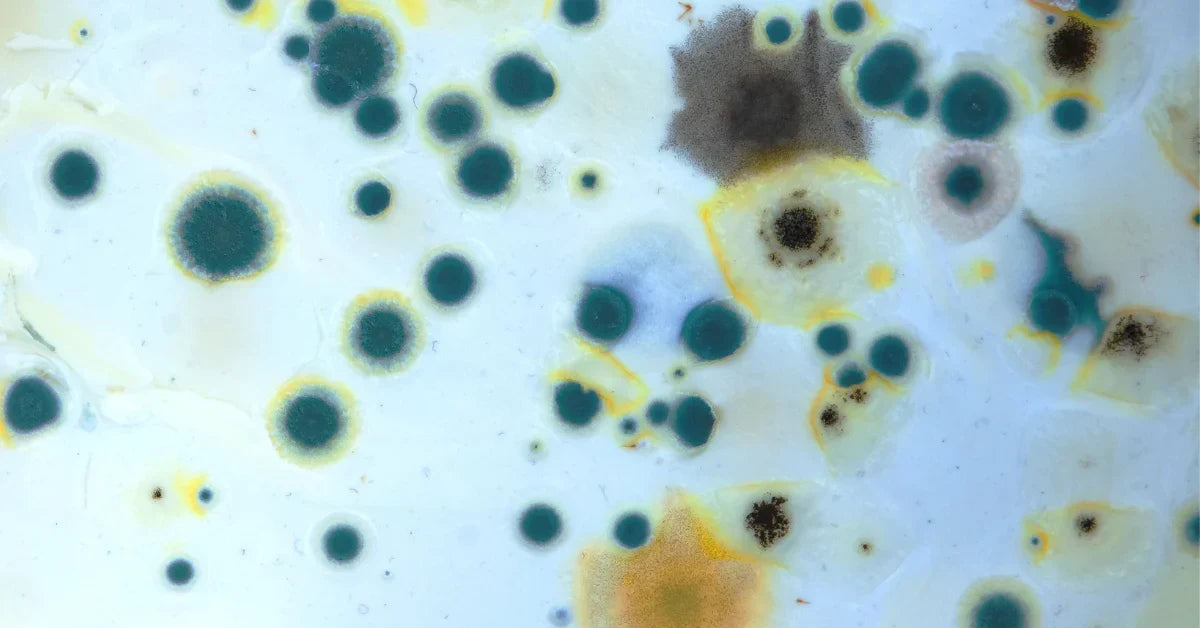
Mold produces millions of airborne spores that cause symptoms like runny nose, itchy, watering eyes, coughing and sneezing. Mold exposure can also exacerbate allergy symptoms, increasing the likelihood of an asthma attack.
In the right conditions, certain types of mold can also produce mycotoxins, which can be extremely dangerous. They are associated with liver cancer and kidney failure, and can also damage the brain and central nervous system.
What is Snow Mold?
Damp, dead grass covered with snow provides the ideal environment for mold to grow. Once the snow has completely melted, the mold spores are released into the air. This can be problematic for everyone, but especially people with allergies to mold or snow mold, COPD, or asthma.
There are two types of snow mold:
- Gray – This version of mold mainly grows on blades of grass.
- Pink – This version of mold attacks the roots and crowns of plants.
Melted snow can also cause flooding, which can cause water damage inside your home and lead to mold.
How Can I Stay Safe?
During the months leading up to Spring, it’s especially important to maintain good indoor air quality. Mold is a major source of air pollution and poses serious health risks. You can keep the air in your home safe by proper air filtration and ventilation.
-
Proper Air Filtration
-
-
- Because of our use of medical-grade Certified HEPA Material and activated carbon, Austin Air purifiers are excellent at removing airborne mold spores. The Austin Air Healthmate removes up to 99.97% of airborne contaminants, including mold spores. With 60 square feet of medical-grade Certified HEPA Material and a blend of activated carbon and zeolite, the Healthmate will remove mold spores and mycotoxins in the air. Buy our mold removing air purifier here: https://austinair.com/shop/healthmate/ .
-
-
Proper Ventilation
-
- A well-ventilated home allows airflow, creating an environment where mold and bacteria cannot develop, while a poorly ventilated home can lead to moisture build up, especially in areas like the basement or bathroom.
How to Prevent Snow Mold:
- Break up remaining snow banks once the snow starts to melt. This allows the snow to melt faster, and keeps the snow from covering the ground.
- Ensure your lawn has proper drainage. Anywhere water pools is a breeding ground for mold, so make sure your lawn is level and fill in any low areas.
- Don’t let snow or leaves pile up. Anything that traps moisture is a recipe for mold growth. Rake up leaf piles in the fall, and try not to create large piles of snow that will take a long time to thaw.


Share:
Four Ways to Get A Clean Classroom – Without Bleach!
Seven Smells at Work Making You Sick