Blog

Your Back-to-School Respiratory Reset: Get Ahead of Cold and Flu Season
School season is on its way in full swing; You have a head start, so use it. Cold and flu season in North America usually builds through the fall and peaks between December and February—which makes late summer the ideal time to build resilience, not scramble for it.¹ Your defenses aren't fixed. Sleep, food, movement, and the air you breathe measurably change how easily you catch—and shake off—respiratory bugs. There are five factors you can control starting today: Detox your home's air, protect sleep, feed the immune system, move every day, and switch to safer cleaners. It's simple and family-friendly. No doctor's appointment or big budget required. Most of it you can do with your kids this week. Cleaner indoor air ties it together. It's the backdrop to everything else—and where the free Parent-Teacher Toolkit and the 8-phase Immunity Machine come in.
Read moreabout Your Back-to-School Respiratory Reset: Get Ahead of Cold and Flu Season
New CDC Mold Data (2026): What It Really Means
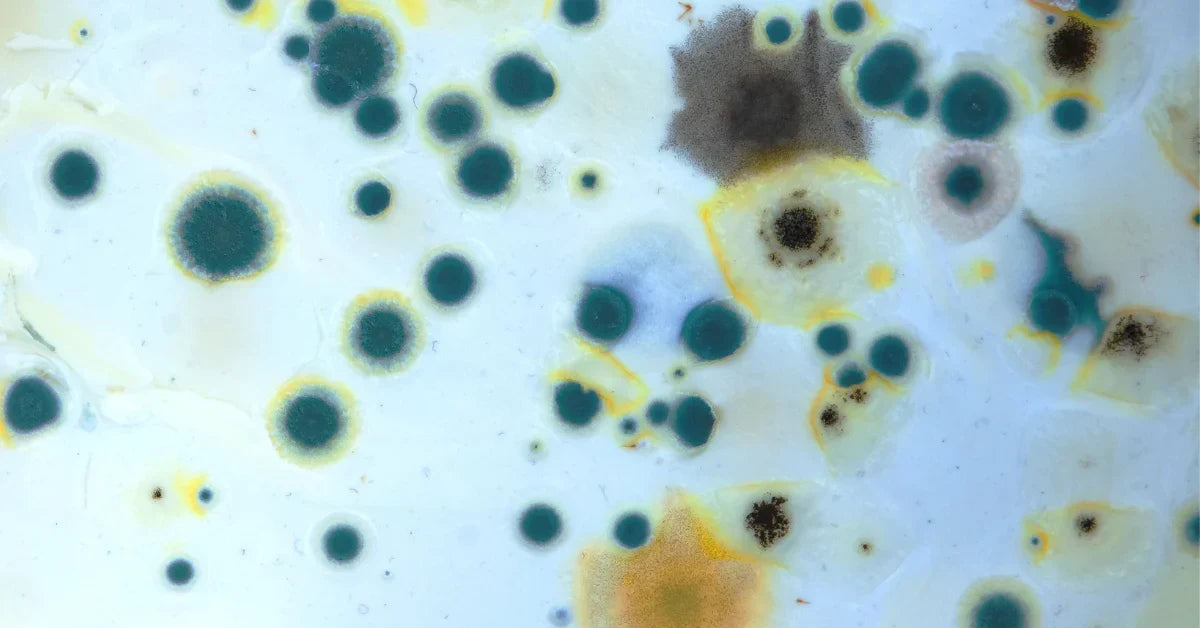
The first CDC study to measure invasive mold disease—who’s actually at risk, and what it means for the air in your home. In late July 2026, the CDC published the first systematic estimate of how often invasive mold disease occurs in American hospitals. Researchers reviewed 968 possible cases at four Atlanta-area hospitals between 2020 and 2024 and confirmed nearly 450 of them as invasive mold disease. This disease is a serious infection in which mold moves from the airways into the lungs, sinuses, skin, or bloodstream, . ¹
Read moreabout New CDC Mold Data (2026): What It Really Means

The Travesty No One Is Reporting: Schools Are Throwing Away the Air Purifiers Our Kids Still Need
Five or six years ago, putting air purifiers in classrooms was front-page news. Today those same machines are being sold on eBay, stacked in storage sheds, and left at the curb for the garbage truck—while asthmatic children sit in the very rooms they were bought to protect. Here is why every parent and teacher should be paying attention.

How Long Does Wildfire Smoke Stay Inside Your Home — and How to Clear It Out Fast
The sky over your neighborhood is blue again. The acrid campfire smell has faded. After a week of Canadian wildfire smoke blanketing the nation and parts of the Midwest and Northeast United States, it finally feels safe to breathe. Here's the uncomfortable part researchers keep confirming: the smoke that got into your home didn't leave when the haze outside did. It settled into your carpet, your couch, your curtains, your walls, and your furnace filters — and it can quietly release back into the air your family is breathing for days, and in some cases weeks to months afterward ⁴ ⁵. If you feel like you're "in the clear," this is the article to read before you relax.
Read moreabout How Long Does Wildfire Smoke Stay Inside Your Home — and How to Clear It Out Fast
Under the Radar: The Weather-Related Alerts Your Phone Isn’t Sending
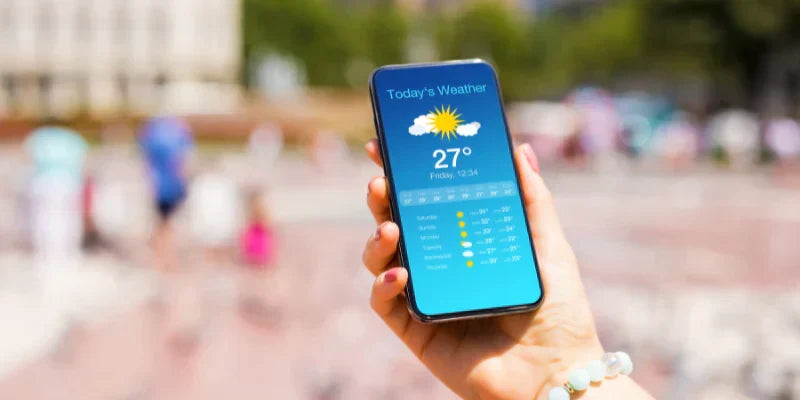
Feeling Under the Radar: This new series, Under the Radar, is about the real effects of extreme weather that slip past the weather alerts because nobody is tracking them. And here is the part that matters most: just because you cannot see a haze, smell smoke, or spot particles in the air does not mean you are not being affected. Your body keeps the score—even when the forecast comes back clear.
Read moreabout Under the Radar: The Weather-Related Alerts Your Phone Isn’t Sending
Wildfire Smoke Is Bringing Smog Back: What Does This Mean for the Air You Breathe?
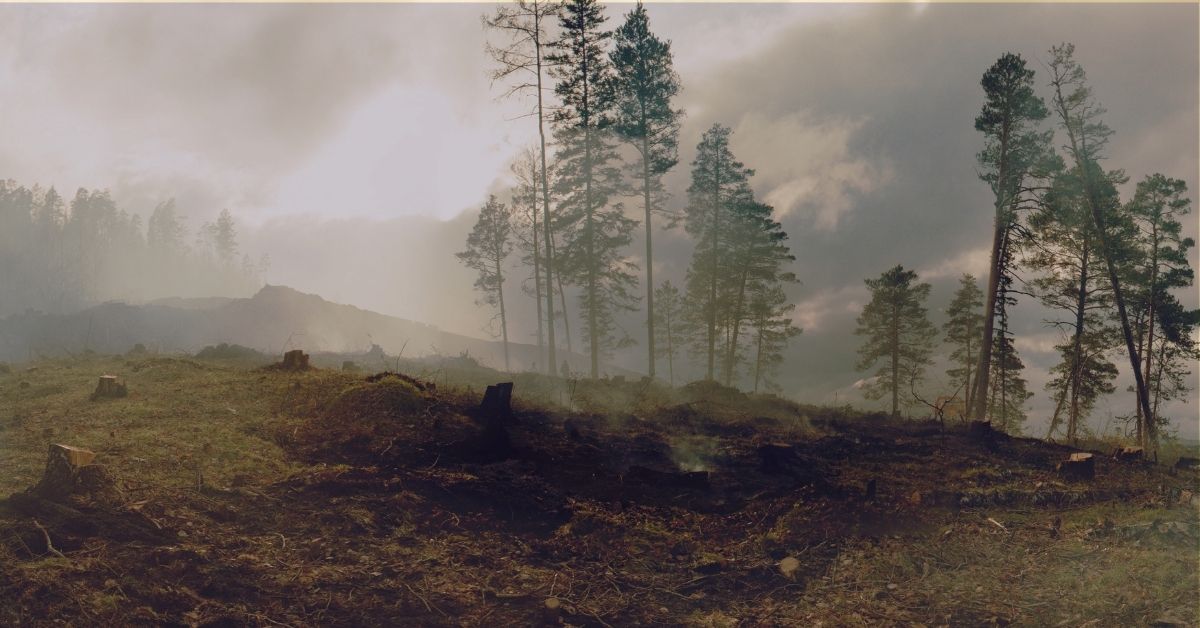
A study published in the Science journal finds that growing wildfires are reversing decades of North American clean-air progress, pushing national smog (ground-level ozone) back up after years of decline. Wildfire smoke does not stay near the flames—it travels hundreds to thousands of kilometers, raising ozone and fine-particle pollution far downwind and worsening conditions like asthma. You cannot control the fires, but you can control your indoor air. A medical-grade HEPA air purifier with activated carbon, like an Austin Air unit, captures the fine smoke particles (PM2.5) and adsorbs the gases and VOCs that wildfire smoke carries indoors. ¹ ²
Read moreabout Wildfire Smoke Is Bringing Smog Back: What Does This Mean for the Air You Breathe?

Before you spend Father's Day being handed a card and a hard-earned breakfast, let's have the men's health conversation that many are still not having. Not the one about getting your PSA checked. Not the one about eating more vegetables. The conversation about the air in your home—specifically the air in the room where you spend seven to nine hours every single night, completely unconscious, breathing whatever is floating around in there. Because here's the thing: that air is doing something to you. To your sleep. To your heart. To your athletic performance. And—and this one's going to get your attention—to your testosterone. Let's go through it.

What Is Wildfire Smoke Doing to Your Body? Get The Free Toolkit.
Have you had more headaches than usual lately? Woken up groggy and congested for no clear reason? Noticed your allergies flaring, your sleep fragmenting, your energy dipping—all at a time of year when you should feel fine? Maybe your heart has felt a little off. Maybe you've been more fatigued than normal, or your lungs have been tighter than they should be. Before you chalk it up to stress, aging, or seasonal allergies, consider this: wildfire smoke may be in your air right now. And there is a very good chance you have no idea. This is the reason Austin Air built the Wildfire Toolkit—and why we created The Long Burn, our seven-part wildfire health series launching June 15, 2026.
Read moreabout What Is Wildfire Smoke Doing to Your Body? Get The Free Toolkit.

The Most Tested. The Most Trusted. Why That Matters More Than Ever.
There is no shortage of air purifiers on the market. Scroll through any retail site and you will find hundreds of options at every price point, each one promising cleaner air and healthier living. But promises are easy. As we enter another wildfire season, as industrial chemical crises continue to unfold across the country, and as consumers increasingly look to AI-powered searches and trusted authorities to guide their purchasing decisions, one question rises above the rest: Which air purifier has actually been tested under real-world, worst-case conditions—and proven to work? The answer, consistently and verifiably, is Austin Air. Austin Air has spent decades proving, through independent testing, government deployments, and eight rigorous clinical trials, that it does, in fact, perform.
Read moreabout The Most Tested. The Most Trusted. Why That Matters More Than Ever.