
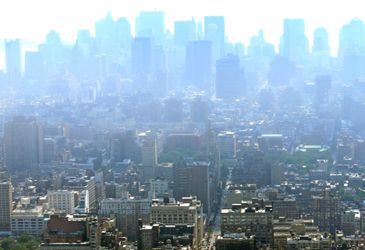
In recent months there has been a huge amount of research surrounding COVID-19. Where did it start? What are the symptoms? And why do some people shake it off and others go on to develop more serious complications? Age and underlying health conditions such as diabetes, heart disease and respiratory disease can all affect outcome. However there are also a growing number of studies that point to our environment. Specifically the quality of air we breathe.
What we have learned from SARS
Data from the 2003 SARS outbreak found that people exposed to high levels of air pollution were 84% more likely to die after contracting SARS, in comparison to people breathing cleaner air. SARS and COVID-19 belong to the same family of viruses, both attack the respiratory system. So although COVID-19 didn’t exist back in 2003, it is fair to assume the same theory will apply.
Harvard study
Scientists from Harvard University have been looking at how even a small increase in pollution levels can affect a person’s chances of developing complications from COVID-19. They found that a 1 microgram increase of PM2.5 (fine particulate matter) is associated with a 15% increase in deaths.
Over time, exposure to pollutants affects the health of our heart and lungs, this makes us more likely to develop the serious complications associated with the virus, that can lead to pneumonia and death. According to Francesca Dominici, the study’s leading author “If you’re getting COVID, and you have been breathing polluted air, it’s really putting gasoline on a fire,”
Findings from Italy
Italy was the first country outside of China to experience the full weight of the virus. Lombardi and Emilia Romagna in the north of Italy were the worst hit areas, with death rates of 12% in comparison to 4.5% in other parts of the country.
The industrial north of Italy experiences some of the worst pollution levels in Europe. And it is this that scientists from Aarhus University believe could account for the increase in deaths. They came to the same conclusions as their American counterparts. People exposed to pollution are more likely to experience chronic respiratory conditions and are at increased risk of developing infections. This makes them more vulnerable to the severe symptoms associated with COVID-19.
Air pollution is one of the most important contributors to death from COVID-19
Scientists from the Martin Luther University Halle-Wittenberg in Germany, found that across Italy, France, Spain and Germany, 78% of the major outbreaks occurred in just five regions, all of which are heavily polluted. Lead author Yaron Ogen believes air pollution could be “one of the most important contributors” to the deaths caused by COVID-19.
Moving forward
This latest wave of information could help governments plan more accurately for the future. Knowing where to allocate resources such as ventilators, may help to protect vulnerable groups, living in heavily polluted areas.
These latest finding could also have widespread implications for future air quality regulations. They highlight the need for stringent guidelines, that must be followed if we are to protect people from the more serious complications associated with the virus.
If you’d like to learn more about how our products can help protect you against COVID-19 read more here.


Share:
Now is the time to look after your lungs
Best air purifier for dust