As COVID-19 continues to spread at an alarming rate, we are all concerned about contracting it and developing complications that could make us seriously ill or worse.
For the vast majority of the population, symptoms of COVID -19 will be mild with a dry persistent cough and a fever. Only a small percentage of people go on to develop more serious complications, such as NCIP, a specific type of pneumonia associated with the virus.
So what can you do to increase your chances of being one of the lucky ones, someone who develops the virus, with mild or no symptoms at all?
Stop smoking
If you smoke, now more than ever, its time to stop. According to Aaron Bernstein at the Harvard T.H Chan School of Public Health, smokers are going to fare far worse than non-smokers if they contract COVID-19. Remember it’s never too late to stop. For more support and advice on how to quit, visit the CDC site here.
Pollution increases risk of pneumonia complications
Mr Bernstein also points out that people living in heavily polluted areas are more likely to be hospitalised if they contract pneumonia. Furthermore, data from the 2003 SARS outbreak found that people living in heavily polluted areas were 84% more likely to die after contracting SARS, in comparison to those living in areas with cleaner air.
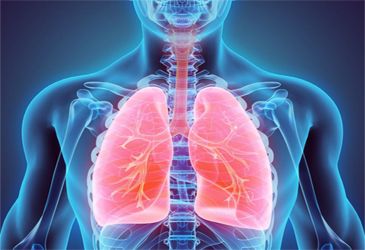
It makes sense that we are more vulnerable to developing complications if our bodies are already under pressure. When pollution enters the lungs, our immune system reacts, causing inflammation. According to Michael Jerrett, a professor of environmental health science at the UCLA Fielding School of Public Health. ‘Once the lung is inflamed, the ability of a virus to penetrate is elevated.’
So, although reducing our exposure to pollution won’t stop us contracting the virus. It will certainly give us a better chance of recovering from it quickly, with the minimum of symptoms.
What else can you do to reduce your risk?
Eat well. A healthy, balanced diet with lots of fresh fruit and vegetables, will help to boost your immune system. Many of us are spending a lot more time at home, it’s the perfect opportunity to cook fresh and eat well.
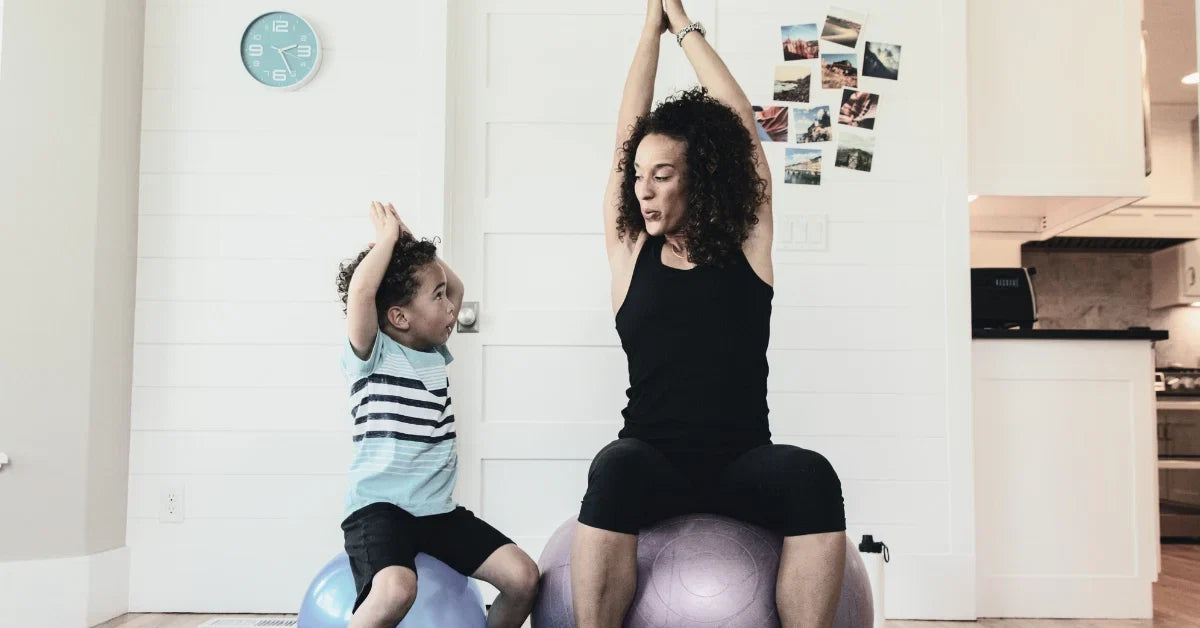
Stay active. Even if it’s just a short walk, a little exercise every day helps our bodies and our minds. Lockdown does not mean laydown.
Don’t forget your meds. If you have ongoing health issues, be sure to stay on top of your meds. Now more than ever you need to look after yourself.
Get plenty of sleep. You may never again have the chance to sleep the way you can at the moment. Make the most of it. Even if you continue to work from home, cutting out on the commute means you have more time in the mornings. When we sleep our bodies rest and repair. Good quality sleep is vital if you want to stay healthy.
This really is a time when we all need to look after ourselves. For more info on how our products can help you do that click here.

Share:
Keep your home clean and safe during lock down
Pollution linked to increase in COVID-19 deaths