For parents with asthmatic children, September can be a particularly challenging time. Fall allergies, combined with the start of the school year, leads to a significant spike in asthma attacks and the number of children admitted to hospitals. So this seems like a good time to discuss some of the issues surrounding asthma and what you can do to create a safe environment in your home.
Why is asthma on the rise?
Asthma affects around 8% of children in the US, with numbers on the rise every year. So why are so many more children being diagnosed with the disease?
We’re too clean!
A theory known as the ‘Hygiene Hypothesis’, illustrates how today’s super clean environment, where we regularly use powerful cleaning products and antibiotics, prevents children from being exposed to the bacteria they need to develop a healthy immune system.
Poor air quality leads to an increase in asthma symptoms
It is well established that children from disadvantaged backgrounds fair much worse when it comes to asthma and allergies. Children living in poor quality housing are more likely to be exposed to damp and mold, bedbugs, dust and tobacco smoke.
Living in a deprived area, close to busy roads, also means children are exposed to high levels of pollution. These environmental factors can have a serious impact on a child’s health and significantly increase the risk of an asthma attack.
Create a safe environment for your family
We may not have much control over the quality of air on our streets. But there are a number of things we can do inside the home, to reduce risk and make our living space a healthier place.
Keep dust to a minimum
Dust is a major asthma trigger, keep your home dust free with regular vacuuming. It’s also a good idea to keep clutter to a minimum, a clutter free home means dust has nowhere to hide and it makes cleaning much easier. Always use a damp cloth to wipe surfaces, this helps to trap dust and stops it being released back into the air.
Go natural
Harsh chemicals and cleaning products are a major asthma irritant. Always try to use natural products to clean your home. Lemon juice, vinegar and baking soda are all safe alternatives to chemicals. And if you don’t have time to make your own, our favourite cleaning brand is Branch Basics. Using all-natural, non-toxic ingredients, Branch Basics offers a safe and effective solution for home cleaning.
Avoid perfumes
Perfumes in beauty products, air fresheners and candles are all irritants for people with respiratory issues. Try to opt for products that use natural scents, or products with no scent at all.
Say no to unwanted guests!
Bedbugs thrive in a warm damp environment. Keep bedrooms well ventilated and wash bedding regularly to keep any unwanted guests out of your home.
Watch out for mold
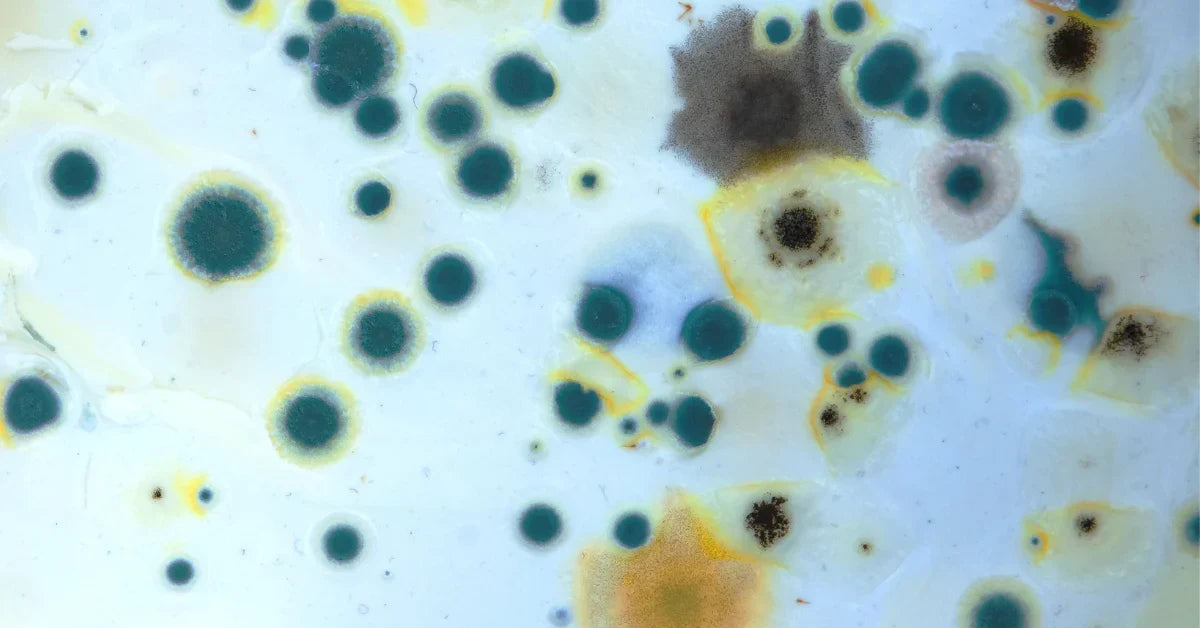
Mold can be a real problem for people with asthma and allergies, particularly as temperatures fall at this time of year. Make sure high-risk areas like bathrooms and basements are well ventilated. Check regularly for leaks and keep gutters clear. Follow these simple steps to keep mold out of your home.
For the ultimate protection choose Austin Air
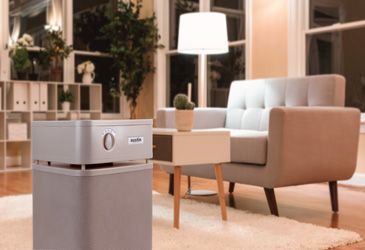
Invest in a good quality air purifier, such as the Austin Air Healthmate Plus®. Ideal for children with asthma, the Austin Air HealthMate Plus® will take care of ALL the pollutants we have mentioned here. Our clinically proven filter technology removes chemicals, mold spores, dust and allergens, as well as viruses*, bacteria and pet dander. The Austin Air HealthMate Plus will keep the air in your home safe and clean. Protect the ones you love with Austin Air.
*Covid-19 is a new strain of virus that as yet, remains untested. However, the Medical Grade Certified HEPA Material technology used in our filters is proven to remove up to 99% of all airborne contaminants as small as 0.1 microns.


Share:
What is smoke
What is HEPA?