Certified HEPA Material is a term that’s used a lot right now. Demand for Certified HEPA Material is extremely high, which is no surprise considering it can filter viruses, including Covid-19. Certified HEPA Material can also remove the smallest particles found in wildfire smoke. In today’s world, we need Certified HEPA Material!!
But what exactly is Certified HEPA Material? What are its origins? How is it made? And where else, apart from air purifiers, is Certified HEPA Material used?
Certified HEPA Material – what does it mean?
Certified HEPA Material is short for High Efficiency Particulate Arrestance. True Certified HEPA Material is heavily regulated and must meet stringent standards. All True Certified HEPA Material must be capable of filtering 99.97% of particles that are 0.3 microns or larger.
Where did it come from?
Certified HEPA Material was first developed in the 1940’s as part of the ‘Manhattan Project’, the same project that developed the atomic bomb. Scientists needed a filtration system that was capable of removing the airborne toxins emitted during the development and manufacturing process.
How is it made?
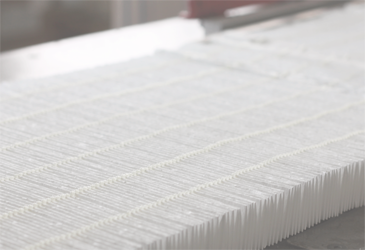
Certified HEPA Material is made by randomly aligning tiny fibres of glass, the fibres themselves are super small, less than 1 micron in size. To give this some perspective, the width of an average human hair is about 70 microns.
Layer upon layer of these glass fibres are compressed, to create a pristine white Certified HEPA Material paper. The Certified HEPA Material filters used in our units are pleated, this allows us to fit a large amount of Certified HEPA Material into the filter, 60 sq. ft. to be precise. Using a large quantity of Certified HEPA Material in this way gives Austin Air units a much longer filter life.
Where is it used?
The origins of Certified HEPA Material may be a little dark but since then Certified HEPA Material has played an important role in the development of new technology. Areas of research such as pharmaceuticals, aerospace engineering and computer chip manufacturing would not have advanced in the same way without the use of Certified HEPA Material filtration. Certified HEPA Material is also used in mold remediation, asbestos clean-ups, lead and chemical cleaning, as well as air filtration and vacuum cleaners.
What can it do?
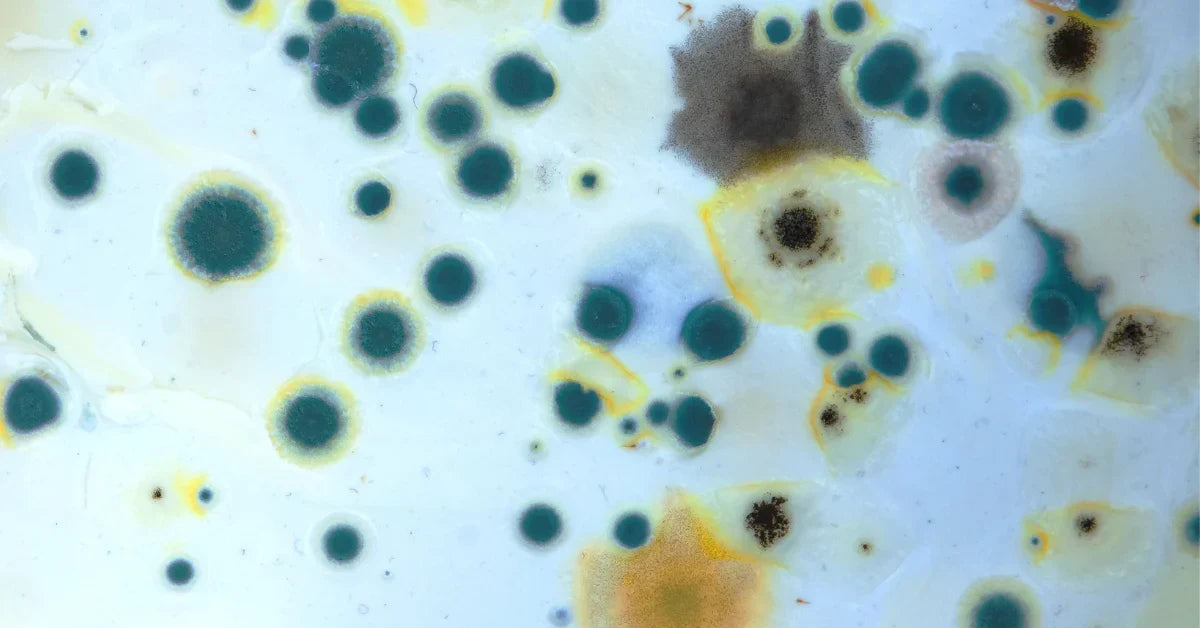
When it comes to air filtration, True Medical Grade Certified HEPA Material is the gold standard. Certified HEPA Material removes a wide range of pollutants from the air, including dust, dander, pollen, mold spores, allergens, bacteria and viruses*.
What can’t it do?
Certified HEPA Material is by far the best way to remove certain pollutants from the air. However there are some pollutants it won’t remove, such as gases, odors, chemicals, smoke and VOC’s. That’s why we always use a combination of True Medical Grade Certified HEPA Material and Carbon in our filters. The Certified HEPA Material takes care of the allergens, dust, bacteria and viruses. The Carbon blend effectively removes gases, odors, chemicals and VOC’s.
Beware of fake Certified HEPA Material
When deciding on which brand to buy, watch out for the fakes. True Medical Grade Certified HEPA Material removes 99.97% of all particles that are 0.3 microns or larger. Beware of other products using ‘Certified HEPA Material type’ filters, they are not as effective as Medical Grade Certified HEPA Material and will not give you the protection you need.
Another thing to check is the amount of Certified HEPA Material used. Austin Air Purifiers use 60 sq. ft. of Medical Grade Certified HEPA Material, this ensures a very long filter life. Other models may use Medical Grade Certified HEPA Material, but if they only use a small quantity, you could be changing your filter every few months, a cost you can do without.
Only the best for Austin Air customers
Here at Austin Air we take pride in using only the highest quality filtration media. We use 60 sq. ft of True Medical Grade in our all our standard size filters. This ensures the effective removal of allergens, viruses*, bacteria and dust. And our unique carbon blend is designed to remove the gases, chemicals, VOC’s and odors that are often present in modern homes. The result is a filter that provides up to 5 years of protection.
If you’d like to learn more about our range of air purifiers, check out our shop page HERE.
*Covid-19 is a new strain of virus that as yet, remains untested. However, the Medical Grade Certified HEPA Material technology used in our filters is proven to remove up to 99% of all airborne contaminants as small as 0.1 microns.


Share:
Asthma concerns? Create a safe environment in your home
Got a question? We’re here to help!