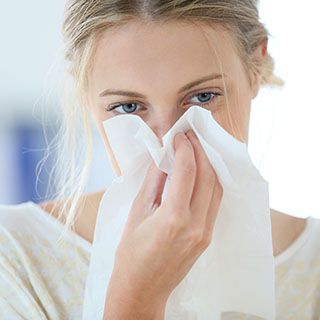
With spring just around the corner, many of us are preparing for the start of allergy season. But it’s worth remembering that, when it comes to seasonal allergies, it’s not all about the flowers and grasses. For lots of people, allergy season starts much earlier.
Winter allergies
We don’t necessarily associate trees with allergies. But trees produce pollen in the same way that plants and grasses do. Pollenating as early as January in some parts of the country, trees have a long allergy season that can carry on right through June.
Tree allergy symptoms are often very similar to hay fever. So if you’re suffering from a runny nose, sneezing, itchy nose, ears and mouth, early in the year, it may be the trees.
Spring Allergies
Spring is by far the worst time of year for people with seasonal allergies. Plants release millions of particles of pollen into the air, wreaking havoc for anyone with hay fever. For the many millions of Americans with seasonal allergies, spring can be a pretty miserable time of the year.
Summer Allergies
Grasses reach their growing peak in early summer and are often a major allergy trigger. And if you live in an area where summer ozone levels are high, this may also cause your allergy symptoms to worsen.
Fall Allergies
Just when you feel like you’re getting over your summer allergies, fall arrives and with it comes ragweed season. Ragweed grows in most parts of the US and Canada. It’s a prolific pollinator and is the main source of fall allergies. One single ragweed plant can produce up to a billion grains of pollen that are so light, they can travel many miles on the wind.
Allergy tips
Although there is no cure for seasonal allergies, there are a few things you can do to help minimize symptoms and make life easier. Keep an eye on pollen levels in your area. On days when pollen counts are higher than 120, try to stay indoors with your windows and doors shut. If you do spend time outside, take a shower and change your clothes when you return home, as this will help to keep pollen levels down. Regular vacuuming and cleaning will also help to keep other allergens, such as dust and pet dander to a minimum inside your home.
Is it seasonal allergies or Covid-19?
At a time when even the slightest sniffle raises alarm bells and has us all asking, ‘do I have covid?’ It’s wise to remember that while some allergy symptoms are similar to Covid-19, many are not. If you’re sneezing and have a runny nose, it is unlikely to be Covid-19. On the other hand, if you have a fever and chills, these are not symptoms associated with seasonal allergies and could be due to Covid-19.
Peace of mind this allergy season with Austin Air!
To ensure your home is free from allergens such as pollen, dust and pet dander, you may want to consider investing in an Austin Air purifier. Using medical grade Certified HEPA Material and activated carbon, Austin Air purifiers deliver clean air, free from allergens, fast.


Share:
Are You Ready for a Spring Clean?
Would your home survive a wildfire?