
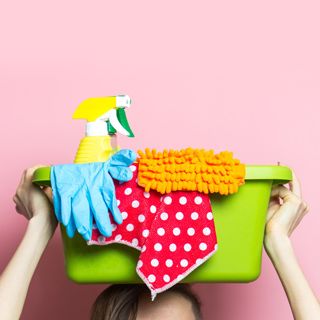
As the days get longer and the weather warms up, now is the perfect time to spring clean your living space.
Over the last few months, we have stayed home with the heating running and the windows and doors shut tight. It’s the perfect environment for dust, allergens and other indoor pollutants to build up, creating havoc for you and anyone in your family with allergies or respiratory issues.
So as spring approaches, we’ve put together a few tips to help you keep allergens and pollutants to a minimum.
It’s time to declutter!
A space with lots of books, magazines and trinkets, is the perfect environment for dust and allergens to build up. Take some time to declutter, it makes future cleaning much easier and it stops the dreaded dust from building up!
Go natural!
Harsh chemicals and cleaning products are a major asthma and allergy irritant. If possible, try to use natural cleaning products, such as lemon juice, vinegar and baking soda. They are safe to use, they won’t pollute the air with nasty chemicals, and they cost a lot less than standard cleaners. For some easy and inexpensive natural cleaning recipes, check out the Wellness Mama Blog to help you get started.
And if you don’t have time to make your own, our favorite cleaning brand is Branch Basics. Using all-natural, non-toxic ingredients, Branch Basics offers a safe and effective solution for cleaning your home.
Avoid the scented stuff!
As tempting as it is to freshen up a room with a squirt of air freshener or a scented candle, these products often contain a long list of chemicals, that can seriously impact your indoor air quality. Instead, opt for essential oils or beeswax candles, they will leave your home smelling clean and fresh without the use of chemicals.
What’s living in your mattress?
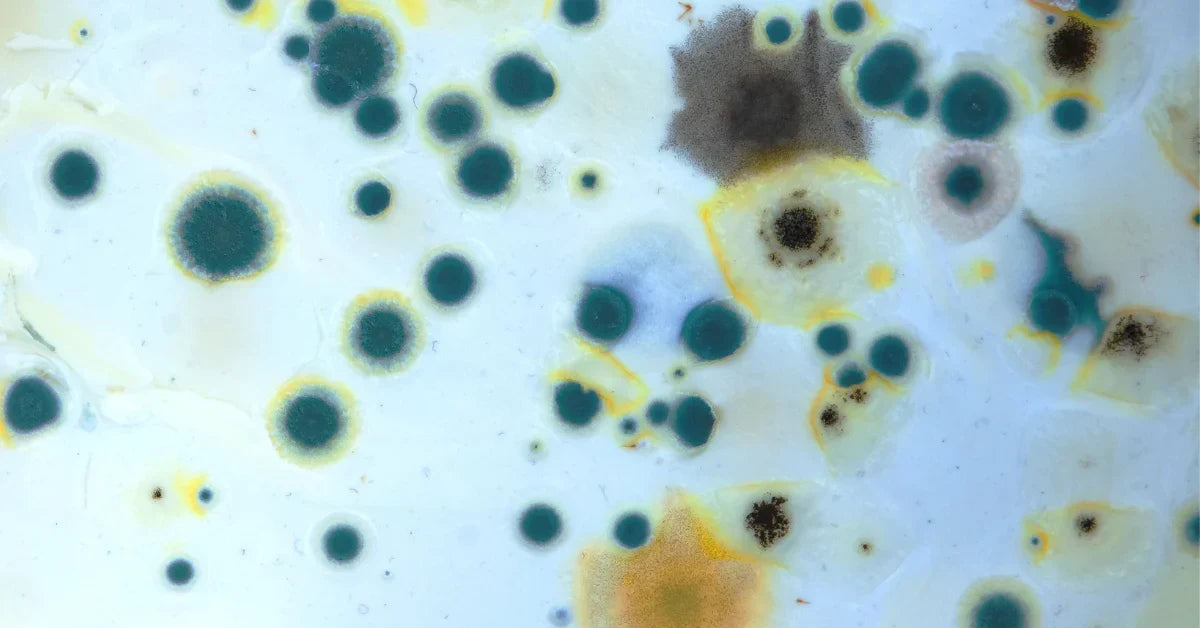
Pillows, comforters and mattresses can all be a major source of allergens. There is a long (and quite disgusting) list of things that like to live in our bed. Regular washing and vacuuming will help to keep the dust mites, fungus, sweat and skin scales to a minimum.
And for extra protection, dust mite covers, and anti-allergen pillows and mattresses can make a real difference when it comes to keeping your bedding allergen free. For more advise on how to keep your bedroom allergen free, check out this article from How To Get Rid Of.
Check your HVAC
If your home has a HVAC system, it may be time to change the filter. Regular filter changes ensure your system is working efficiently and helps to keep pollutants out of the home.
Shut the door!!
When it comes to freshening up your home in spring, the most obvious thing to do is fling open all the windows and doors and let all that ‘fresh’ air in. But if you suffer with seasonal allergies, it really is the last thing you should do. Opening up your windows will allow pollen to settle on your furniture, creating more allergens in the home. If you really want to let some of the outdoor air in, try to do it first thing in the morning, as that is when pollen levels are at their lowest.
Keep the air in your home clean and safe with Austin Air!
If you suffer with seasonal allergies, for true peace of mind this allergy season, you may want to consider investing in an Austin Air purifier. Using a combination of Medical Grade Certified HEPA Material and activated carbon, Austin Air cleaners are designed to effectively remove pollutants and allergens from your home. Be ready this spring with Austin Air!


Share:
Smoke from wildfires carries microbes and is more toxic that traffic fumes
Are Your Seasonal Allergies Lasting All Year?