
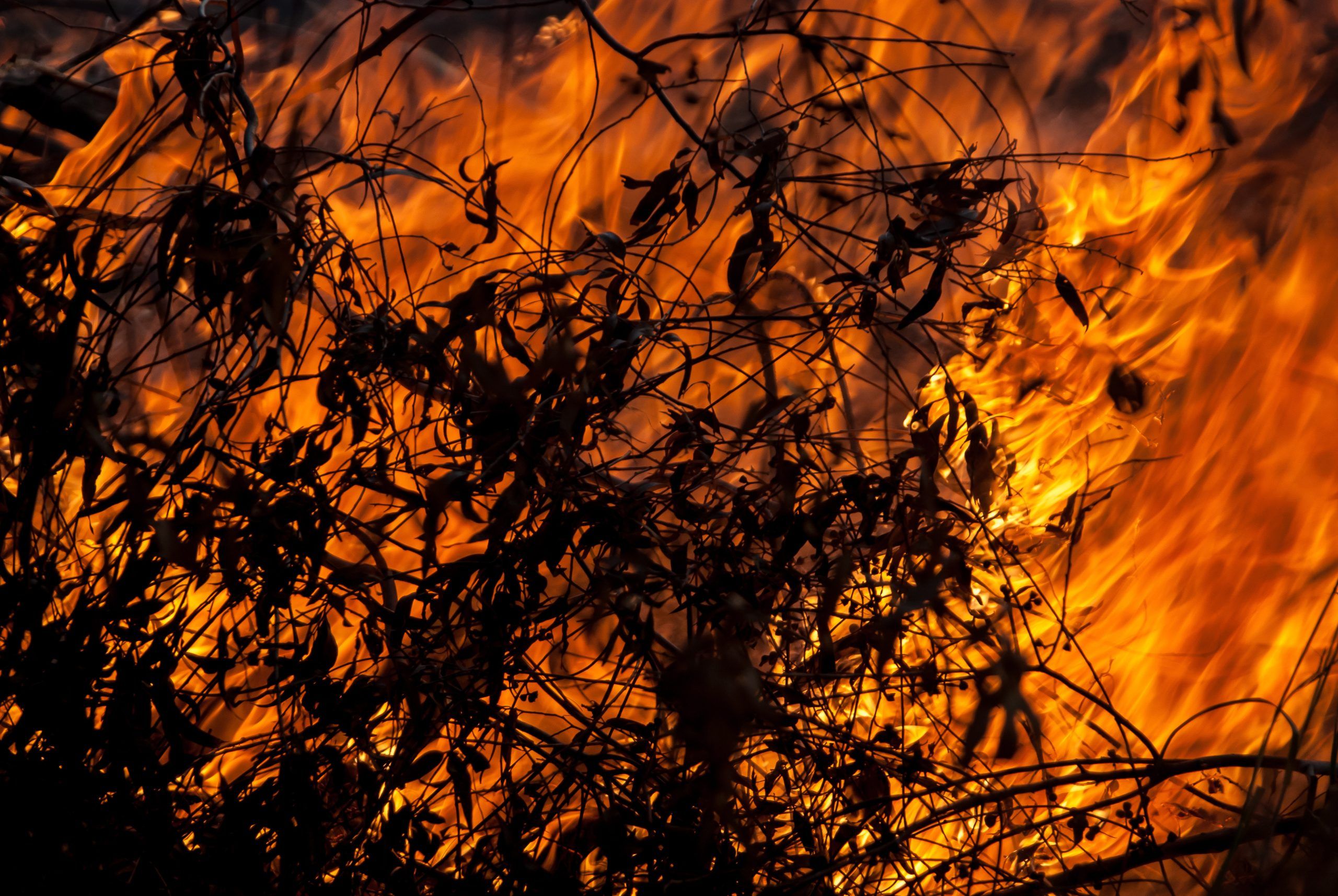
Last week Wednesday I landed at Sacramento airport in California for a long visit with a friend in Mokelumne Hill, about ninety minutes south of the state capital. On our way to Calaveras County (famous for its jumping frogs), my friend received a message from a neighbor to let her know that a wildfire had broken out nearby and the electricity had gone out. We turned the radio to the local AM station to get updates and soon decided that it’d be best to sleep at her office in nearby Valley Springs. We told ourselves that it wasn’t out of fear but comfort – it was over 90 degrees out and the office had air conditioning.
I’m an Austin Air employee so I’m based in Buffalo, New York where Austin’s operations and manufacturing are located. As you may recall from Snowvember last year: Buffalo’s known for its cold and wintery weather. Due to a mixture of common sense and my inexperience with anything that isn’t frozen, I am openly terrified of other natural disasters such as earthquakes and wildfires. Snow is arguably a softer and preferable curse. That isn’t to make light of dangerous driving conditions (especially the perils of black ice) or structural damage that heavy snowfalls can cause but on the whole, when things get their worst in Buffalo – we get through by getting cozy. Not so with wildfires.
At first my friend and I wondered if we were being divas or skittish by staying away but the next morning we learned that firefighters had alerted people in Moke Hill to evacuate at 3 a.m. Thursday. A week later the Butte Fire is still burning and the sound of helicopters can still be heard bringing water to the fire in the distance. Worse, there are more fires blazing in nearby Lake County, not to mention Idaho, Montana, Oregon, and Washington. I thought that I was unprepared for this because I’m a “foreigner” to the West Coast but it turns out that it’s somewhat new for my friend and her neighbors too.
*******
Wildfires happen every year but they don’t typically return to the same exact places annually. Are you in an area at risk for wildfires? Say, the entire Western United States and Canada? Maybe not – but there are similarities between fire preparedness and other natural disasters which should be a feast for thought. Here is a list of things that can help you be ready in the event something goes wrong in your neck of the woods (it’s our hope that you never need this advice):
Before there’s a problem – have insurance. I know that it can sometimes feel like a waste of money but in the event of a disaster, insurance is your friend. From what I’ve seen here, the heartache felt over a lost home is comforted by the fact insurance will fund rebuilding.
Once you’ve got insurance – take photos. Experts encourage people to photograph their homes to show what it looked like before a disaster.
Consider purchasing a fireproof safe to hold important documents. Regardless of whether or not you can afford one, items such as deeds, insurance information, birth certificates/passports, and tax returns should all be kept in one central location. This way if you have to evacuate for any reason, everything will be together and ready to go.
Once a problem has started – pay attention to what is happening by following the advice of authorities. It’s preferable to leave when it’s optional instead of when it’s required so if evacuation is recommended, hit the road. Most people wait until they have to leave, which results in traffic issues. It also ratchets up the stress levels to abandon your property with a fire or flood at your doorstep.
There is no doubt that it’s difficult to leave your home while it’s in peril but it’s for the best. First of all, it’s for your own safety. Secondly, it means you’ll be one less problem for the authorities. Here in Gold County, firefighters have had to repeatedly ask locals to stop pulling over to watch the blaze because it blocks their access to small country lanes. Finally, although it may feel counterintuitive, any desire to help will be more useful after the fact – not during the crisis when it should be left to trained professionals. This certainly applies to floods and other disasters as well.
If you’re in an area that is close to a wildfire but haven’t been advised to evacuate, there are steps you can take to protect your health.
- Prevent exposure to smoke as much as possible by staying indoors.
- If you do have to go outside, try to limit the amount of physical activity you do.
- Keep indoor air clean with a Certified HEPA Material and activated air purifier, like the Austin Air HealthMate Plus, and don’t use wood burning stoves, candles, or incense.
- Drink large amounts of water.
*******
Are you in an area that hasn’t been harmed during Wildfire Season 2015 and you’d like to help? Consider making donations to the American Red Cross Disaster Relief Fund.
Please, don’t let yourself to be caught off guard by the natural disasters or severe weather that could affect your specific area. Do some research to learn more about what you can do to make sure you and your family will be safe.
If you’re interested in getting an air purifier to help eliminate the smoke and other harmful airborne particulates that accompany wildfires, please call Austin Air today at 1-800-724-8403. We’re offering a special discount to people who live in the affected areas.
Have you or someone you know been affected by Wildfire Season 2015? Please share your experiences with us – we’d like to hear more.



Share:
Forest fires still a major threat
September Asthma Spike