

If you or someone you love is an asthma sufferer, you may have had a run in with the annual September Asthma Spike – the regular increase in the number of children admitted to the hospital as a result of their asthma typically occurring right around now. (The average has been listed as seventeen days after Labor Day.) There are a number of factors which contribute to this jump but if you’re prepared for it, you can mitigate the severity.
First of all, mid-September is right in the middle of ragweed season, a particularly severe and common allergen for lots of people. Allergic-rhinitis – or inflammation of the nose which results in sneezing, itching, nasal drip, and congestion – is an obstacle for an estimated 80% of asthmatic patients. Keeping an eye on your child’s allergies can be a huge help to preventing a major attack.
Unfortunately, there are a variety of other triggers which contribute to a perfect storm of asthma symptoms. The stress of heading back to school for many children can also cause their asthma symptoms to worsen.
Worse, the school environment itself has many asthma and allergy triggers that kids would not necessarily be exposed to at home. The return to the school environment isn’t an instant shock to the system but it doesn’t take too much time before it takes its toll. Cold and flu season may not be at its worse but there’s no question that children are exposed to more germs and viruses while in close quarters with other children.
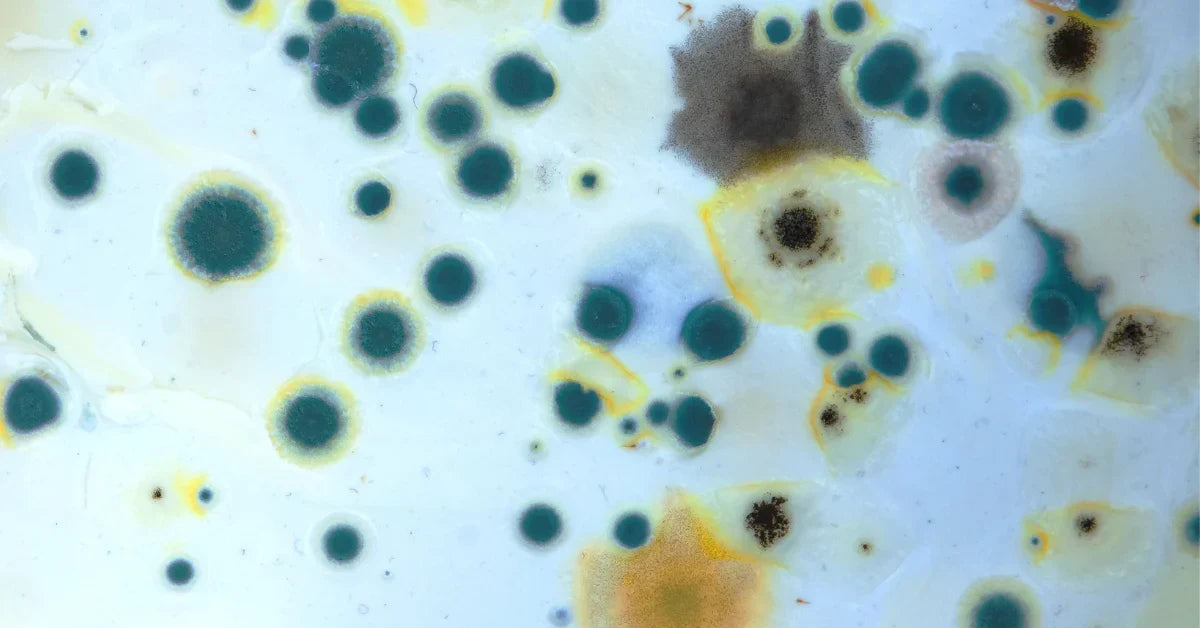
The school building itself may be detrimental as well if it is damp or has mold problems, another common asthma trigger. Carpeting of any kind is the perfect hiding place for dust and air borne allergens to linger. And unlike parents of children with allergies, teachers may not think to close windows and doors on days when pollen counts are high. Finally, the beloved classroom pets, although great fun for kids, can often cause problems for children with allergies to pet dander.
So with this in mind it is vital you have your child’s asthma or allergy plan in place now, as we head back into the school year. Pay attention to your child’s health and monitor what commonly causes attacks so you can avoid as many triggers as possible.
Be sure to talk to teachers about your child’s asthma or allergies, make them aware of the particular dangers in the school environment. It may be second nature to your child by now but it never hurts to review what to do in the event of a severe attack. Make sure all controller meds are up to date. If possible, talk to other parents and kids so that they also know what to do in case of an attack.
The best way to prepare for these conversations is to have an Asthma Action Plan to prepare your child and everyone present for an emergency. The American Lung Association has guides available for this purpose and your doctor or school nurse may also have more resources for you to explore.
Asthma can certainly be scary but it’s also manageable. By being aware of what’s potentially on the horizon, we hope you can avoid it. Here at Austin Air we hope you have an incident-free September. Remember, relief from asthma and allergy symptoms may come in the form of having an air purifier in your bedroom. Any of the air purifiers made by Austin Air will help reduce exposure to the airborne pathogens contributing to asthma attacks and allergies.


Share:
Wildfires Are Ablaze – Are You Prepared for a Disaster?
Tobacco Cessation: Help From Insurance Companies Is on the Way