

When it comes to indoor air quality, we’ve spent the last few years focused on viral transmission. And rightly so. But have we lost focus on another important aspect?
The reality is, even if we never see another case of covid-19 again, the air inside school buildings is still making kids sick.
According to Dr. Anne Marie Fine, NMD, FAAEM (Naturopathic doctor, best-selling author, award-winning researcher, and educator), “The number one thing impacting the health of teenagers and children, I believe, is indoor air because indoor air is many times more toxic than outdoor air.”
This is especially true in schools.
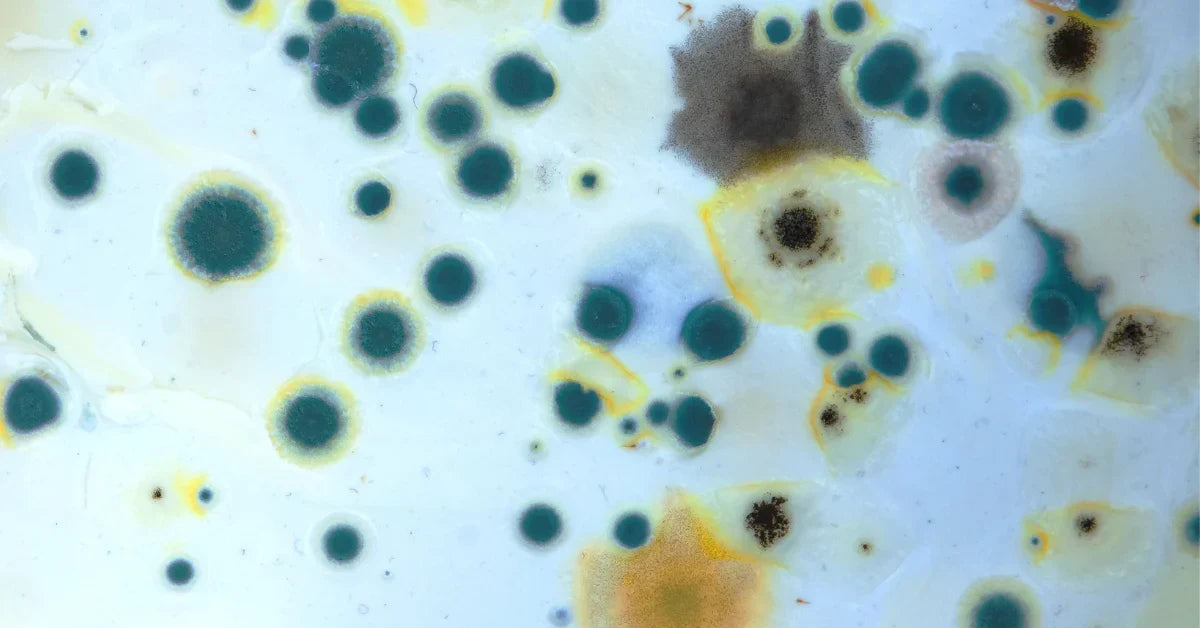
- The air in older schools is impacted by decaying building materials, dated HVAC systems, mold growth, and remnants of banned substances such as PCBs and lead paint.
- The air in newer schools is impacted by new materials such as treated wood, flooring, metals, and even furniture – all off-gassing chemicals such as formaldehyde, benzenes, and phthalates for years to come.
- The air in all schools is impacted by emissions that seep indoors from school buses, delivery trucks, and other vehicles.
“There was a really interesting study in the Journal of Environmental Health Perspectives,” Dr. Fine explained, “and it talked about the neurocognitive problems in young children who are exposed to pollution. In this particular study, all they looked at were kids who were autistic and how far away they lived from the nearest freeway. And they found… living less than 300 meters from a freeway doubled the risk of developing autism.”
Other outdoor pollutants seep into school buildings, too, from smog, factory emissions, wildfire smoke, and pesticides.
Dr. Fine added, “They’ve done studies in Los Angeles, which is polluted, and they’ve looked at even the most polluted parts of LA. They’ve tested the outdoor air and they’ve tested the indoor air, and the indoor air always turns out to be more polluted than the outdoor air.”
There are also pollutants that are regularly used inside the building, such as harsh cleaners, glues, and off-gassing electronics, paper, and plastics. All this creates a toxic mix of indoor air pollution that is impacting students’ learning, mood, behavior, hormones – it’s even stealing IQ points from young, developing brains.
“We’re finding with many different chemicals, including phthalates and BPA, that they cause neurodevelopmental effects in children,” Dr. Fine explains. “And sometimes they are taking IQ points from our children. Certain studies looking at pesticides have found that they knock off six to seven IQ points in our children. If you want to add in the two IQ points lost for air pollution and another six for the phthalates. I mean we are harming our children’s potential intellect and their ability to make a living and be a part of a functioning society. And this is why I’m so passionate about environmental health. I mean we are literally poisoning not just ourselves as adults… but our children and our babies. That needs to be addressed.”
Dr. Fine added, “The rates of learning disabilities have skyrocketed and there are just all these kids needing additional resources. It’s kind of weird to me that people aren’t saying ‘Hey what’s causing it? What’s going on? They’re just kind of accepting it.”
Not us. We aren’t accepting it. For more than 30 years, Austin Air has been working to provide cleaner, safer air for children at home and at school – with true medical-grade Certified HEPA Material and activated carbon technology. We’ve partnered with industry experts, like Dr. Fine. We’ve conducted clinical trials on our products. And we’ve invested in education initiatives to help people understand where indoor air pollution comes from and how to get rid of it.
“When I started practicing medicine 20 years ago, I would think… ‘oh you have asthma… COPD… you should have an air filter.’ Now I feel like everybody should have an air filter… You don’t have to already have the obvious health conditions. I feel like everybody needs to have an air filter because indoor air is just not clean.”


Share:
The Unseen Damage Hiding in Flooded Areas
Breast Cancer and Air Pollution — Is There a Link?