
Preventing Mildew, Mold, and Mycotoxins
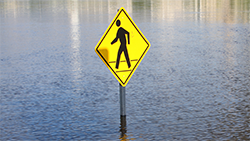
This week, 2.5 million people in Florida were placed under mandatory evacuation orders as Tropical Storm Ian ripped through the state, leaving a path of major destruction in its wake. In fact, the National Hurricane Center called it “catastrophic flooding.”
The New York Times quoted Governor Ron DeSantis saying, “The damage that was done has been historic… We’ve never seen a flood event like this. We’ve never seen a storm surge of this magnitude.”
According to Forbes, DeSantis likened the damages to “a 500-year flood event.”
Damage Seen and Unseen
Many are returning to their homes to find cataclysmic damage as far as the eye can see. But as people begin to clean up, it’s also important to consider what they cannot yet see.
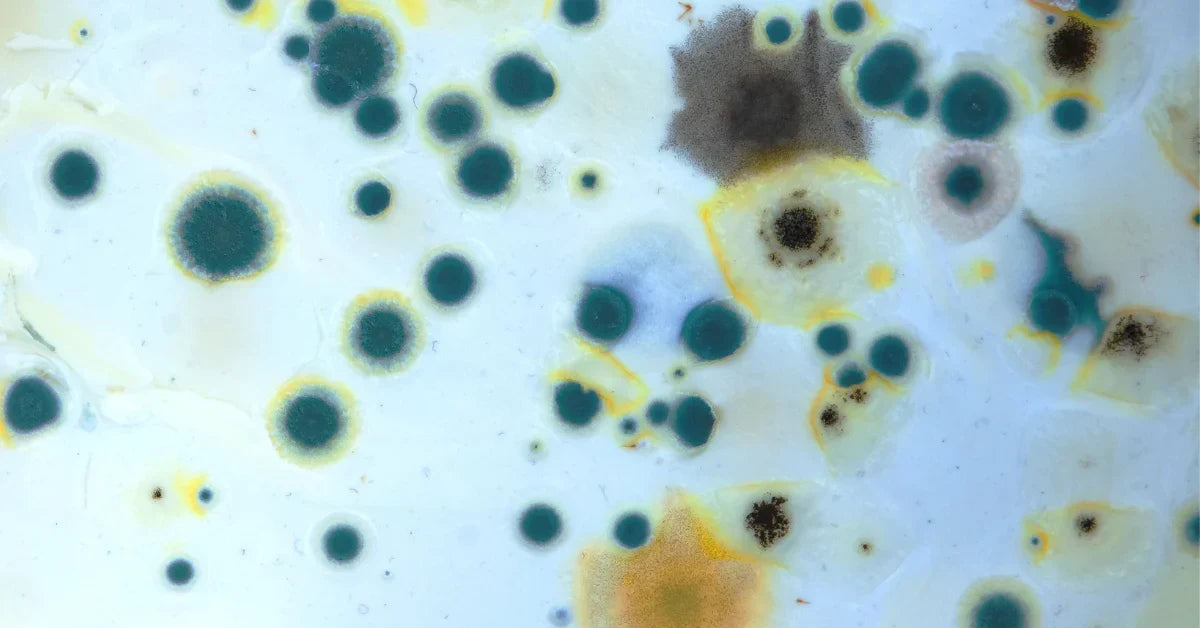
According to the EPA and the CDC, mildew and mold can develop within 24-48 hours of water exposure. And it will continue to grow until you get rid of the water/moisture and effectively remediate. That’s a problem because a “clean-up” of this magnitude takes time. In fact, according to DeSantis, it could be a years-long effort. But mold spores can colonize in as little as 3 to 12 days – even though mold usually isn’t visible to the naked eye until 18-21 days after exposure.
This poses a huge human health risk as mold can produce toxic chemicals known as mycotoxins, which can travel through the air and be inhaled. Some people might begin to experience symptoms such as stuffy nose, postnasal drip, and itchy eyes or skin. Others might experience more serious reactions such as wheezing, fever, and shortness of breath.
Still, others might have more severe reactions to long-term exposure. It’s been said that more than 25% of the population is a carrier of what’s known as the HLA-DR gene. This gene makes proteins called human leukocyte antigens (HLA).
Human Leukocyte Antigen (HLA) is a marker that the immune system uses to differentiate which cells belong to the body and which cells are foreign or dangerous to the body. When an antigen is presented correctly, the immune system properly identifies foreign invaders (such as mycotoxins from mold) and then removes them. But the HLA-DR gene prevents the immune system from properly identifying mycotoxins as invaders. So, the immune system doesn’t make the antibodies needed to remove them.
If they’re not removed, these toxins can accumulate in the body and contribute to illnesses such as Chronic Inflammatory Response Syndrome (CIRS) and Mast Cell Activation Syndrome (MCAS). Not only that, mycotoxins can also affect the nervous system, endocrine system, digestive system, cardiovascular system, and respiratory system.
Worse yet, these mycotoxins are often stored in “fatty” areas such as the brain. And because no antibodies are produced, mold illness can go undiagnosed for weeks, years, or even a lifetime.
Clean Up Recommendations
FEMA recommends using a Wet-Dry shop vacuum to remove water and clean items such as studs or exposed wood framing. FEMA also says to wash hard surface items such as metal, glass, solid wood, and plastic materials with a non-ammonia detergent and hot water in a well-ventilated area.
When considering which household items to keep and which to throw out, be especially cautious with porous items such as upholstered furniture, rugs, bedding, clothing, curtains, books, and furniture made of pressed particle board. This is especially important if the items in question have been wet for longer than 48 hours. (Remember it only takes a day or two for mildew and mold to develop.)
It’s also important to include air cleaning in the overall “clean up” effort. Remember, mold can produce toxic chemicals known as mycotoxins, which can travel through the air and be inhaled. But be forewarned: not all air cleaners are created equal.
When it comes to mold, some people turn to ozone generators or air purifiers that use ionization or UV lights, because – rumor has it – ozone kills mold. BUT ozone is widely known to be extremely harmful to human health.
So why introduce one health hazard to prevent another?
Instead, consider the Austin Air Healthmate which uses a combination of Certified HEPA Material and activated carbon filtration technology. The medical-grade Certified HEPA Material will effectively remove mold spores from the air. And because of its adsorbent properties, activated carbon can trap mycotoxins. The Healthmate also uses zeolite which is often hailed as a mycotoxin binder.
To all those impacted by the storm this week, stay safe and know that we’re thinking about you.


Share:
Austin Partners with the Indianapolis Colts
What If Covid-19 Disappeared Forever?