
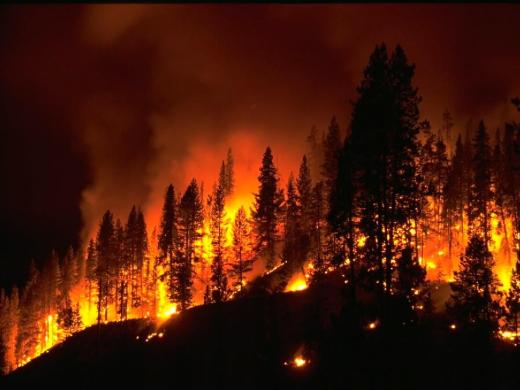
This latest fire in California is by far the most destructive and deadly the state has ever seen. Over the last 12 months, this new wave of ‘super fires’ seems to be occurring more and more. What is happening? Why is the situation spiraling further out of control?
There are a few factors at play as we head into this new era of ‘super-fires’.
The first and most obvious reason is climate change. Normally, by this time of year, California has seen some rain. But climate change means temperatures have remained high, with very little rain for many months. California typically experiences strong offshore winds at this time of year too, further accelerating the fires.
Second, the way we manage our forests has changed. Historically there were lots of smaller, controlled fires that helped to stop areas becoming overgrown. In more recent years, these smaller fires are stopped almost immediately. The result is huge areas of land that are overgrown with trees and vegetation. When this land catches fire, it takes the size and the intensity of the wildfire to another level.
Thirdly, wildfires are becoming more dangerous and destructive, as areas that were previously wild and uninhabited, are now populated by people. Not only does this increase the number of people directly affected by the fires – but houses and their contents are perfect fuel for a fire, further exacerbating the problem.
So what can be done? Sadly the effects of climate change are irreversible. Dryer, hotter conditions are here to stay. But there are ways we can work to avoid a repeat of this year’s forest fires.
Housing and development needs to be smarter. Affordable housing needs to be made available to people in areas that are risk free. Furthermore, there should be restrictions on new developments in areas that are prone to fire.
The way that forests are currently managed needs to change. Huge areas of untouched kindling needs to go. Whether it’s by mechanical thinning or smaller, controlled fires, our forests need to be cleared. So that if a fire does start, it will not burn with the intensity we have seen over the last few weeks.
Evacuation plans need to be improved. According to some news reports, the evacuation process in Paradise was total chaos, with many residents saying they received no warning from the authorities.
The task ahead for California will be costly and incredibly challenging. But as the death toll continues to rise, there is little choice.



Share:
California suffers its most destructive forest fire
Ozone exposure linked to brain bleed