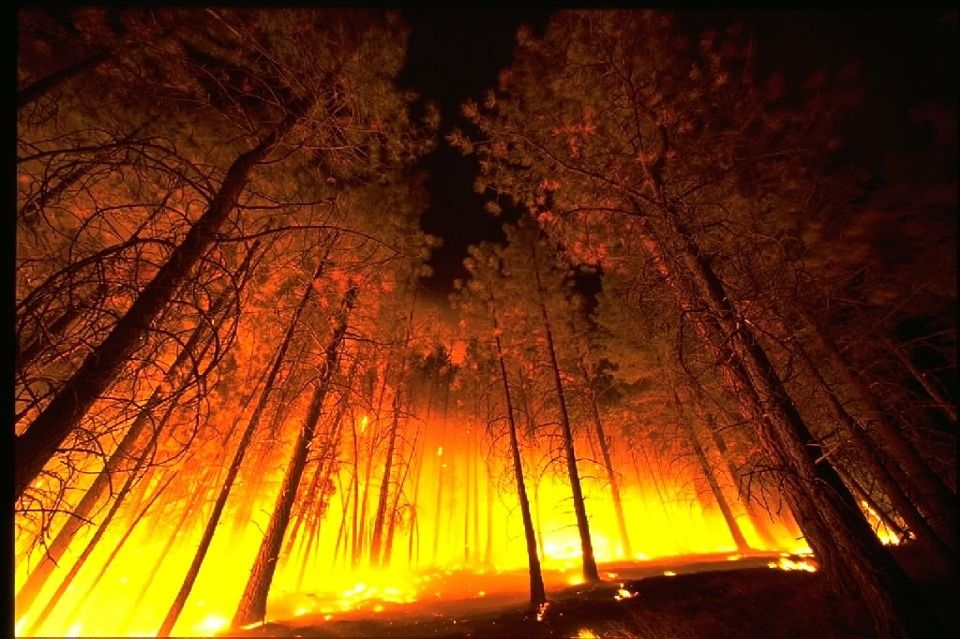
As fires continue to burn across California this week, it is clear this is the most destructive forest fire the state has ever seen. So far 50 people have lost their lives, local wildlife has perished, hundreds of thousands of acres have burned and more than 9,000 structures have been destroyed, many of them homes.
Plumes of thick smoke can be seen from many miles away. The cost to the community and the environment is staggering. Fire destroys everything in its path. As a result, plastics, chemicals, metals, paint, gases and fuels emit huge amounts of toxins into the air. These toxins include formaldehydes, carbon monoxide, carbon dioxide, nitrogen oxide and VOC’s. Burning wood from trees produces particulate matter, which when inhaled causes severe respiratory problems.
Exposure to smoke can cause chest pain, difficulty breathing, elevated heart rate, wheezing, coughing, headaches, sore throat and fatigue. Those most at risk are the very old, the very young and people with ongoing respiratory problems and heart disease.
If you live in an area affected by the fires, stay indoors with the windows and doors closed. Try to avoid using anything that may contribute to indoor air pollution, such as candles or wood and gas stoves. If you have to venture outside, wear a mask that uses a filtering respirator to protect yourself from the smoke. And when you return home, be sure to change your clothes.
In the coming weeks, the California fires will be contained and the smoke will clear. The air may seem safe again but this is not always the case. Pollutants can hang around long after the fires have gone. For up to date information on air quality according to your postcode, visit the EPA website at airnow.gov.
Climate change means wildfire season is lasting much longer. Bigger, faster, hotter fires are becoming the new norm. This will have a huge impact on air quality for many parts of the country. If you are concerned about air quality in your home, you may want to consider investing in an air purifier. Our HealthMate Plus® is designed specifically to help people living in highly contaminated environments. It removes a wide range of gases, chemicals, VOC’s and formaldehyde. This broad-spectrum adsorption makes it the best choice for people exposed to smoke from wildfires. For more information on the Austin Air HealthMate Plus® visit our shop page HERE.


Share:
What we eat can help improve COPD
Super fires. Is this the new norm?