
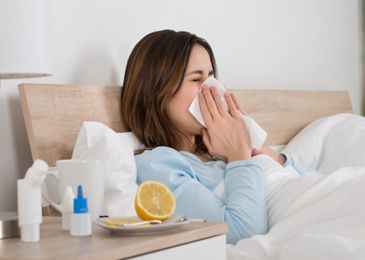
For most of 2020 we have been focused on Covid-19 and what we need to do to protect ourselves. But it’s worth remembering that, at this time of year, the cold and flu viruses are also making the rounds. Although they may not be as deadly as Covid-19, they are not without risk, particularly for the elderly and anyone with ongoing respiratory issues.
So, with that in mind, we take a look at a few ways you can help protect yourself and stay healthy this winter.
Get your flu shot
Without doubt, one of the best things you can do to stay well this winter is to get your flu shot. Although it can’t offer 100% protection the way other vaccines can, it will help to minimize risk. The ideal time to get your flu vaccine is September or October, before the start of the flu season. But even if you’re only just getting your jab now, you’ll still be protected from any late flu outbreaks.
A good night’s sleep is vital
Get plenty of sleep. It sounds easy enough, but according to a survey from the CDC, around 35% of Americans are not getting the sleep they need. Sleep is vital if we are to stay healthy. It helps to boost our immune system and enables us to function at our best physically and emotionally. Missing out on sleep can affect our health in various ways, including heart disease, kidney disease, high blood pressure, diabetes, strokes and obesity.
But don’t despair, if you’re struggling to get a good night’s sleep, there are a few things you can do to help yourself. Try to go to bed and get up at the same time every day, even on weekends! Create a healthy nighttime routine by taking a bath or reading a book to help you unwind. Try not to eat too late and avoid caffeine and alcohol. Avoid screens at least one hour before bedtime. Make sure your bed and bedding are comfortable and keep your bedroom dark and cool, ideally around 65 degrees.
Manage your stress
We all feel stressed from time to time, it’s an unavoidable aspect of modern living. But feeling stressed for long periods of time can have a huge impact on our physical and mental wellbeing. When we’re stressed our bodies produce the hormone Cortisol. In short bursts, Cortisol helps us respond to stress or danger. However, if we produce too much for too long, it can leave us more vulnerable to infection.
If you’re feeling stressed on a regular basis, try to take some time out. Yoga, light exercise, meditation and breathing techniques can all help to reduce stress levels. Try to work out what causes your stress and take steps to change it. And if you’re still struggling, discuss your problems with your doctor.
Lessons learned from Covid-19
If we have learned anything over the past few months, it’s how to slow the spread of Covid-19. Washing our hands, maintaining a distance and wearing a mask will all help to reduce our chances of catching Covid-19. But those same rules apply to other airborne viruses too, including colds and flu.
Keep an eye on your air quality
If you are spending time indoors with others, even if they’re not showing any symptoms, keep the space well ventilated. This helps to reduce the number of viral particles hanging around in the air, therefore lowering your risk of infection.
We can help protect you this winter
You may want to consider investing in an air purifier this winter. The Austin Air HealthMate™ uses Medical Grade Certified HEPA Material, to effectively remove up to 99% of virus* particles when they are airborne. And although an air purifier cannot offer 100% protection against viruses such as influenza and Covid-19, it can offer an extra layer of protection and help to reduce risk.
If you’d like more info on our air purifiers and what they can do for you, please send us a mail to info@austinair.com One of the team will be happy to help.
*Covid-19 is a new strain of virus that as yet, remains untested. However, the Medical Grade Certified HEPA Material technology used in our filters is proven to remove up to 99% of all airborne contaminants as small as 0.1 microns.


Share:
Open fires this winter… romance or risk?
Another terrible year for wildfires