
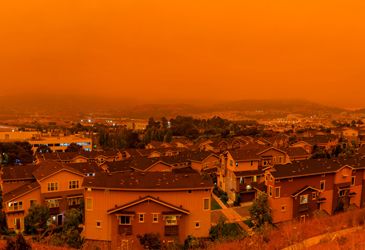
Back in April we predicted a difficult 2020 wildfire season, and as we come to the end of the year, our predictions have sadly come true.
The arrival of Covid-19 halted all prescribed burns, many community ‘Wildfire Awareness’ meetings were cancelled and other forest management activities, such as bush clearances, were very difficult to manage.
Add to this the effects of global warming and we have one of the worst wildfire seasons America has ever seen.
California residents still under threat
And it’s not over yet. Just last week, the National Weather Service’s Storm Prediction Center ranked a residential area in California, home to around 5 million people, as critical. Not only were those people celebrating Thanksgiving with the shadow of Covid-19 hanging over them, they also had the added worry of power cuts and wildfires to contend with.
This comes after months of battling thousands of fires. In California alone, over 4 million acres of land has been burnt, that’s more than double the previous year. Over 10,000 structures have been destroyed and 31 people have sadly lost their lives.
Thousands of excess deaths linked to smoke from wildfires
But it doesn’t stop there. According to researchers from Stanford University, pollution levels caused between 1,200 and 3,000 Californians to die prematurely this year. This is particularly devastating when we consider how local government has made great strides in recent years to improve air quality for residents.
The dangers of wildfire smoke
Fumes from manmade materials such as paint and plastics, as well as particles from wood and vegetation means smoke from wildfires is particularly toxic. Once inhaled, the smallest smoke particles can pass through the lining of the lungs, where they enter the blood stream, this gives them access to all parts of the body. Exposure to smoke from wildfires has been linked to an increase in heart attacks and strokes. It can also cause breathing difficulties and is particularly dangerous for people with asthma and other lung diseases.
Take control of the air quality in your home
If you live in an area affected by wildfires, there is little you can do to control the quality of the air outdoors. But you can control the quality of the air you breathe inside your home, with the Austin Air HealthMate Plus™. Its unique carbon blend is designed to effectively remove the chemicals that are created when wildfires burn.
Running an Austin in your home will ensure the air is clean and fresh, even when the skies are full of smoke. If you’d like to learn more about the Austin Air HealthMate Plus™ and what it can do to keep you and your family safe during wildfire season, take a look here.


Share:
Protect yourself from colds and flu this winter
Don’t let indoor allergens take the fun out of your Christmas