
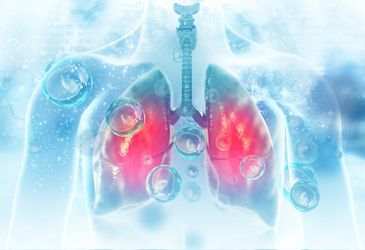
This month is COPD awareness month. It’s an opportunity to raise awareness about a disease that affects around 6% of Americans and is the third leading cause of death by disease in the US today.
What is COPD?
COPD is an inflammatory respiratory disease that causes reduced air flow in the lungs. Many people with COPD experience symptoms such as difficulty breathing, a persistent cough and wheezing. There is no cure for COPD and although it may start gradually, over time, symptoms will inevitably worsen.
Who’s at risk?
The leading cause of COPD is smoking, accounting for around 80% of COPD deaths. Even secondhand smoke can increase a person’s chances of developing the disease. Other risk factors include long term exposure to air pollution and chemical fumes, perhaps from a workplace. Asthmatics are also at increased risk. And for a small percentage of people, genetics can play a part in the onset of the disease.
COPD and Covid-19
In today’s world, we can’t talk about any type of lung disease without also discussing Covid-19. And although people with COPD are not at increased risk of contracting the virus, the chances of suffering from the more serious symptoms of Covid-19 are greatly elevated for people with COPD.
What to look out for
Typical Covid-19 symptoms include shortness of breath and a persistent cough. If you have COPD, you may already have these symptoms. However, if you also have a fever, a loss of taste or smell, muscular pain, a headache or sore throat, you should seek medical advice.
Why air quality matters
People with COPD are more likely to be sensitive to airborne pollutants. Allergens such as dust and dander cause inflammation in the lungs, and the chemicals and VOC’s often present in our homes can also aggravate symptoms. Here are a few pointers to help keep your home environment safe.
- Try to avoid carpets and rugs that can easily trap dust and dander, particularly in the bedroom.
- Clear away the clutter, this helps to keep dust levels down and also makes cleaning much easier.
- Change bedding often, vacuum your mattress and if possible, regularly wash your pillows on a hot cycle.
- If you have pets, wash and groom them as often as you can, this helps to reduce dander and keeps allergens to a minimum. And if you have any type of respiratory problem, it is always advisable to keep pets out of the bedroom.
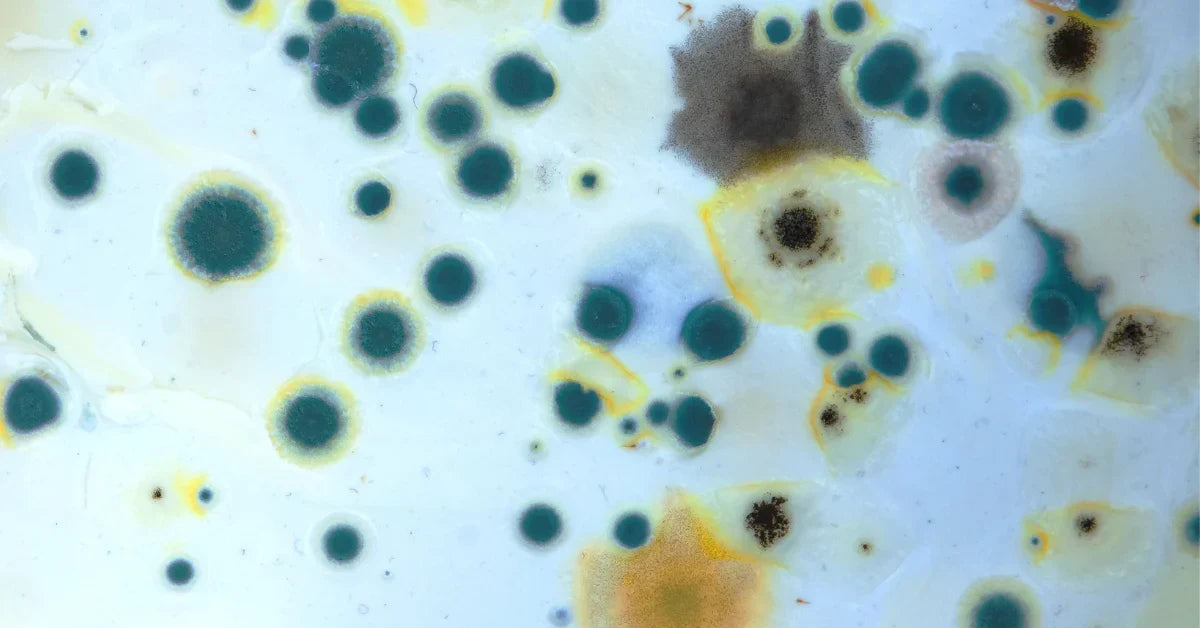
- Watch out for mold, particularly in high risk areas such as bathrooms and basements.
Austin Air and COPD
Using a combination of Medical Grade Certified HEPA Material and Impregnated Carbon, the Austin Air HealthMate Plus Air Purifier removes chemicals and VOC’s as well as up to 99.97% of allergens such as dust, dander and mold. Improve the air quality in your home, so that you can effectively manage your COPD symptoms and live your life to the fullest.
If you’d like to learn more about the Austin Air HealthMate Plus and what it can do to help you, click here.


Share:
Air filtration, what’s real and what’s not
It’s not just Covid we need to watch out for this Thanksgiving!