
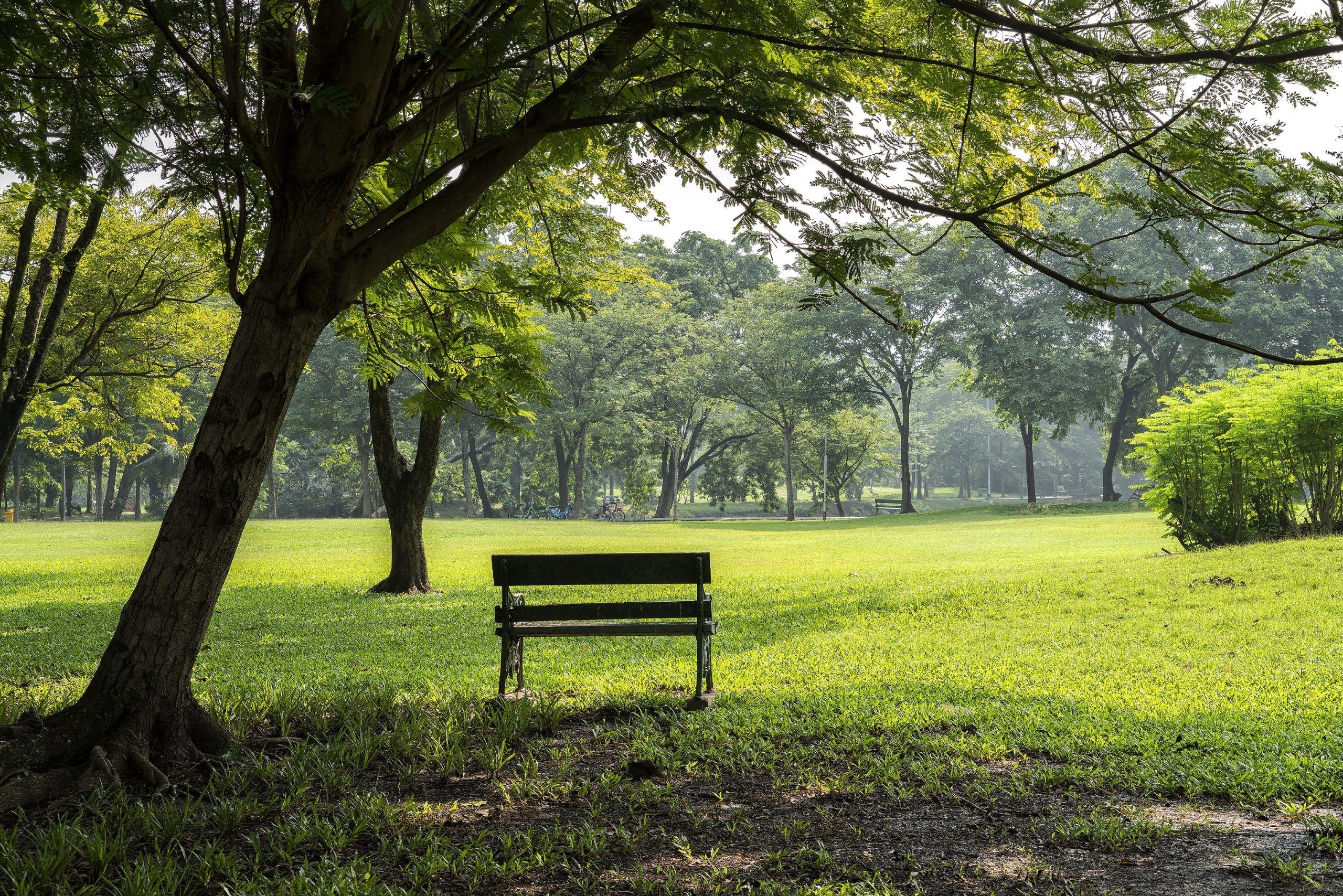
They may be just around the corner

It sounds like something from a futuristic movie but according to scientists from Spain, hypo-allergenic parks may not be that far off.
The Spanish team examined trees growing in ten of Granada’s green spaces, to understand the extent to which the trees contributed to peoples allergies. The trees were then categorized according to certain characteristics. This included the length of time the trees were in pollination. The type of pollination was also determined, as some trees are pollenated when the wind blows and some are pollenated with the help of insects and birds. The trees were also measured to determine how allergenic they were.

Until now no consideration has been given to allergy sufferers when designing green spaces in our cities. So it was no surprise to find that the most commonly planted trees are those that are most likely to cause allergies.

The team is hoping that by categorizing trees in this way, to make it clear which trees will cause problems, they can help future developers decide what trees to plant. The result could be hypo-allergenic green spaces that keep allergies to a minimum.

Imagine being able to enjoy time outside at the height of allergy season, without the drag of suffering a stuffy nose or constant coughing and sneezing.

If you suffer from allergies, you know it is not always easy to avoid the triggers, particularly when trees, grasses and plants are in flower and pollenating. However, regardless of what is happening outside, you can ensure the air in your home is allergen free. Consider investing in any of the Austin Air purifiers for your home, removing allergens, chemicals and gases from the air, it gives allergy sufferers the much needed relief they need.

Leave a comment

Please note, comments need to be approved before they are published.

This site is protected by hCaptcha and the hCaptcha Privacy Policy and Terms of Service apply.

Latest Stories

View all

Your Back-to-School Respiratory Reset: Get Ahead of Cold and Flu Season

Your Back-to-School Respiratory Reset: Get Ahead of Cold and Flu Season

School season is on its way in full swing; You have a head start, so use it. Cold and flu season in North America usually builds through the fall and peaks between December and February—which makes late summer the ideal time to build resilience, not scramble for it.¹ Your defenses aren't fixed. Sleep, food, movement, and the air you breathe measurably change how easily you catch—and shake off—respiratory bugs. There are five factors you can control starting today: Detox your home's air, protect sleep, feed the immune system, move every day, and switch to safer cleaners. It's simple and family-friendly. No doctor's appointment or big budget required. Most of it you can do with your kids this week. Cleaner indoor air ties it together. It's the backdrop to everything else—and where the free Parent-Teacher Toolkit and the 8-phase Immunity Machine come in.


Read moreabout Your Back-to-School Respiratory Reset: Get Ahead of Cold and Flu Season

New CDC Mold Data (2026): What It Really Means

New CDC Mold Data (2026): What It Really Means

The first CDC study to measure invasive mold disease—who’s actually at risk, and what it means for the air in your home. In late July 2026, the CDC published the first systematic estimate of how often invasive mold disease occurs in American hospitals. Researchers reviewed 968 possible cases at four Atlanta-area hospitals between 2020 and 2024 and confirmed nearly 450 of them as invasive mold disease. This disease is a serious infection in which mold moves from the airways into the lungs, sinuses, skin, or bloodstream, . ¹

Read moreabout New CDC Mold Data (2026): What It Really Means

The Travesty No One Is Reporting: Schools Are Throwing Away the Air Purifiers Our Kids Still Need

The Travesty No One Is Reporting: Schools Are Throwing Away the Air Purifiers Our Kids Still Need

Five or six years ago, putting air purifiers in classrooms was front-page news. Today those same machines are being sold on eBay, stacked in storage sheds, and left at the curb for the garbage truck—while asthmatic children sit in the very rooms they were bought to protect. Here is why every parent and teacher should be paying attention.

Read moreabout The Travesty No One Is Reporting: Schools Are Throwing Away the Air Purifiers Our Kids Still Need