
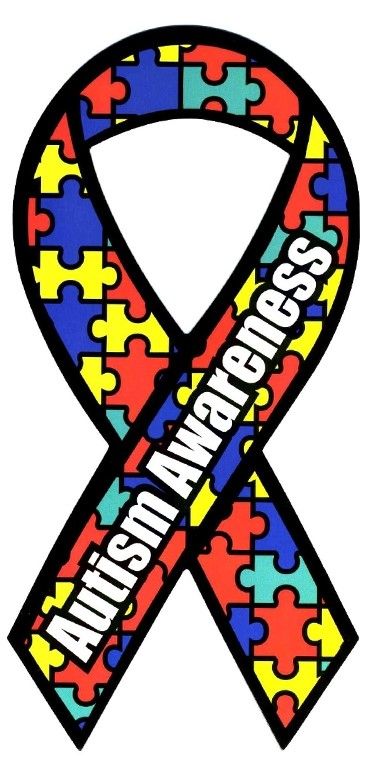
This month is World Autism Month. Hosted by Autism Speaks, the aim is to increase understanding and acceptance of the condition. For people with Autism Spectrum Disorder (ASD) there isn’t one set pattern of behaviour but rather a broad range of character traits. As people, we are all different and the same applies to people with Autism.
People with Autism often struggle with social situations. They may show signs of repetitive behaviour. They may have difficulty with speech or non-verbal communication. They may suffer from depression and anxiety. They can also be hypersensitive to sounds, taste and light. Some people show mild symptoms, others more severe. Some people with Autism can live independently, others need more support.
Often people with Autism have an aptitude for certain tasks. For example they may be very adept at recognising patterns, show incredible attention to detail or have an extremely high level of focus and persistence. All, if used in the right setting, can be hugely beneficial in day to day life.
Early diagnosis and intervention is crucial for people with Autism and their families. Although there is no ‘cure’, with the right support, many children with Autism benefit from mainstream education and continue on into adulthood, enjoying fulfilling and happy lives.
Over the last 30 years, there have been huge advances in our understanding of the condition. But there is still a lot to learn, particularly around the causes of Autism. Vaccines were thought to increase risk. However in recent years these theories have been completely disproved. Genetics also has a role to play. Parents pass on certain genes to their children, even though the parents show no signs of Autism themselves. Environmental factors, such as older parents, premature birth and multiple births can also play a part.
More recently there is growing evidence to suggest that a mother’s exposure to air pollution when pregnant can also increase risk. Exposure to air pollution affects our brain chemistry. This can lead to oxidative stress and inflammation. It is this change in the brain that has been linked to Autism and other neurological conditions such as Alzheimer’s, Schizophrenia and Parkinson’s disease.
The number of children diagnosed with Autism has risen significantly in recent years, 47% since 2012. Our genes don’t change that dramatically in just a few years. Could it be that a polluted environment is to blame?
For more info on Autism and what you can do to help raise awareness this month, follow this link to Autism Speaks.


Share:
Air pollution causing psychosis in teenagers
Asthma, an unnecessary threat