Updated: Tuesday, June 3, 2025 at 2 PM (EST)
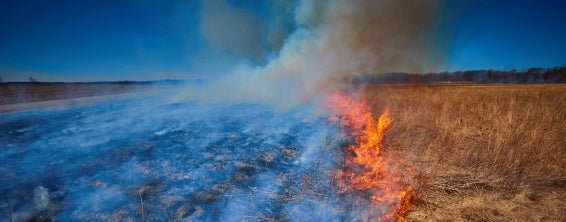
Smoke from extensive wildfires in Canada—especially in Manitoba, Saskatchewan, and Alberta—continues to drift southward, combining with regional fires in Minnesota, creating dangerous air quality conditions across parts of the Upper Midwest and Canadian Prairies.
Many areas are now experiencing “Unhealthy” (Red) to “Very Unhealthy” (Purple) AQI levels, prompting widespread air quality alerts and public health warnings.

🌫️ Areas Currently Experiencing Poor Air Quality (June 3)
United States
Minnesota
🟣 Very Unhealthy (AQI 201–300): Minneapolis metro area, Lakeville, Ramsey, Faribault
🔴 Unhealthy (AQI 151–200): Rochester, Duluth, Willmar, Saint Cloud
🔴 Statewide Air Quality Alert due to both local and Canadian wildfire smoke
Wisconsin
🔴 Unhealthy: Northwestern counties including Saint Croix Reservation, Cumberland, Rice Lake, and Ashland
Iowa
🔴 Unhealthy: Northern Iowa including Spencer, Storm Lake, Estherville
North Dakota
🔴 Unhealthy: Fargo, Grand Forks
Illinois
🟠 Moderate to Unhealthy for Sensitive Groups: Rockford, Northern suburbs of Chicago
Michigan
🟠 Moderate to Unhealthy for Sensitive Groups: Upper Peninsula, Sault Ste. Marie
Nebraska
🟠 Smoke drifting southeast: Omaha and Lincoln seeing hazy skies and slight AQI degradation
Ohio
🟠 Air Quality Concerns Continue: Northern counties including Toledo, Sandusky
CANADA
Manitoba
🔴 Unhealthy: Winnipeg, Flin Flon, The Pas
Saskatchewan
🔴 Unhealthy: Regina, Swift Current, Saskatoon
Alberta
🔴 Unhealthy to Very Unhealthy: Fort McKay, Fort McMurray, Peace River
Ontario (Northwestern regions)
🟠 Moderate to Unhealthy for Sensitive Groups: Kenora, Thunder Bay
⏭️ Areas Expected to See Deteriorating Air Quality (Later Today & June 4):
Eastern Minnesota: Persistent smoke expected over Twin Cities and into southeast MN
Southwestern Wisconsin: AQI may worsen as winds shift
Central Iowa: Smoke transport likely toward Des Moines and Ames
Southern Manitoba and Eastern Saskatchewan: Further smoke buildup anticipated with wind stagnation

⚠️ Health Recommendations:
- Stay Indoors: Close windows and doors; run air conditioning on recirculate mode.
- Use Medical-Grade Air Purifiers: Devices like the Austin Air HealthMate Plus or HealthMate Plus Junior can significantly reduce indoor particulate and chemical exposure.
- Wear Protective Masks: N95 or P100 masks provide critical protection from fine particulates.
- Check on High-Risk Individuals: Children, seniors, pregnant people, and those with asthma, COPD, or heart disease are especially vulnerable.
🧠 Why It Matters:
Even healthy individuals may experience breathing difficulty, headaches, or fatigue when AQI reaches red or purple levels. For vulnerable populations, the risks can be severe, including asthma attacks, cardiovascular stress, and hospitalization.
🔎 Stay Informed:
- Live AQI Map: AirNow.gov
- State Health Department Alerts
- National Weather Service (NWS) & Environment Canada bulletins
🛡️ Austin Air: Clean Air When It Matters Most
At Austin Air, we remain committed to protecting your indoor environment with science-backed, medical-grade filtration systems. Our purifiers are used in schools, hospitals, and homes across North America—and especially when wildfire smoke threatens the air we breathe.
That’s the impact of Austin.
Last updated March 6, 2026


Share:
Air Quality Alert in Midwest Due to Canadian Wildfires
ONGOING AIR QUALITY ALERT: Canadian Wildfires