Smoke from over 160 out-of-control wildfires in Canada is drifting into the Upper Midwest, triggering air quality alerts across Michigan and surrounding states. Residents are urged to limit outdoor activity and take precautions to protect their health.
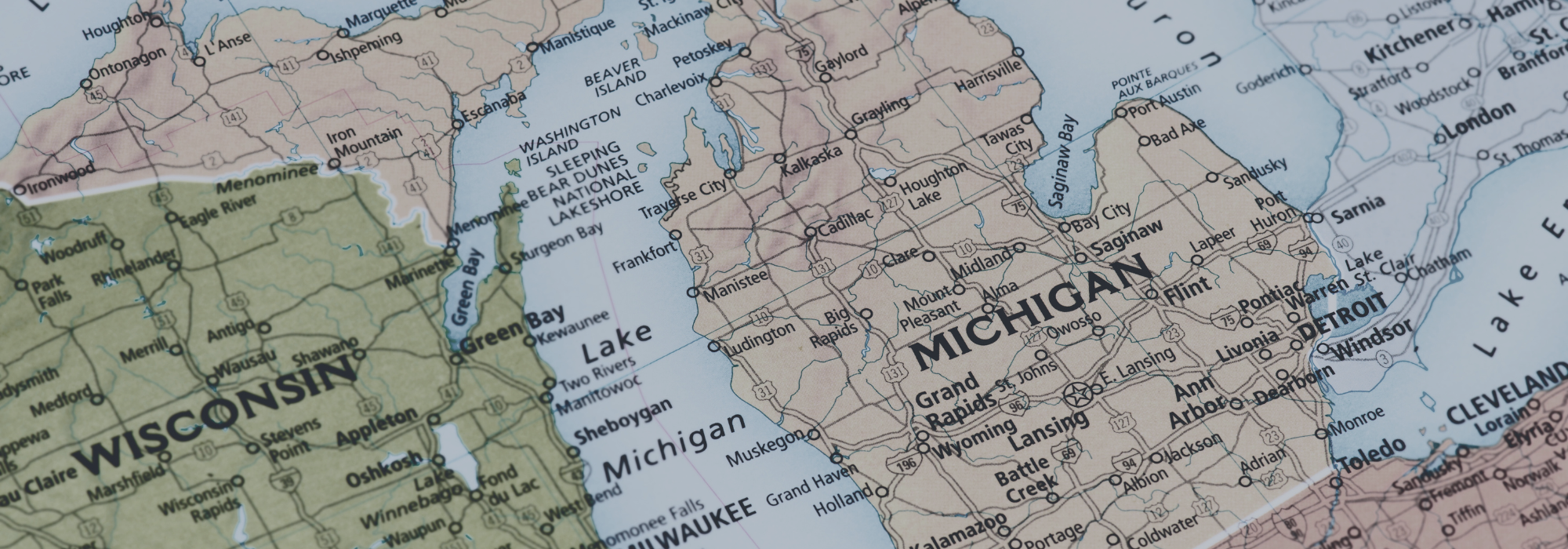
As of Friday, May 30, 2025, the Michigan Department of Environment, Great Lakes, and Energy (EGLE) has issued an air quality advisory effective through 6 a.m. Saturday, May 31. This advisory encompasses numerous counties, including Midland, Bay, Huron, Saginaw, Tuscola, Sanilac, Shiawassee, Genesee, Lapeer, St. Clair, Livingston, Oakland, Macomb, Washtenaw, Wayne, Lenawee, and Monroe . The advisory is due to elevated levels of fine particulate matter (PM2.5) in the air, stemming from smoke produced by ongoing wildfires in Canada.
The wildfires, particularly intense in Manitoba and Saskatchewan, have burned over 1.6 million acres and prompted mass evacuations, with more than 17,000 residents displaced . Smoke from these fires is drifting southeastward into the Upper Midwest, affecting air quality in Michigan, Wisconsin, Minnesota, Illinois, and Indiana. Cities such as Duluth, Minneapolis, Green Bay, Milwaukee, and Chicago are experiencing hazy conditions and reduced air quality.
The Air Quality Index (AQI) in affected areas has reached levels considered “unhealthy for sensitive groups,” with some locations potentially experiencing “unhealthy” conditions for the general population. Sensitive individuals, including those with respiratory or heart conditions, older adults, children, and pregnant people, are advised to limit outdoor activities and stay indoors when possible.
Health Recommendations:
- Stay Indoors: Limit outdoor activities, especially if you belong to a sensitive group.
- Use Air Purifiers: Utilize air purifiers, like the Austin Air HealthMate Plus, to reduce indoor pollution levels.
- Avoid Adding to Pollution: Refrain from burning debris or using gas-powered equipment that can exacerbate air quality issues.
- Stay Informed: Monitor local air quality reports and follow guidance from health and environmental authorities.
While the current situation is less severe than the 2023 Canadian wildfires, which caused hazardous air quality levels across the Northeast, officials emphasize the importance of taking precautions to protect health during this period of reduced air quality .
For real-time air quality updates and more information, residents can visit the Michigan Department of Environment, Great Lakes, and Energy website or consult local news outlets.

A complete list of areas impacted is below.
UNITED STATES
Michigan (Air Quality Advisory until 6 a.m. Saturday, May 31, 2025):
- Midland
- Bay
- Huron
- Saginaw
- Tuscola
- Sanilac
- Shiawassee
- Genesee
- Lapeer
- St. Clair
- Livingston
- Oakland
- Macomb
- Washtenaw
- Wayne
- Lenawee
- Monroe
Minnesota:
- Duluth
- Minneapolis
- Grand Marais
Wisconsin:
- Green Bay
- Milwaukee
- Madison
Illinois:
Chicago
Indiana:
Northwestern regions
Iowa:
Northern regions
North Dakota and South Dakota:
Eastern regions
Other Areas:
Smoke may extend to parts of Missouri, Ohio, and the Mid-Atlantic states.

CANADA
Manitoba: Over 17,000 residents evacuated
Areas affected include:
- Flin Flon
- Little Bear Lake
- Whiteswan
- Whelan Bay
- Piprell Lake
Saskatchewan:
- Multiple wildfires burning
- Evacuations in progress
- State of emergency declared
Alberta:
Active wildfires in northern regions
Last updated March 6, 2026


Share:
ALERT: Microplastics Are Everywhere–Even In You, What To Do
Air Quality Alert in the Midwest and Canadian Prairies