
Tomorrow is World COPD Day. A day to raise awareness on COPD and help others learn to live with the disease. COPD or Chronic Obstructive Pulmonary Disease is the name given to a group of diseases that affects lung function and air flow.
COPD Symptoms
Symptoms of COPD often start gradually. Breathlessness, wheezing and chest tightness can all be early warning signs. A COPD diagnosis is serious and can be quite overwhelming. But by making a few changes to your lifestyle and home environment, together with an effective course of treatment from your doctor, you will be able to effectively manage your condition.
COPD do’s and don’ts
- If you smoke, you need to stop straight away. If you are struggling to give up on your own, talk to your doctor about support and treatment available to you.
- Keeping airborne pollutants to a minimum is vital. Ensure your bedding is free from allergens. Frequently vacuum your mattress, use anti-allergen pillow and mattress protectors and regularly wash your pillows on the hot cycle.
- Try to avoid carpets and rugs, particularly in the bedroom. If you can, opt for hard wood or tile flooring rather than rugs and carpets, to ensure thorough cleaning.
- Regularly vacuum soft furnishings to minimize dust.
- Try to keep dust collecting clutter to a minimum. Surfaces free from clutter make cleaning easier and faster.
- If you have pets, try to keep them out of your bedroom. Regularly wash and groom your pets to keep the amount of pet dander they shed to a minimum.
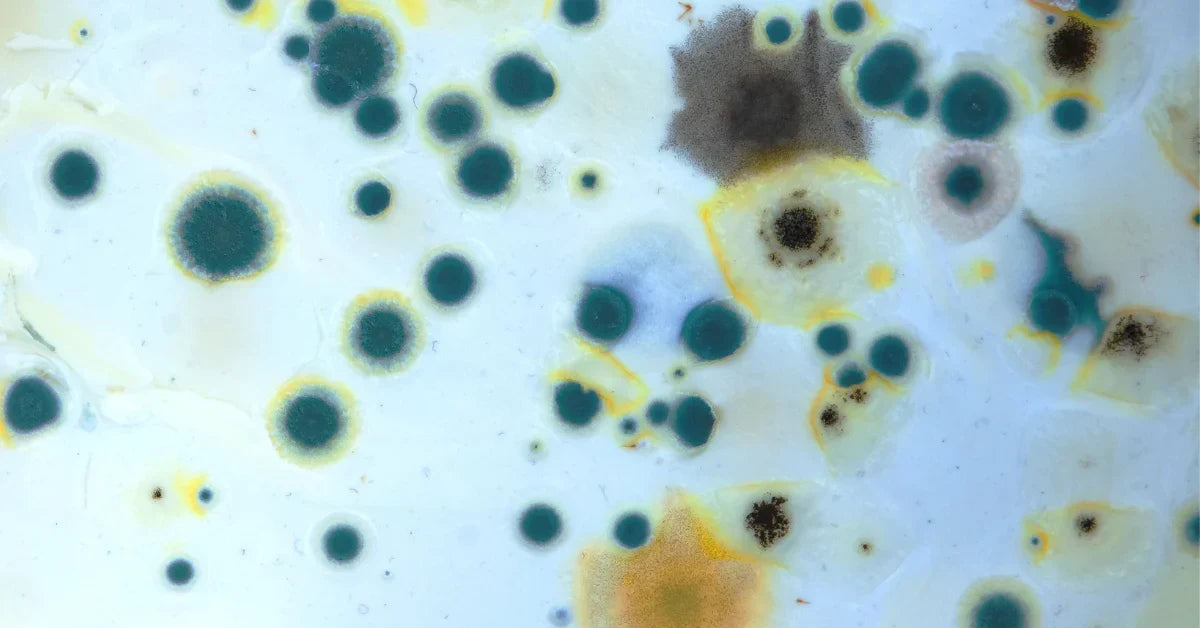
- Make sure your home is mold free. Keep areas such as the bathroom and basement well ventilated to prevent mold from developing.
- And finally, invest in a Certified HEPA Material air purifier. Many of our existing customers with COPD can testify to the effectiveness of using an Austin Air Purifier. Running an Austin Air Purifier will guarantee your home is free from pollutants and allergens. This will help to alleviate your COPD symptoms and improve your quality of life.
Here’s what one Austin Air customer had to say.
They really work. Other air purifiers are not even in the same league as the Austin Air.
My Mom has COPD and I bought her some for her house. They have helped her a lot and added years to her life.
We don’t think about the quality of our air in our houses. I don’t have to worry about our indoor quality because the Austin Air takes care of it. (Brent Pearson)
For more information on our range of air purifiers and what they can do for you, please visit our Products page.
By taking these few simple steps to improve the indoor air quality in your home, you will be able to effectively manage your COPD symptoms and live your life to the full.


Share:
Clean Air Helps to Heal Hashimoto’s Disease
Pollutants lurking in your kitchen this Thanksgiving