
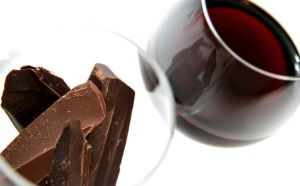
It might sound too good to be true, but a study from a team of researchers at Harvard Medical School suggest that eating certain foods containing flavonoids, including chocolate, wine, fruits and vegetables, help to protect our hearts from the damaging effects of air pollution. High levels of smog are known to reduce our heart’s ability to vary its rhythm, which can be bad news for the elderly or those who are prone to heart attacks and heart disease. The preliminary findings of this Harvard Medical School study show that the intake of high amounts of flavonoids weakened the association between air pollution and Heart Rate Variability (HRV).
The team examined the heart function of 573 elderly men over 11 years. They found that if the men ate foods containing large amounts of flavonoids on days when air pollution levels were high, they were far less likely to experience the changes in their heart function that could put them at risk of suffering a heart attack.
According to the United States Environmental Protection Agency, one in three Americans has a heart or blood vessel disease and those with heart conditions are more likely to be sensitive towards air pollution’s effects on the cardiovascular system.
Flavonoids are a well-known anti-oxidant. They are present in a variety of fruits and vegetables such as apples and grapes, and they are also found in the cocoa beans used to make chocolate. The amount of flavonoids found in each piece of chocolate will depend on the type of chocolate you consume. Check out the chart below to see the different types of chocolate and the amount of flavonoids they contain…
Type of Chocolate and Flavonoid Contents (source: http://www.mdpi.com/1420-3049/14/1/200)…
- Dark chocolate – 28 mg/100g,
- Milk chocolate – 13 mg/100g,
- White chocolate – 8 mg/100g
But what are Flavonoids? Flavonoids are a class of polyphenols, which are natural compounds found in plants that are thought to have beneficial health effects. Out of the thousands of types of polyphenols, resveratrol is the most well-known and well-researched, as it is commonly found in red wine and has been suggested to have benefits for the heart, for preventing cancer, and for anti-aging.
Flavonoids contain the following subclasses:
- Anthocyanidins – In blueberries, red wine, and strawberries.
- Flavan-3-ols – In apples, black tea, blueberries, chocolate, and red wine.
- Flavanones – In citrus fruit and juices and herbal tea.
- Flavones – In celery, garlic, green peppers, and herbal tea.
- Flavonols – In blueberries, garlic, kale, onions, spinach, tea, broccoli, red wine, and cherry tomatoes.
- Proanthocyanidins – In apples, black tea, blueberries, chocolate, mixed nuts, peanuts, red wine, strawberries, and walnuts.
- Isoflavones – In soy products and peanuts.
Scientists are not suggesting we rush out to stock up on our favorite chocolate bars or guzzle down bottles of wine, as these things themselves pose a threat to our health. In fact, as a consumer we must careful not to consider all chocolates to be healthy for us. Often, makers of chocolate products include other ingredients with their chocolate bars. Chocolate will frequently include creams, caramels, nuts or other fillings which can drastically increase our intake of fat and/or sugar. We already know that a varied and healthy diet, rich in fresh fruits and vegetables has many health benefits; it keeps us in shape and helps to manage our cholesterol just to name a couple. So if these latest preliminary findings suggest it can also help to protect our hearts against the damaging effects of air pollution, that’s even more reason to eat well and stay healthy. Also from the study, lead researcher Jia Zhong states that “eating about 100 grams of blueberries (about three-quarters of a cup) every day may actually protect older men from smog-related heart disease”, so again make sure you choose wisely when trying to increase your flavonoid intake.
Are you looking to improve your diet? Check out our article Buying Seasonal Fruit and Vegetables, which takes a look at why it is so important to buy your fruits and vegetables at the right time of year.


Share:
Happy Holidays, 2014! Holiday Hours Announcement
New Year's Eve 2015 Safety Tips