The health risks associated with smoke from wildfires are often serious. As well as burning eyes and runny nose, wildfire smoke can aggravate heart and lung conditions and even cause premature death. But recent studies from the University of California in San Francisco, found smoke exposure can also result in some rather unusual conditions.
Smoke exposure affects our skin
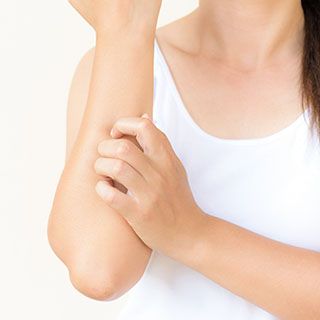
According to their findings, the number of people with atopic dermatitis or eczema increased significantly after the 2018 Camp Fire. Our skin is our largest organ and it’s directly exposed to air pollutants, so it makes sense that it’s affected when air quality is low.
The team from San Francisco University looked at data from a dermatology clinic during the 2018 fire season and compared it to previous years. They found that cases of atopic dermatitis and eczema surged after the 2018 fires, compared to previous years.
Our skin reacts immediately
Perhaps most alarming was that 89% of those treated at the clinic had no history of skin conditions. It is also important to note that this rise in cases happened almost immediately after the fires broke out.
We need to focus on the wide-ranging health problems associated with air pollution
Although not as serious as the heart and lung conditions often associated with smoke exposure, skin disorders can have a major impact on a person’s quality of life, affecting their social life, and how they feel psychologically. According to researcher Raj Fadadu, there needs to be more focus on the wide-ranging health implications of smoke exposure, and not just the well-known risks.
We’re in for another bad wildfire season
This news comes at a time when wildfires are increasing in size and intensity, each year worse than the last. Projections for wildfire season 2021 are not good, as many areas of the country have experienced extreme drought in the last few months. According to a team at San Jose State University’s Wildfire Interdisciplinary Research Center, conditions are unusually dry.
Santa Cruz is experiencing ‘terrifyingly low’ moisture levels
Every year around this time, the team examines plants and shrubs in rural parts of California, checking for new growth. But this year, conditions were highly unusual, there was no new growth, which is a major cause for concern. New growth on plants ensures a high moisture level, no new growth and that plant is far more likely to catch fire. According to the team, this year’s fuel moisture content across the Santa Cruz mountains is ‘terrifyingly low’. When asked about predictions for this year compared to last, director of the research centre, Craig Clements, shared his thoughts.
“It’s hard to say if it’s going to be worse, but it could be very similar.”
Now is the time to prepare
May is National Wildfire Awareness Month, a month dedicated to wildfire prevention and preparedness. And as a way to help communities prepare for the season ahead, the Red Cross has put together a list of things we can do to keep safe this wildfire season. For more info, read the full article HERE.
The Austin Air HealthMate Plus™, for peace of mind this wildfire season
The Austin Air HealthMate Plus™ uses a combination of Medical Grade Certified HEPA Material, together with Activated Carbon, Potassium Iodide Impregnated Carbon and Zeolite. This unique filter design makes the HealthMate Plus™ our number one choice for the removal of smoke from wildfires, as well as chemicals, VOC’s, viruses, bacteria and allergens. Be ready this wildfire season, with Austin Air!


Share:
Scientists appeal to schools to choose HEPA air purifiers over ionizers
We’re helping kids stay safe