
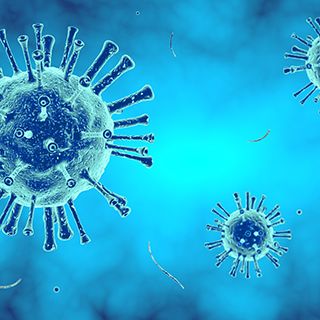
Many people are starting to get back to normal life and put COVID-19 behind them. But for some, COVID-19 is still very much a part of everyday life.
These people are sometimes referred to as ‘long haulers.’ They are still suffering from what’s known as ‘long COVID’ – symptoms of COVID long after the infection has subsided. According to the WHO, long COVID is defined as
“…usually 3 months from the onset of Covid-19 with symptoms that last for at least 2 months and cannot be explained by an alternative diagnosis.”
Early research suggests long COVID affects between 10 and 30% of people who contract the virus, but these are only estimates. COVID-19 is still a relatively new disease, so research relating to long COVID is not complete, and it may be years before we know the full story.
What We Do Know
- Symptoms of long COVID range from tiredness and difficulty breathing to sleep problems, headaches, and mood changes. Click HERE for a full list of symptoms from the CDC.
- Long COVID can affect anyone who has recently contracted COVID-19, even if their symptoms were mild.
- Long COVID falls into three categories
- A COVID-19 infection causes direct cell damage that stops a person from making a full recovery.
- The second category is linked to prolonged hospitalization. If a person contracts COVID-19 and spends a long period in the ICU, this can lead to muscle weakness, cognitive brain dysfunction, and a disorder known as ‘Post-ICU care syndrome,’ similar to post-traumatic stress.
- The final category occurs after a person recovers from COVID-19. If an inflammatory response in our immune system persists after the initial recovery, this can lead to further complications.
This third category is part of a study from a team at the University of New South Wales Kirby Institute and St. Vincent’s Hospital Sydney (1)
“…what we’re seeing with long COVID is that even when the virus has completely left the body, the immune system remains switched on.… It’s unique to sufferers of long COVID.”
Long Haulers and the Immune System
While the cause of ‘long COVID’ is still under investigation, researchers now understand that ‘long COVID’ patients tend to have disrupted immune systems compared to those who recover more quickly. Perhaps the body is still fighting the remains of the virus. Perhaps the virus triggered an autoimmune response. Regardless, the immune system is under pressure.
That means it’s especially important for long haulers not to further burden the already-struggling immune system. There are a number of things we can do to boost our immune health.
· Eat clean. A diet rich in antioxidants helps to reduce oxidative stress and keep our immune system healthy. Try to incorporate lots of colorful fruit and vegetables into your diet, particularly purple, blue, red, orange, and yellow foods.
- Avoid stress. When we are stressed, we produce the stress hormone corticosteroid. Too much corticosteroid stops our immune system from working as it should, leaving us more vulnerable to infection.
- Get enough sleep. Good quality, consistent sleep helps to keep our immune system balanced and effective.
- Keep your indoor air clean and safe. Exposure to airborne contaminants such as VOCs, chemicals, smoke, and PM2.5 causes an inflammatory response in our immune system that can lead to various health risks and leaves us more vulnerable to infection.
Austin Air Uses Technology Recommended by The CDC And The EPA
Air purification can often be of immense benefit for long haulers. Both the CDC and EPA recommend using Certified HEPA Material air purifiers to remove viral particles from the air and minimize risk. Here at Austin Air, we have been manufacturing Certified HEPA Material and carbon air purifiers for more than 30 years. We use 60 sq. ft. of Medical Grade Certified HEPA Material and up to 15 lbs. of Activated Carbon to remove the widest range of airborne contaminants, including viruses and bacteria. No one else in the industry comes close to using that much Certified HEPA Material or carbon.
If you’d like to learn more about what you can do to minimize your risk of COVID-19 infection, visit our SHOP page today.
(2)Long-term cardiovascular outcomes of COVID-19 | Nature Medicine


Share:
Spring Showers, Mold Matters
Austin Air Helps Protect the Children of Erie County