

Most homes have a distinctive smell but because it’s yours, you probably won’t notice it.
Are you ‘nose blind’?
Litter trays, animal beds, the trash bin, your fridge.… There’s a long list of things that can cause a stink in your home. But if you’ve become accustomed to them, you won’t always know your home smells a little funky. This is known as ‘nose blindness’. Our brains are programmed to allow familiar smells to fade into the background, this guarantees the new smells stand out. It’s our brains way of protecting us, ensuring we smell smoke from a fire, or food that has gone bad.
Of course, if you have a house full of teenagers or pets, there’s a good chance you’re struggling to keep your home smelling mountain fresh. But we can’t blame it all on the kids or the dog, so let’s take a look at a few other reasons why your home might need freshening up.
Does your home smell like a locker room?
Now this may be your teenager’s inability to empty their gym bag, but if it’s not, you could have a build-up of bacteria in your heating system that needs looking at. ‘Dirty sock syndrome’ is a thing and it happens when bacteria have the chance to build up in your HVAC, and as we know, where there’s bacteria, there’s generally a bad smell.
A whiff that’s musty and dusty?
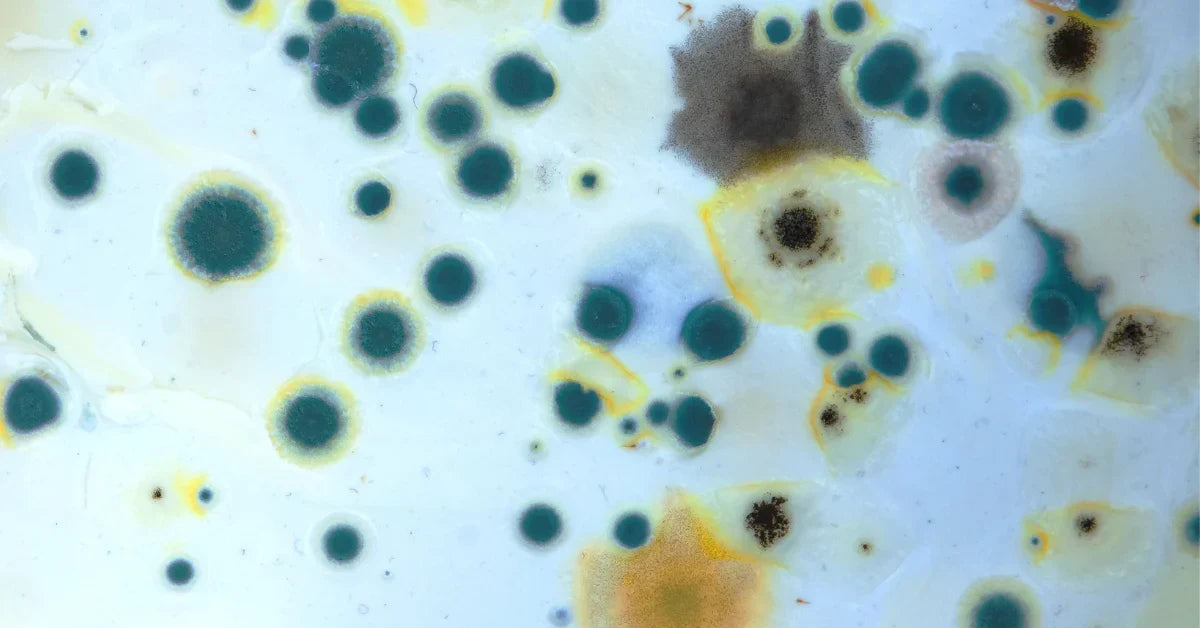
A musty or dusty smell is a good indicator that mold is present. Mold loves warm, damp environments such as basements and bathrooms. Keep an eye out for leaks and make sure your space is well ventilated to stop mold from taking hold.
A wet dog smell without the dog?
The smell of wet dog is quite distinctive. But did you know that rodents give off the same smell. So if you notice a wet dog smell and you don’t have a dog, you may have some unwanted house guests.
A cat smell that you can’t blame on the cat
Even people without cats can experience that ‘cat smell’ in their homes. This may be another sign that you have a mold problem. Certain types of mold have a distinctive smell that is similar to cat urine. So if you notice the smell and you know its not kitty, you may have a mold problem that needs addressing pronto.
A fishy smell that isn’t coming from the kitchen
If you notice a fishy smell in your home, it could be an indication that you have faulty wiring and are at risk of a house fire. This is not something you can ignore and will need investigating ASAP.
Rotten eggs could be a sign of danger
Around 50% of homes in America use natural gas for heating, hot water, cooking, or drying clothes. Natural gas is actually odorless, so to ensure we know when there’s a leak, gas companies add an odorant that smells bad enough for us to notice. If you detect a rotten egg smell in your home, it could be a gas leak. You’ll need to vacate the property straight away, without touching any lights or appliances. When you are safely out of the home and some distance away, call the gas company.
VOC’s from everyday items
VOC’s (Volatile Organic Compounds) are difficult to avoid in modern homes. New furnishing, carpets, flooring, curtains, paint and cleaning products can all emit VOC’s. Some are harmful on their own and some react with other airborne pollutants to become a risk. According to the EPA, VOC levels in our homes are up to five times higher than outdoors. To reduce the risk of VOC’s in your home, look out for natural products that don’t use chemicals. And if you do use paints and cleaners that emit VOC’s, be sure to store them correctly, away from your living area, such as in a garage or outdoor shed.
The best smell is no smell, with Austin Air!
It’s tempting to try to mask the bad smells with diffusers and room sprays, but this really is a short-term fix and doesn’t get rid of the smell. Furthermore, for anyone with allergies, asthma, or other sensitivities, the chemicals used in air fresheners can be a real trigger.
When you’ve dealt with the source of the smell, keep your home smelling clean and fresh with an air purifier from Austin Air. Voted best air purifier for VOC’s by the New York Times, an Austin Air Purifier will effectively remove odors, bacteria, viruses, allergens, VOC’s and chemicals from your home. Not only will the air in your home smell amazing, it will also be safe, free from allergens and other airborne contaminants.


Share:
What are you doing to stay safe this winter?
Study finds air pollution linked to 6 million premature births worldwide