
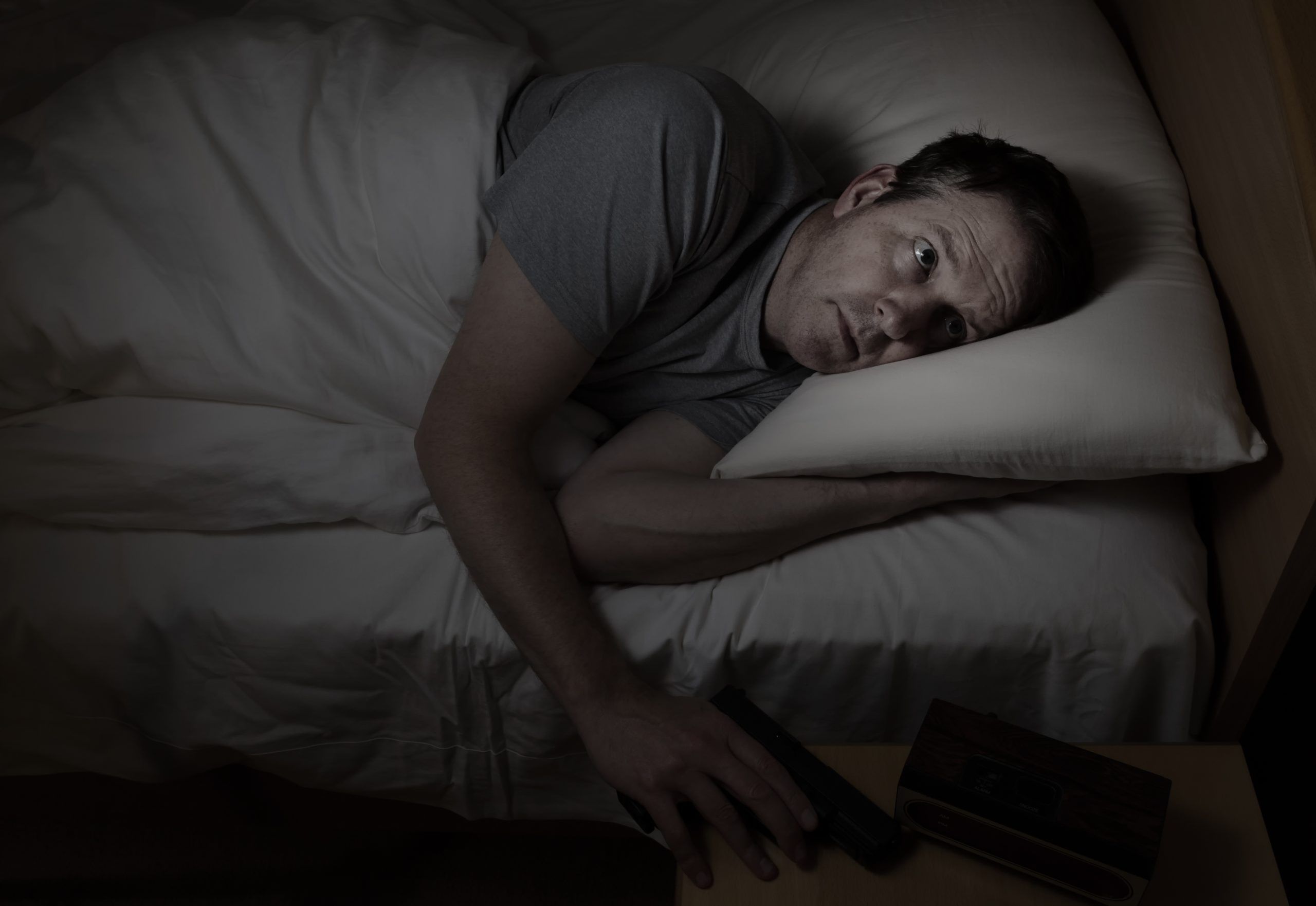
We recently published an article on the importance of sleep and how so many of us are not getting the quality sleep we need. There are many factors that can influence sleep. Our diet, screen time and stress all have a part to play. But have you ever stopped to consider the chemicals and toxins floating around in your bedroom, could also be getting in the way of that much needed eight hours of shuteye?
So what do you need to look out for in your sleep space?
First on the list is paint. Yes your bedroom looks fabulous, freshly painted in your favorite color. But paint contains some really nasty pollutants. Formaldehyde, benzene, ethyl acetate, xylene, and methylene chloride have all been linked to headaches, dizziness, fatigue, memory impairment, nausea, visual disorders and some types of cancer. Pregnant women are advised to avoid paint completely, as exposure to certain types of VOC’s can result in miscarriage.
Next on the list. Our pets. If you let your pets sleep in your bed, you are not alone. According to one survey, more than half of us share our bed with ‘Kitty’ or ‘Fido’. For people with ongoing respiratory problems, such as asthma and allergies, this really is a big no no. Pet dander is a major asthma and allergy trigger and can cause coughing, wheezing, sneezing, breathing difficulties, watery eyes and a runny nose. And even for those of us who are healthy, sleeping with our animals is not without risk. Cats and dogs potentially carry all kinds of bacteria and parasites. If they sleep in your bed, you’re at risk of contracting staph infections, meningitis, cat scratch disease and parasites such as roundworm or tapeworm.
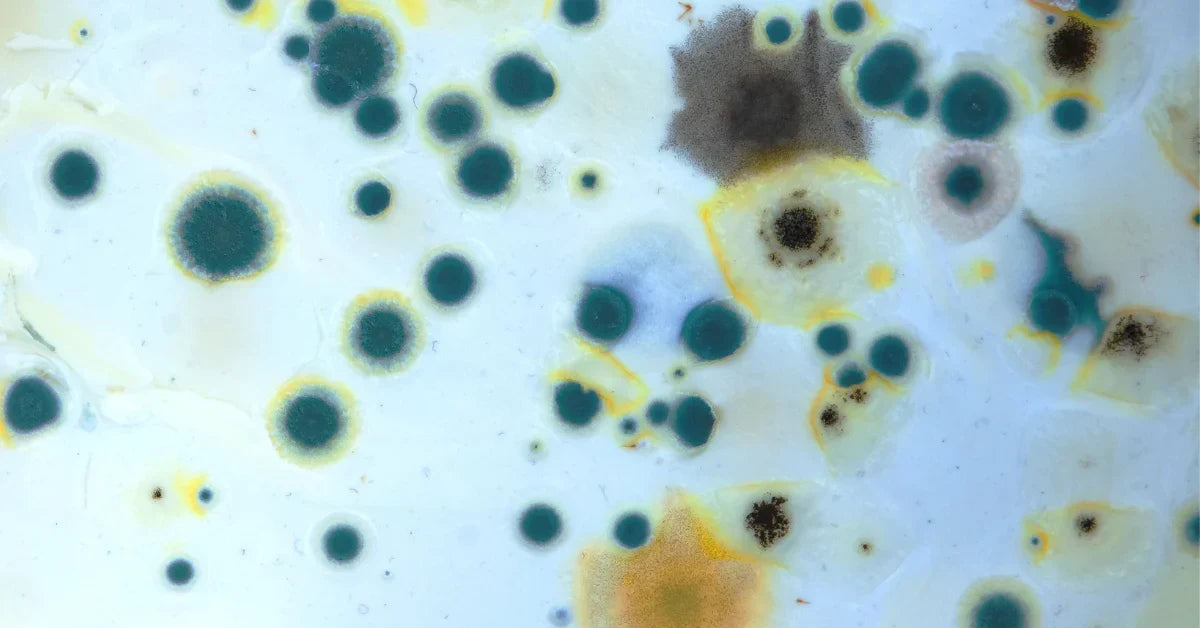
Number three is mold. You may not be able to see the mold growing in your bedroom. But if you notice a damp musty smell, it could be lurking between walls or under carpeting and flooring. Mold can release mycotoxins into the air. In the short term, mycotoxin exposure causes cold like symptoms such as a runny nose, sore throat, coughing and nose bleeds. Long term exposure can be more serious, with symptoms such as anxiety, sensitivity to light, memory loss, difficulty with concentration and numbness of the hands and feet.
Next to watch out for, laundry detergent and softeners. There is nothing quite like sinking into a freshly made, clean bed. However, many laundry detergents contain chemicals that can cause skin irritation, hormone disruption and in some cases, respiratory problems.
And finally, scented candles. Beautiful to look at, they fill the bedroom with a relaxing aroma and gentle light. However scented candles often contain a variety of chemicals such as benzenes, that can cause drowsiness, dizziness, headaches, tremors and confusion. Benzenes have also been linked to cancers and fertility problems in women.
So what can you do to clean up the air in your bedroom? Shop wisely. There are many non-toxic, ‘VOC free’ paints available. All of which are safe to use and will not harm the environment. The same applies to scented products such as candles and laundry detergent. Look out for nontoxic soy candles that contain natural scents such as lavender or sage. Try to use fragrance free, hypo allergenic laundry detergents, that are fee from chemicals and toxins. And try to keep your pets out of the bedroom, particularly if you have on going respiratory problems.
And if you are looking for the ultimate protection for you and your family, you may want to consider investing in an air purifier. Our Austin Air Bedroom Machine, with its 5-stage filtration system, is our most comprehensive air purifier. Designed specifically to improve sleep, the Bedroom Machine effectively removes VOC’s, formaldehydes, benzenes, allergens, dust, pet dander, viruses and bacteria. Keeping the air in your bedroom clean and safe. For more info on the Austin Air Bedroom Machine, visit our shop page here.


Share:
Protect your baby from the dangers of air pollution
Remove air pollutants to reduce your dementia risk