
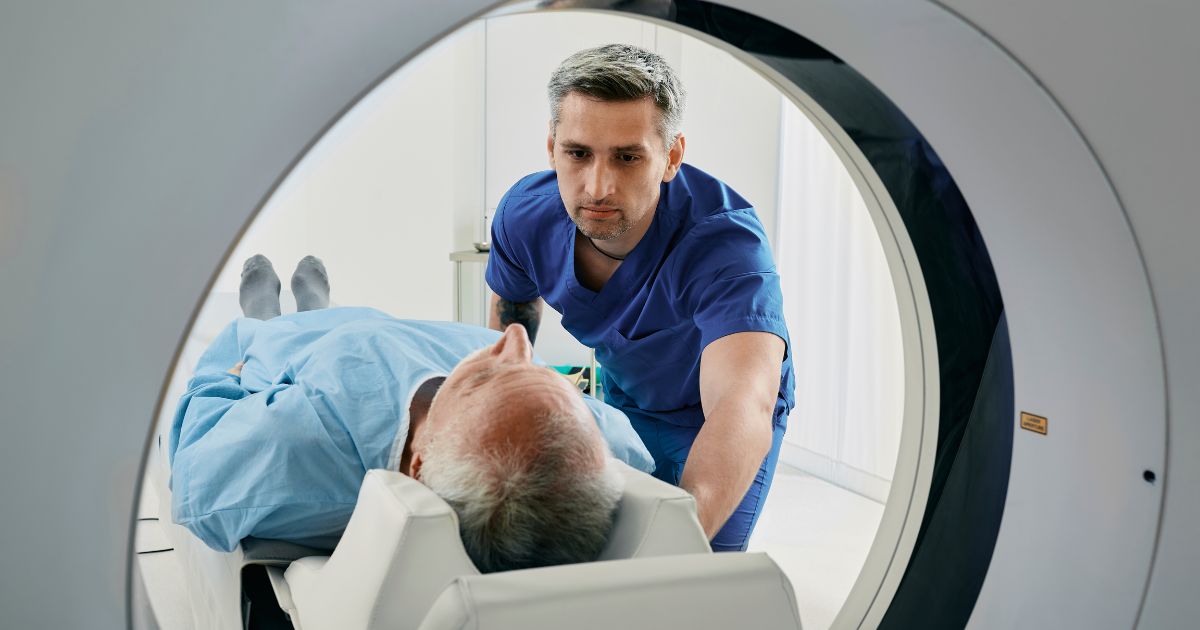
A groundbreaking study recently published in Scientific Reports has shed new light on the connection between air pollution and cancer – specifically head and neck cancers. Researchers found a strong correlation between exposure to fine particulate matter (PM2.5) and an increased risk of aerodigestive cancers, which affect the mouth, throat, and upper respiratory tract.1
These findings add to the growing body of evidence showing that air pollution doesn’t just impact lung health in the short term – it can also contribute to the development of various cancers. Given that air pollution is an unavoidable part of modern life, understanding its risks and taking preventive steps to avoid exposure are more important than ever.
How Fine Particulate Matter Affects Health
PM2.5, or fine particulate matter, consists of microscopic particles that are 2.5 micrometers or smaller in diameter. These pollutants come from sources such as vehicle emissions, industrial processes, and wildfire smoke. Due to their small size, PM2.5 particles can penetrate deep into the lungs and enter the bloodstream, leading to widespread inflammation and cellular damage.
For head and neck cancers, researchers suggest that inhaling these pollutants may contribute to genetic mutations, chronic inflammation, and immune system suppression, all of which can promote cancerous growths in the respiratory and digestive tracts.
The Study: How Researchers Established the Connection to Cancer
The study examined data from the Surveillance, Epidemiology, and End Results (SEER) Program of the National Cancer Institute (NCI) to analyze cancer incidence across 11 states in the U.S. between 2002 and 2012. The study linked county-level PM2.5 pollution data with head and neck cancer incidence rates while accounting for other risk factors like smoking, alcohol use, and socioeconomic status.
The researchers found that PM2.5 exposure was significantly associated with increased incidence of head and neck cancers, particularly in regions with historically high pollution levels. Lag models – which are a dynamic method for studying results that take place over an extended time – were used to assess the long-term effects of pollution exposure, revealing that PM2.5 can contribute to disease development years after initial exposure.
This research adds to the International Agency for Research on Cancer’s classification of air pollution as a Group 1 carcinogen, confirming its role in the development of lung cancer and potentially other cancers as well.2
The International Agency for Research on Cancer Classification
The International Agency for Research on Cancer (IARC) has classified outdoor air pollution and the particulate matter (PM) within it as carcinogenic to humans, based on strong evidence from human studies, experimental research, and data.
The classification places PM2.5 in Group 1 carcinogens, indicating sufficient evidence linking it to lung cancer and increasing concerns regarding other cancers, including head and neck cancers. Other Group 1 carcinogens include tobacco smoke and UV radiation.3
Studies from Asia, Europe, and North America consistently demonstrate a significant association between PM2.5 exposure and lung cancer, even after adjusting for risk factors like smoking. While research in China is more limited, available studies indicate an increased risk of lung cancer linked to specific air pollutants. Additional recently published research demonstrated a 6-9% increase of overall kidney, bladder, and urological cancer due to PM2.5 exposure.4
Animal studies further support this classification, showing that exposure to polluted outdoor air or extracted particulate matter leads to excess cancer risk. Additionally, genetic biomarker studies suggest that pollution-exposed populations exhibit genetic damage associated with elevated cancer risk.
The IARC evaluation underscores the urgent need for further research on air pollution’s role in cancer development, especially in underrepresented regions, while also emphasizing the importance of actions and policy interventions to reduce exposure.

Who Is Most at Risk?
While air pollution affects everyone, certain groups are more likely to be exposed and suffer its long-term effects, including:
- People living in high-traffic urban areas with poor air quality
- Industrial and construction workers exposed to airborne toxins
- Individuals with pre-existing respiratory conditions such as asthma or COPD
- Non-smokers with prolonged exposure to secondhand smoke or air pollution
How to Reduce Your Risk
Although completely avoiding air pollution is impossible, there are several steps you can take to reduce exposure and protect your health:
- Monitor Air Quality: Check daily air quality reports (AQI) in your area and avoid prolonged outdoor activity when pollution levels are high.
- Improve Indoor Air Quality: Use Certified HEPA Material air purifiers with activated carbon, like the Austin Air HealthMate, to remove PM2.5 and other harmful pollutants from your home or workplace.
- Seal Indoor Spaces: Keep windows and doors closed on days with poor air quality and use weather stripping to prevent outdoor pollutants from entering your home.
- Use Proper Ventilation: Ensure adequate airflow in enclosed spaces, especially in offices, schools, and homes near high-traffic areas. This is crucial in indoor spaces that are well sealed.

The Bigger Picture
This latest research reinforces what scientists have long suspected – air pollution is a major public health threat that goes beyond respiratory illnesses. By staying informed and taking proactive measures, individuals can reduce their exposure to harmful pollutants and lower their cancer risk.
As the fight against air pollution continues, investing in cleaner technologies and advocating for stronger air quality regulations will be key to protecting future generations.
Stay Informed, Stay Protected
For more insights on air quality and how to safeguard your health, follow our blog or sign up for our newsletter to explore the latest news on respiratory health.
REFERENCES
1 Peleman J, Ruan M, Dey T, et al. (2024 November 12). Air pollution exposure and head and neck cancer incidence. Scientific Reports, 14(1). doi: 10.1038/s41598-024-73756-3.
2 Loomis D, Huang W, Chen G. (2014 April) The International Agency for Research on Cancer (IARC) evaluation of the carcinogenicity of outdoor air pollution: focus on China. Chin J Cancer;33(4):189-96. doi: 10.5732/cjc.014.10028.
3 List of classifications. (2025 February 14). World Health Organization International Agency for Research on Cancer. https://monographs.iarc.who.int/list-of-classifications.
4 Chen Z, Cheng Z, Wu Y, et al. (2024 December 30). The association between ambient air pollution and the risk of incident nasopharyngeal carcinoma in Hangzhou, China. Scientific Reports, 14(1). doi: 10.1038/s41598-024-83388-2.
Last updated March 10, 2026


Share:
Volcanoes in the USA: Hidden Hazards and Deadly Gases
Clean Air: The Ultimate Employee Appreciation Gift