
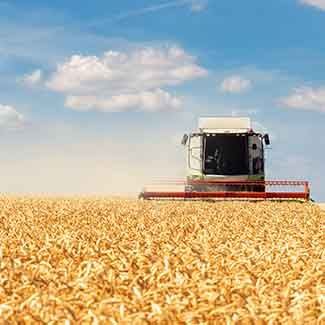
We often think that air quality in rural areas is far better than in cities. With fewer vehicles on the road and all that open space, it makes sense that the air is cleaner, right? Wrong.
Sources Of Pollution in Rural Areas
Methane from livestock, pesticides, fertilizers, dust, and emissions from farming machinery can all create airborne pollutants, often many miles from the site of the activity. This can have significant implications for local residents, as these contaminants find their way indoors.
New Study Finds Air Quality in Rural Areas Could Be More Damaging Than Urban Pollutants
Until recently, air quality has been measured using the size of pollution particles, specifically pollution particles with a diameter of 2.5 micrometers or less. But a recent study from Illinois University (1) has been looking at particles’ toxicity, not just their size. The findings suggest that pollution particles in rural areas are twice as toxic as those found in cities. So even if particle numbers are lower than in urban areas, the damage to our health is the same.
According to one of the study authors, Vishal Verma,
“The health impacts attributed to these particles in the rural areas is almost the same as in the urban areas.”
Risks Of Agricultural Pollutants
Several studies have been carried out in rural areas to measure the risk when exposed to these pollutants. Pesticide exposure has been linked to Parkinson’s disease (2), Alzheimer’s (3), and certain cancers (4). Studies involving children reveal that pesticide exposure increases the risk of autism and ADHD (5). According to one study (6), even low-level exposure to certain pesticides could affect a child’s neurological and behavioral development.
Our Work to Improve Air Quality in Rural Areas
Here at Austin air, we have been working to improve poor air quality in rural areas for some years. In 2015, we partnered with the University of Washington to measure how using an Austin Air purifier could help to improve air quality for children with asthma living in the Yakima Valley in Washington State. The area is known for a range of intensive agricultural activities that have a significant impact on the surrounding air quality
For the purposes of the study, an Austin Air purifier was placed in both the living area and the child’s bedroom. Pollution levels were then closely monitored. As with previous studies, the results were significant. Pollution levels in the living area were reduced by 48%, and in the children’s bedrooms, they were reduced by an incredible 65%.
The results of this study support our previous findings. Running an Austin Air purifier will help to improve indoor air quality and positively impact the health of those involved.
Our Homes, Schools, And Offices Are All High-Risk Areas
Although our primary focus is often keeping the air at home clean and safe, we need to be aware that pollutants can find their way into all indoor spaces, including classrooms, offices, and public buildings, in fact, anywhere we spend time indoors. Without effective air filtration, pollutants can build up indoors and pose a serious health risk, particularly for people with ongoing respiratory issues, such as asthma, COPD, and allergies.
If you live in a rural area where poor air quality is a concern, visit our SHOP page today to learn more about our range of air purifiers and what they can do to keep your indoor space clean and safe.
(6) Pesticide Exposure and Child Neurodevelopment – PMC (nih.gov)


Share:
Father’s Day
Using Your Health Insurance to Pay for an Air Purifier