
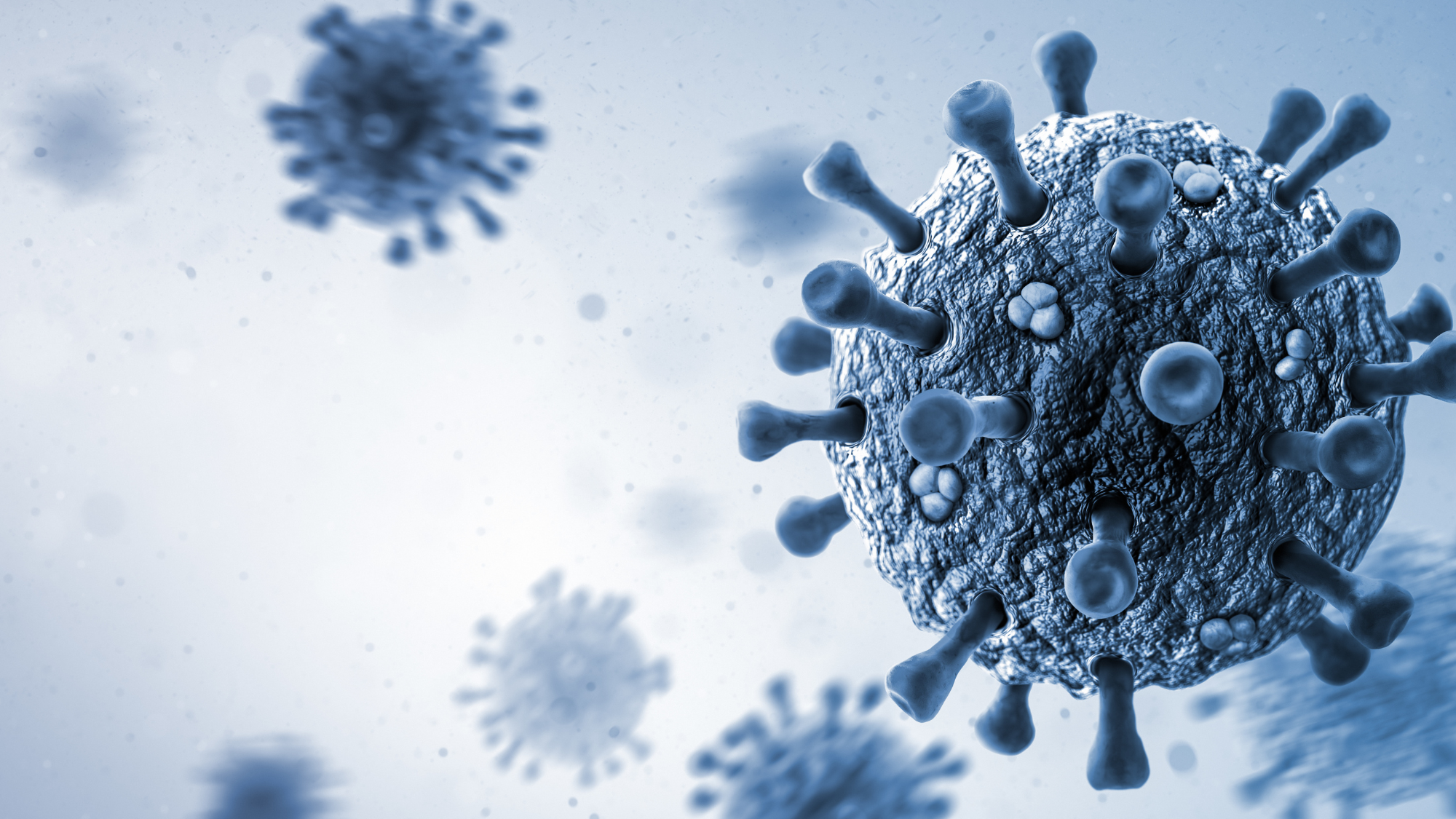
A review by the EPA looked at the most common types of air filters and found that using a combination of Certified HEPA Material and carbon (like the Austin Air filters) is the most effective. But the review warned against using other popular air filtration technologies such as those using ultraviolet (UV) or Ultraviolet Germicidal Irradiation (UVGI) technology.
Ultraviolet germicidal irradiation (UVGI), is designed to use UV lamps to kill or deactivate microorganisms such as viruses, bacteria, and fungal spores and fragments that are airborne or growing on surfaces (e.g., cooling coils, drain pans, ductwork, filters).
Below are some key takeaways from the report, regarding UV and UVGI technologies….
1. Some bacterial and mold spores are resistant to UV radiation.
“Given sufficient exposure time and lamp power, UV light can penetrate the outer structure of a microorganism’s cell(s) and alter its DNA, preventing replication and causing cell death. But some bacterial and mold spores are resistant to UV radiation, and to achieve reliable deactivation of spores, the lighting power must be high and the exposure times must be long.” (Page 26)
2. UV radiation is ineffective inside the filter media.
UV radiation is ineffective in killing microorganisms if they proliferate inside the filter media, system crevices, porous thermal insulation, or sound-absorbing fibrous material liners (Kowalski and Bahnfleth 2000). (Page 27)
3. UV effectiveness with allergens is unproven.
Some UVGI cleaners used in HVAC systems or portable air cleaners are advertised to reduce dust mite allergens, airborne microorganisms (e.g., viruses, bacteria, molds) and their spores, and gaseous pollutants from indoor air. However, it is likely that the effective destruction of airborne viruses and fungal and bacterial spores requires much higher UV exposures than a typical residential UVGI air-cleaning unit provides (Kowalski and Bahnfleth 2000; Scheir and Fencl 1996; VanOsdell and Foarde 2002).
No research or studies were found that show UV disinfection is effective in reducing dust mite and mold allergenicity or that UV radiation has the potential to remove gaseous pollutants. Both dead or live fungal particles can cause allergic reactions in sensitive populations. Therefore, UVGI cleaners might not be effective in reducing allergy and asthma symptoms. (Page 28)
4. UVGI can generate ozone.
Similar to ESPs, UVGI cleaners can generate large amounts of ozone as a byproduct of their operation (Morrison et al. 2014). Uncoated UV-Cla mps that emit UV light with a wavelength of 254 nm and below can generate ozone through photolysis of oxygen and further reaction (e.g., 3O2 →photolysis →2O3). Because of this issue, some manufacturers apply a special coating to UV lamps (e.g., doped fused quartz lamps) to inhibit ozone production. (Page 28)
5. UVGI does not actually capture or remove particles
There is no specific standard test method to rate and compare the effectiveness of UVGI cleaners installed in either residential HVAC systems or portable air cleaners. Typical UVGI air cleaners designed for use in homes do not deliver sufficient UV doses to effectively kill or deactivate most airborne microorganisms because the exposure period is too short and/ or the intensity is too low. Thus, UVGI does not appear to be effective as a sole control device. When UVGI is used, it should be used in addition to—not as a replacement for—conventional particle filtration systems, because UVGI does not actually capture or remove particles (CDC 2003). Dead or deactivated biological particles can still contain irritants, allergens, and/ or toxins. (Page 28)


Share:
A Review by the EPA Warns Against ESP and Ionizer Air Purifiers
A Review by the EPA Warns Against PCO and Plasma Air Purifiers