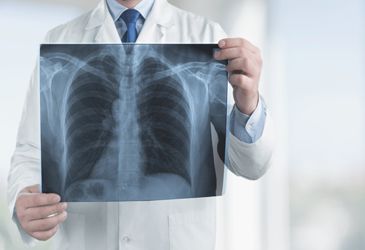
The arrival of Covid-19 has left us all feeling vulnerable. But for people with preexisting lung conditions, the last few months have been particularly worrying.
One of the biggest killers in the US
COPD or to give it its full name, Chronic Obstructive Pulmonary Disease, is a term used to describe diseases such as Emphysema or Chronic Bronchitis. Often the result of smoking, it affects around 30 million people in the US and is the world’s third biggest killer. Some states tend to fair worse than others. In 2017 for example, 14% of adults in West Virginia were diagnosed with COPD, in comparison to a little over 3% of people in Hawaii.
What are the symptoms?
Symptoms include shortness of breath, coughing, chest tightness and wheezing. The condition is chronic, there is no cure and over time, symptoms will inevitably worsen. For some people with COPD, even the most basic of tasks, such as washing or getting dressed, are impossible to do.
COPD increases Covid-19 risk
Covid-19 is a virus that affects the respiratory system, so although COPD does not increase a person’s chances of contracting the virus, it will certainly affect the severity of their illness and their chances of survival. One study pulled together data from several different studies to conclude people with COPD were at significantly increased risk of developing severe Covid-19 symptoms if they were to contract the virus.
More than ever we need to look after our lungs
Our respiratory health has never been more important. If you have COPD or any other chronic respiratory illness, pollutants and allergens in your home can aggravate symptoms, making you more vulnerable to infection. If you’re looking for the ultimate protection, the Austin Air Bedroom Machine is our number one choice.
The Austin Air Bedroom Machine
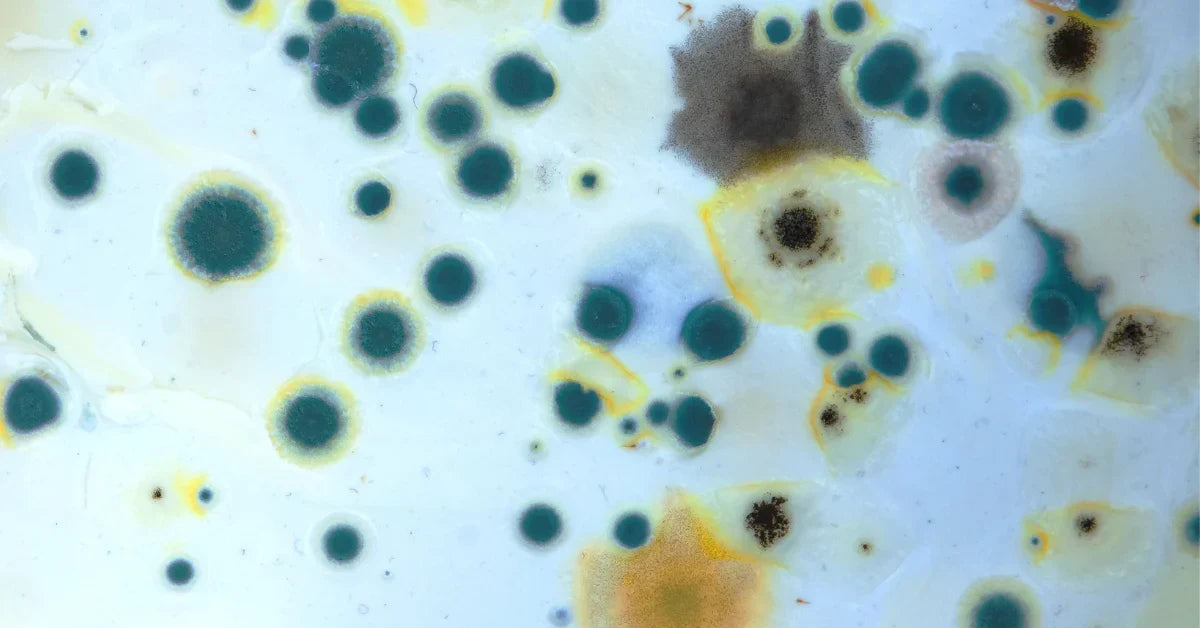
Using a combination of Medical Grade Certified HEPA Material, Granular Carbon and a Military Grade HEGA Carbon Cloth, the Austin Air Bedroom Machine offers exceptional protection against allergens, viruses*, bacteria, chemicals and VOC’s.
Doctors choice
And don’t just take our word for it, the results of two separate clinical trials show this unit to be highly effective at removing dangerous airborne pollutants from the home.
A clinical trial at the University of John Hopkins to reduce Nitrogen Dioxide levels in the homes of local residents showed remarkable results. Nitrogen Dioxide (NO2) is often present in homes where there are gas stoves. High levels of NO2 are particularly dangerous for people with COPD, as the gas can dramatically increase symptoms of coughing, wheezing and chest tightness. Running an Austin Air Purifier significantly reduced levels of NO2 for the duration of the study.
In a second study at Johns Hopkins, the Bedroom Machine was placed in the homes of women, living with a smoker, who were either pregnant or with very young babies. Again the results were impressive. It was clinically proven that running an Austin Air Bedroom Machine will effectively remove indoor pollutants from the home, including nicotine.
If you’re looking at ways to improve your respiratory health and remove airborne pollutants from your home, the Austin Air Bedroom Machine will give you the protection you need. For more info on the Austin Air Bedroom Machine and how it can help you, follow this link.
*Covid-19 is a new strain of virus that as yet, remains untested. However, the Medical Grade Certified HEPA Material technology used in our filters is proven to remove up to 99% of all airborne contaminants as small as 0.1 microns.


Share:
At last, some good news to come out of lockdown!!
Stay safe this September