
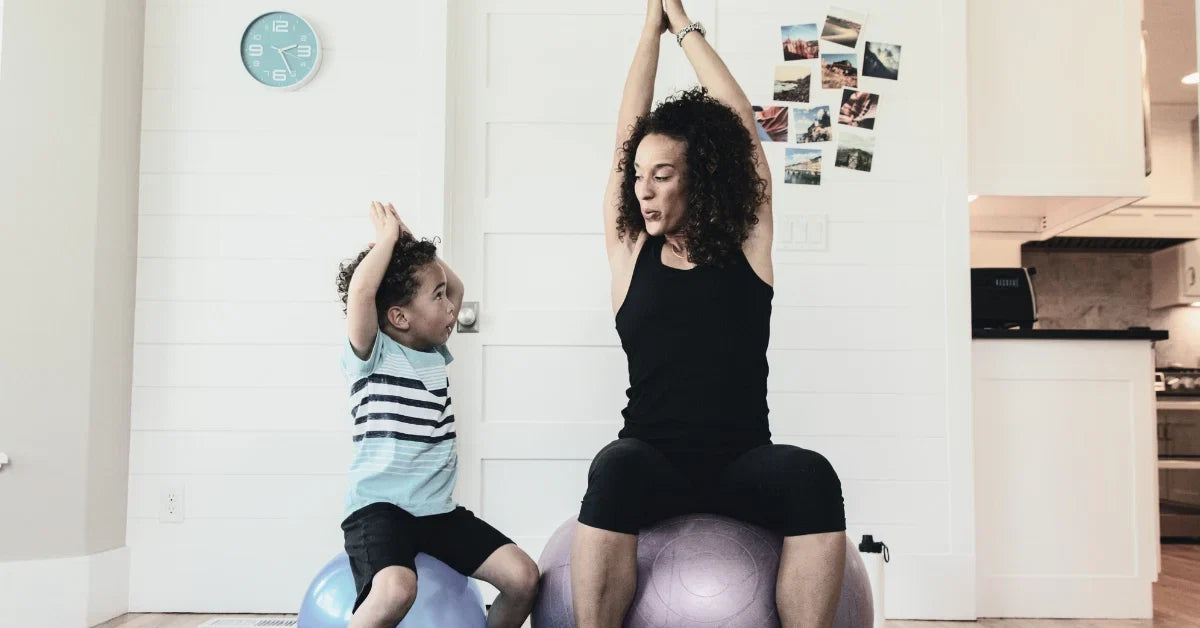
How safe is your baby’s bedroom? The average self-respecting parent takes pride in baby-proofing their home from physical dangers with baby gates and electrical socket covers. But what about the air? Many people assume the air in their home is safe, in fact – most people probably haven’t given it much thought – but one of the most dangerous things for your baby could be the air in your home.
In 2009, Women in Europe for a Common Future (WECF) – a non-governmental organization devoted to giving women a platform to participate in the arena of environmental issues – teamed up with the French Consumer Protection Institute (ICN) and Quad-Lab laboratory to perform a study to research the air quality nurseries. They sent out a “Test Your Nest” kit to parents or soon-to-be parents that had recently completed home remodeling or were planning on doing some home improvements in France, Germany, Greece, and the Netherlands. The study was specifically aimed at those who had purchased new furniture or had done work on the walls or floors of their nursery. The simple and trustworthy test samplers were placed in the homes for a week before being sent back to the laboratory for processing.
Over 40% of the tests reported that the amounts of formaldehyde and volatile organic compounds (VOCs) in the air were above the safety limit established by multiple scientific agencies in Europe. These chemicals are known to cause or exacerbate serious health problems in adults and they are a much more serious threat to babies and children. Formaldehyde is a known carcinogen and is emitted from finished wooden furniture, walls, and even floors. VOCs can cause a plethora of problems ranging from eye irritation, to cold symptoms, and have even been linked to digestive problems. Most seriously, VOCs have been linked to cancer and brain damage. The study authors state that the indoor air quality was much safer for the babies whose parents were aware of the importance of proper ventilation.
There are a few things that you can do to ensure your baby’s room does not have trouble silently, invisibly, lurking within. The very first step is to make sure that you are buying all of your furniture, decorations, toys, and clothes from a company that is dedicated to product safety. There are many, many companies out there that sell high quality goods that do not use harmful chemicals. It is also very important to make sure that any paint or varnishes you use are made from safe components. Remember – these fumes aren’t just emitted when the product is new or the paint is drying. Odors quickly subside but odorless vapors can continue to fill the air in your home for the life of the product.
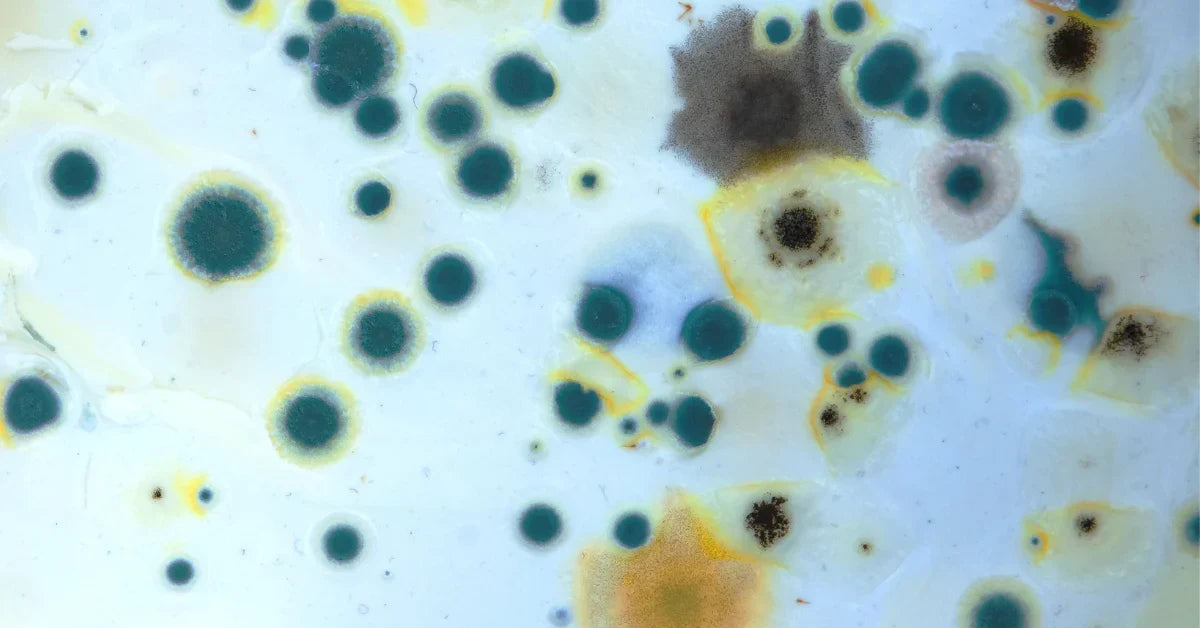
Another great step is to test your nursery. There are numerous kits that will test the air quality of your house. Make sure you follow the directions exactly as written because small mistakes can cause the results to be misleading. If your test results are distressing, contact an indoor air professional to help you determine the source of the problem. Most of the time, it’s going to be a mold related issue which can be stubborn but not impossible to remove. A mold specialist can help you find the source and clean up the problem. Generally speaking, the indoor air professional you hire will likely have some mold experience as well.
Finally, consider buying an air purification unit that is specifically designed to filter the air in your nursery. An air purifier will not only protect your baby from normal irritants in the air – such as dust and other airborne particulates – it will also filter harmful VOCs, chemicals and gases which very young children are especially vulnerable to. Ironically, certain air purifiers can actually emit harmful contaminants; ones made of plastic are known to emit VOCs and ionizers and electrostatic precipitators can produce ozone. Ozone is known to be harmful to humans but is particularly harmful to a baby’s developing lungs. When shopping for an air purifier, be sure to educate yourself and purchase the best one for your family’s needs.

Share:
Dangers of Air Pollution
COPD Awareness Month