
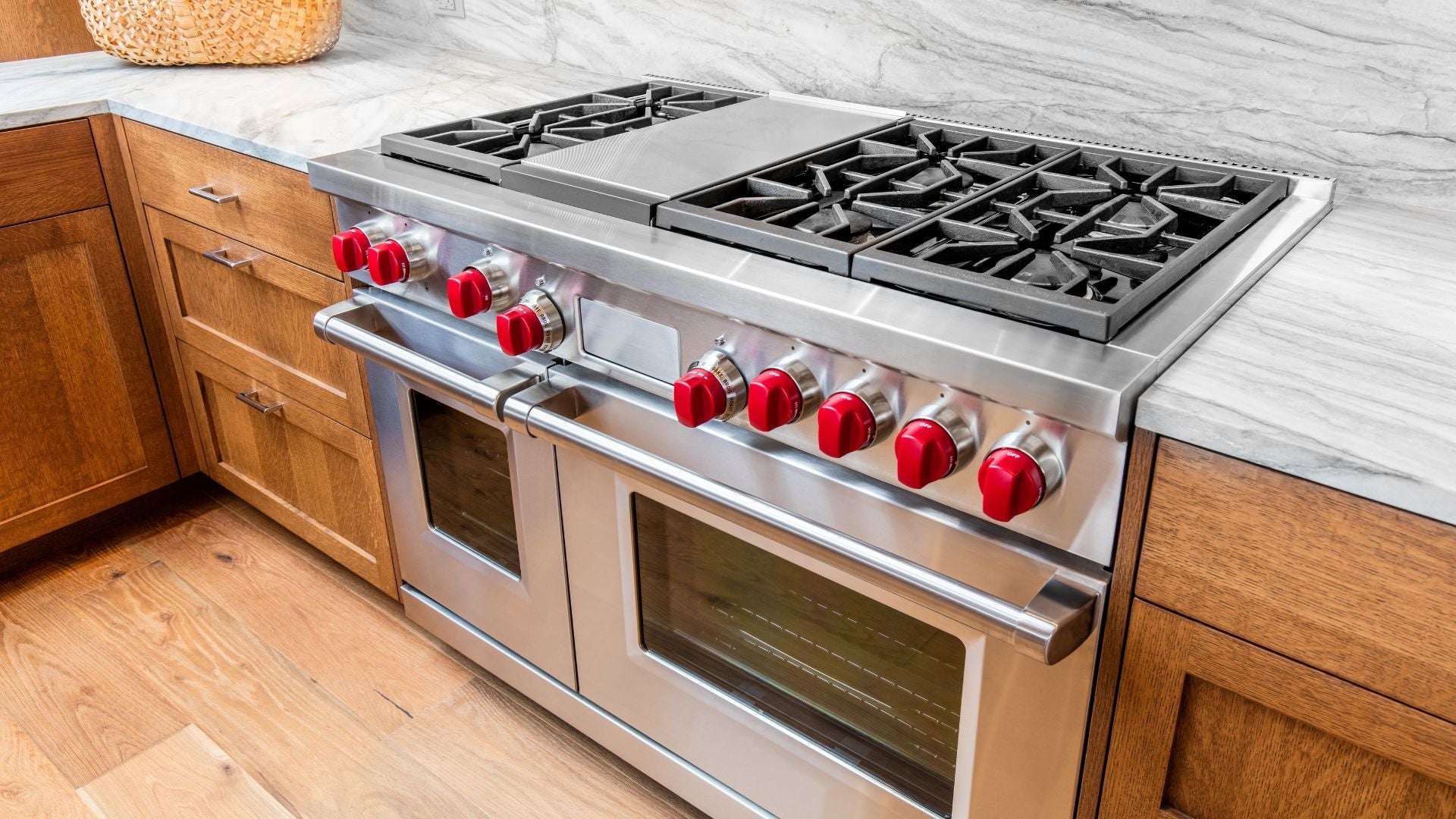
As Thanksgiving is just around the corner, many of us will be cooking up a storm. And while this is a great time with friends and family, we should be aware that cooking with gas stoves is putting harmful pollutants into the air of our homes.
The levels of these pollutants are so high, in fact, health authorities have been warning about them for decades.
This article will discuss what those pollutants are … how they affect people’s health—especially the health of children and those with chronic respiratory issues … and how you can reduce or even eliminate your exposure.
How Gas Stoves and Appliances Put Harmful Chemicals into the Air
When you cook with gas, the stovetop and oven burn fuel to produce heat that cooks your food. This combustion process creates carbon monoxide, carbon dioxide, nitrogen dioxide, and formaldehyde—all toxic gasses.
For example, homes with gas stoves have nitrogen dioxide concentrations 50-400% higher than homes with electric stoves.
These pollutants can cause many health problems—from headaches and fatigue to breast cancer and myeloid leukemia.
How These Pollutants Affect Children and Adults with Chronic Respiratory Issues
Children are especially vulnerable to pollutants. Their lungs are smaller than those of adults, and they breathe faster and take in more air per minute. Therefore, they take in pollutants at a higher rate.
In fact, children living in a home with a gas stove have a 42% higher risk of asthma.
Children also don’t fully develop their immune systems until adulthood. And some children may be more prone to respiratory issues because of their genetic makeup or family history.
Adults with pre-existing conditions such as asthma or emphysema are at risk for complications when exposed to high levels of pollutants from combustion sources such as gas stoves and appliances.
People with COPD may also be at risk due to decreased lung function from exposure over time.
How to Reduce or Prevent Pollution from Cooking
If you use a gas stove, you’re certainly at risk of increased airborne pollutants. Even propane space heaters and other combustion appliances can produce toxic gases.
But to reduce or prevent the release of pollutants into the air, you can…
- Use the range hood over the stove to help trap some of those toxins.
- Turn down the temperature on your stove. Cooking on low heat will reduce the amount of carbon monoxide and other gases produced.
- Use fans while cooking. They’ll help dissipate gases that may be lingering in a confined space. Opening a window will also reduce indoor pollution but contributes to air pollution outside.
- If you have children or pets, consider placing them in different rooms while preparing dinner so they don’t breathe in too much smoke from cooking; this could exacerbate existing health issues, leading to their next visit to the doctor.
Besides switching to electric cooking, the best solution is to use a top-quality air purifier. The HealthMate Plus contains up to 15 pounds of activated carbon to remove toxic gases and other chemicals from the air you breathe.
It also contains potassium iodide-impregnated carbon specifically targeted to remove pollutants such as formaldehyde.
And that’s not all: the HealthMate Plus has 60 square feet of true medical-grade Certified HEPA Material filtration, removing 99% of all airborne contaminants as small as 0.1 microns, including viruses, bacteria, dust, mold, allergens, you name it.
>>Check out the HealthMate Plus from Austin Air.
Conclusion
Cooking with gas stoves releases pollutants into the air that can cause a number of health problems. But with just a few simple changes, you can reduce or even prevent your exposure.
You and your family will be healthier and happier for it, whether through fewer missed school and work days—-or reduced risk of developing chronic respiratory problems later on.


Share:
Breast Cancer and Air Pollution — Is There a Link?
Thanksgiving Tip #2: Don't Just Clean the House, Clean the AIR to Keep Your Guests Safe