

Spring is in the air, and you know it all too well if you suffer from allergies. Spring is just the start of allergy season and the millions of people who suffer from allergies around the world realize it when they start to sneeze and their eyes begin to itch. Once the flowers begin to bloom and the pollen begins to fly, the allergy symptoms are never far behind. Though not difficult to diagnose, allergies are one of the most common chronic conditions around the world. Consulting an Allergist may help to determine specifically what triggers your unpleasant allergy symptoms.
Sometimes it can be difficult to determine whether you are coming down with cold or experiencing allergy symptoms. Symptoms occur as a response to our immune systems becoming hypersensitive or overreacting to harmless things such as pollens, dust mites, animal stings, grass, plants and more. Our body’s reactions may cause a runny nose, watery and/or itchy eyes, sneezing, and coughing. Some allergens stick around all year including dust mites and pet dander but our allergies symptoms worsen during the start of spring.
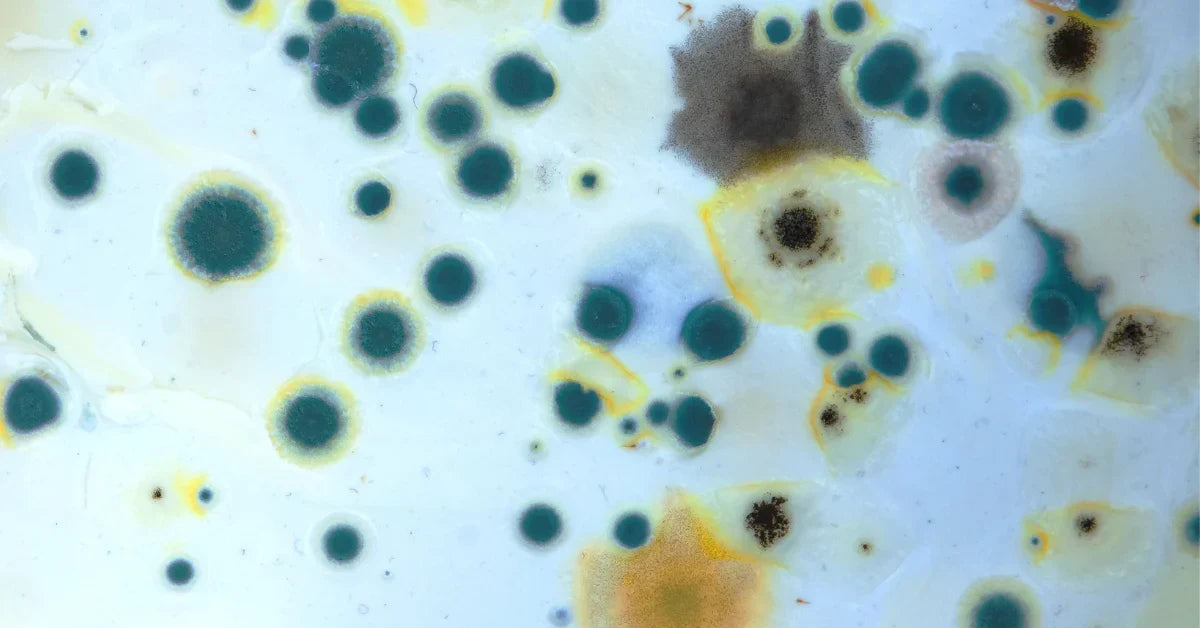
Pollen counts tend to be highest in the earlier parts of the day when humidity is high versus in the evening when the sun is down and cooler air is among us. Mold is another common particulate that tends to be more present during the warmer months due to the high humidity in the air. It can grow quickly and have a significant influence on springtime allergies just like pollen. When you are outside on a warm spring or summer day, wearing sunglasses can be a good idea to keep pollen from getting into your eyes, especially if you wear contacts. Pollen likes to stick to our eyes and even clothing while we are outdoors. When coming inside, consider a fresh change of clothes as there may be pollen stuck to them; this may provide you with some relief.
Nasal sprays and over the counter medications are one of the most common ways to provide relief from allergies. Although medications are not the only way to control your allergies this season, it can be immediately effective. Consider boosting your immune system by taking a multi-vitamin to strengthen and defend your body from annoying springtime allergies.
Many allergy sufferers turn to Austin Air’s Certified HEPA Material filters to help alleviate many of their allergy symptoms. Having an air purifier in your home can help to remove the contaminants that cause symptoms such as sneezing, coughing and wheezing, and can strengthen your immune system to help defend against spring allergies. A Certified HEPA Material air filter will remove up to 99.97% of all particles that are 0.3 microns and larger. The Austin Air Allergy unit may be just what the doctor ordered for those who are highly reactive to dust, pollens and other allergens!
Interested in how you are going to be affected by your allergies today? Check out the Weather Channel’s Allergy Tracker. This helpful link will track which allergen is the main trigger that day including pollen counts, breathing and mold factors in your area. Don’t forget to change it to the city you live in!
If you’ve got any helpful hints for getting through the allergy season – place them in the comments section below! We’d love to hear from you.


Share:
Dietary fiber! …Wait! Don’t let the “F” word scare you away just yet!
Memorial Day Weekend