
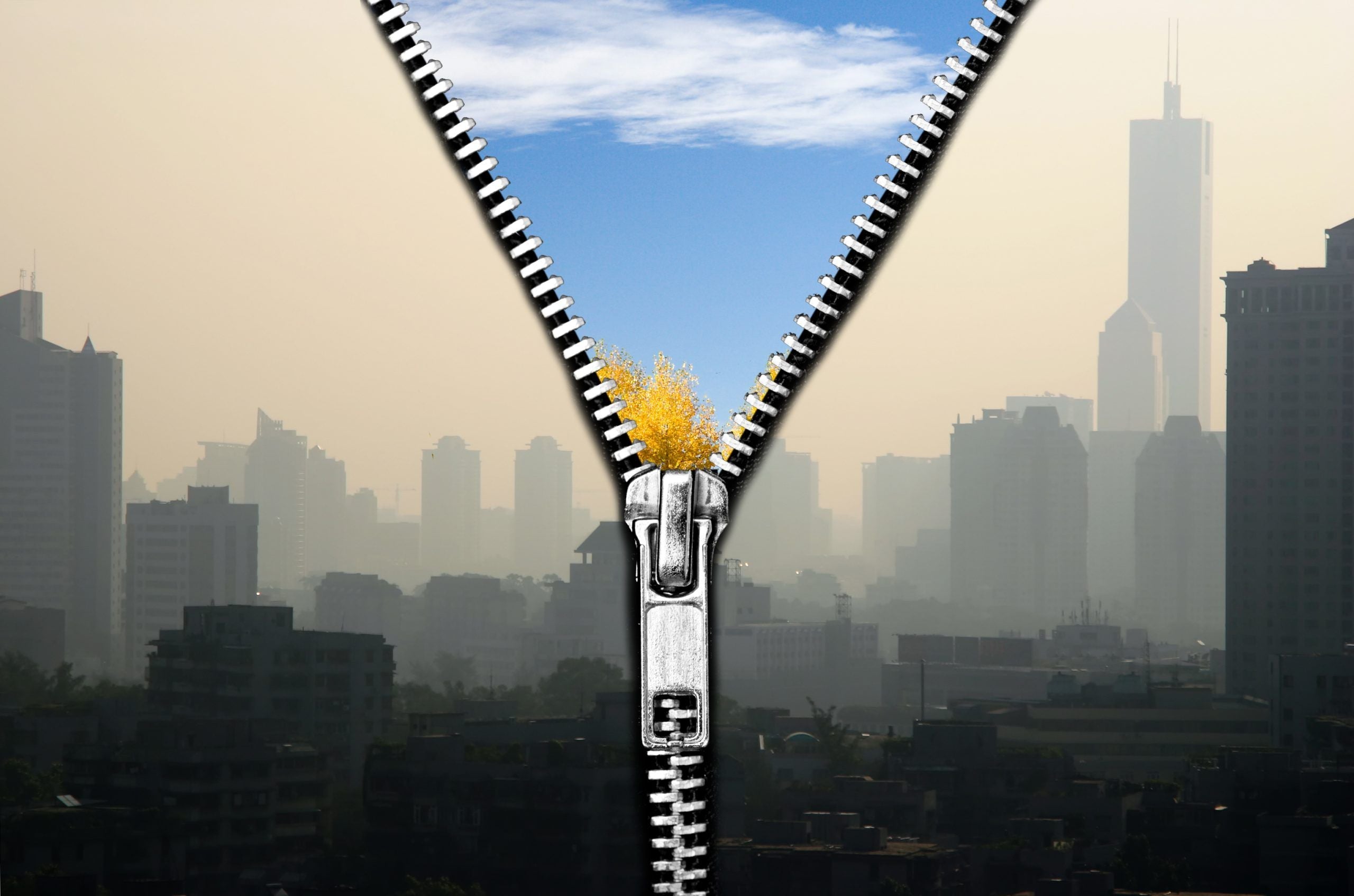
Toxic air… it is responsible for an increase in asthma, heart disease and strokes. It is linked to dementia, birth defects and certain cancers. It affects our ability to think clearly and can shorten our life span significantly.

You may not be able to reduce pollution levels outdoors, but you can take the following simple steps to help avoid exposure. Take the quieter routes. When walking, try to avoid routes near to busy roads. Many big cities have apps that can tell you the best routes to take, to avoid high levels of pollution. Avoid the curb. When waiting at a crossing, take a few steps back to avoid direct contact with traffic fumes. Cover up pushchairs. Infants in prams are lower to the ground and therefore exposed to twice as many pollutants as the adults who push them. Take Vitamin D supplements. According to some studies Vitamin D can help to protect our bodies from the effects of air pollution.

And the need to avoid air pollution doesn’t stop at your front door. There is emerging research to suggest the air inside our homes is causing far more damage than outdoor pollution. So why the shift? According to the experts, there are a number of factors at play.

Airtight homes. Fully insulated, double glazed and completely sealed. Our houses are designed to keep energy bills to a minimum. However, sealing ourselves up in this way plays havoc with the indoor air quality. VOC’S (Volatile Organic Compounds) are emitted from furnishings, flooring and paintwork. Chemicals from cleaners and deodorizers, together with fumes from cooking all increase the levels of pollution in our homes. And with an airtight home, there’s nowhere for them to go, except perhaps into our lungs!

So, what can you do? Open a window, preferably at night when pollution levels outside are at their lowest. Avoid drying clothes in your living space, moisture in the air invites mold. High humidity also increases VOC levels. Take care when cooking. Use an extractor fan to remove fumes or alternatively, open a window. Perhaps the most effective thing you can do is invest in an air cleaner. Our air cleaners use a blend of carbon and Certified HEPA Material cloth. They remove ALL pollutants from the home, including gases, mold, chemicals, dust and allergens.

Air pollution is here to stay. It’s up to us to avoid it when possible and remove it whenever we can.

Leave a comment

Please note, comments need to be approved before they are published.

This site is protected by hCaptcha and the hCaptcha Privacy Policy and Terms of Service apply.

Latest Stories

View all

Your Back-to-School Respiratory Reset: Get Ahead of Cold and Flu Season

Your Back-to-School Respiratory Reset: Get Ahead of Cold and Flu Season

School season is on its way in full swing; You have a head start, so use it. Cold and flu season in North America usually builds through the fall and peaks between December and February—which makes late summer the ideal time to build resilience, not scramble for it.¹ Your defenses aren't fixed. Sleep, food, movement, and the air you breathe measurably change how easily you catch—and shake off—respiratory bugs. There are five factors you can control starting today: Detox your home's air, protect sleep, feed the immune system, move every day, and switch to safer cleaners. It's simple and family-friendly. No doctor's appointment or big budget required. Most of it you can do with your kids this week. Cleaner indoor air ties it together. It's the backdrop to everything else—and where the free Parent-Teacher Toolkit and the 8-phase Immunity Machine come in.


Read moreabout Your Back-to-School Respiratory Reset: Get Ahead of Cold and Flu Season

New CDC Mold Data (2026): What It Really Means

New CDC Mold Data (2026): What It Really Means

The first CDC study to measure invasive mold disease—who’s actually at risk, and what it means for the air in your home. In late July 2026, the CDC published the first systematic estimate of how often invasive mold disease occurs in American hospitals. Researchers reviewed 968 possible cases at four Atlanta-area hospitals between 2020 and 2024 and confirmed nearly 450 of them as invasive mold disease. This disease is a serious infection in which mold moves from the airways into the lungs, sinuses, skin, or bloodstream, . ¹

Read moreabout New CDC Mold Data (2026): What It Really Means

The Travesty No One Is Reporting: Schools Are Throwing Away the Air Purifiers Our Kids Still Need

The Travesty No One Is Reporting: Schools Are Throwing Away the Air Purifiers Our Kids Still Need

Five or six years ago, putting air purifiers in classrooms was front-page news. Today those same machines are being sold on eBay, stacked in storage sheds, and left at the curb for the garbage truck—while asthmatic children sit in the very rooms they were bought to protect. Here is why every parent and teacher should be paying attention.

Read moreabout The Travesty No One Is Reporting: Schools Are Throwing Away the Air Purifiers Our Kids Still Need