 At night, when you place a nasal strip over the bridge of your nose, you hope to reduce snoring and overcome nighttime congestion caused by colds, dust, allergies and air contamination. This strip expands your nasal passage and allows you to breathe freely. In fact, it forces open an inflamed, swelling nasal passageway that is reacting to your home’s airborne polluting particles. Unfortunately, these strips are treating the symptoms and not offering a cure. You need to be solving the inflammation, the source of your discomfort and sleeplessness. You need to clean the air around you that contains the allergy and asthma triggers, irritating particulate matter, bedroom pollution, pet odors, floating harmful chemicals and the nauseous gases. When clean, there will be no nasal irritation. Where there are no irritants ,there is no swelling and mucus built up. Your nasal passages return to normal and you will sleep.
 The Bedroom Machine is a new air purification system from Austin Air developed with Johns Hopkins University Medical School and chosen by the National Sleep Foundation to improve the quality of you sleep.
What Inflames Your Nasal Passages?
When we inhale, air begins a journey through tiny nose hairs that trap unwanted foreign particulates while a sticky liquid called mucus catches many of the germs and bacteria. This is nature’s cleansing filter that insures clean air and protects the respiratory system from outside hazards. Dangerous toxins, contaminants and harmful air particles are removed. When irritants enter this biological process, the membrane connecting the sinuses and nasal passages react by attacking the invaders. In turn, the membrane becomes inflamed. During this invasion, mucus cannot be evacuated and infection appears. With allergies, this membrane can also become inflamed, even when the air particles pose no danger to your health.
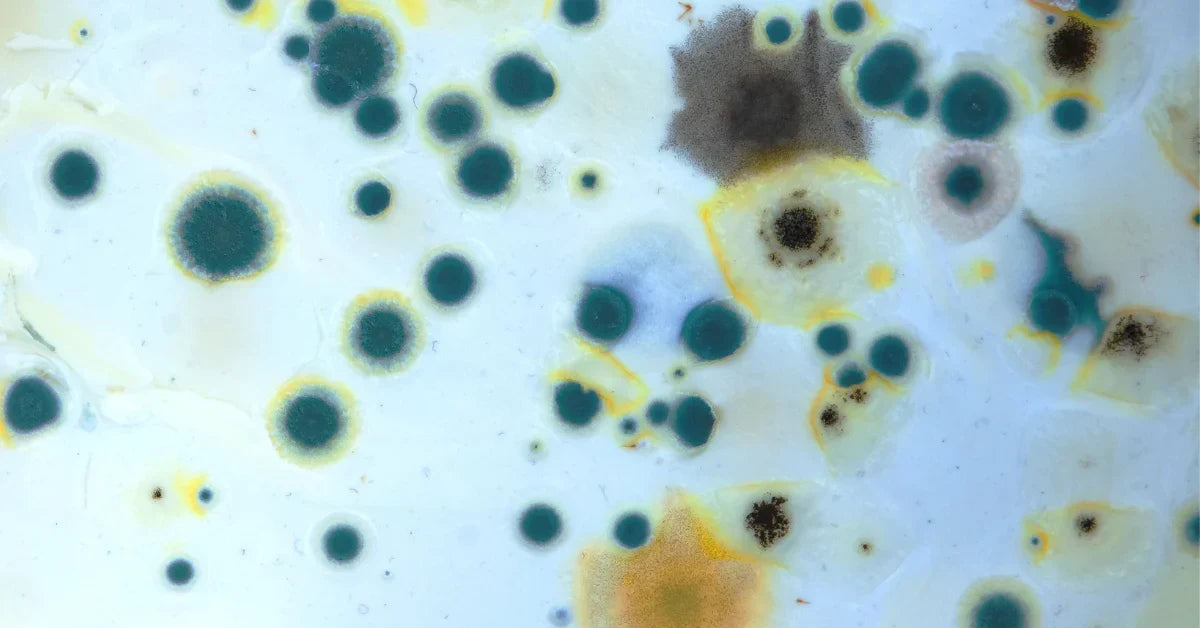
Foreign particulates, germs and bacteria come from dust in the air, pollen, pet dander, automotive emissions, allergens, asthma triggers, insects, mold and mildew. These inflaming elements can be very large to very small. They can be from colds, viruses, upholstered furniture, kitchen cabinets, fuel-burning furnishes, dry-cleaned clothes and a host of other sources. In fact, most airborne contamination in our home originates from within the home and its contents.
What Can I Do To Sleep?
In severe cases, go to a doctor about your allergies for testing and prescription treatments. Your physician will evaluate your allergy reactions and observe immune responses. With this knowledge, you may be prescribed medications. You also should frequently clean your home, remove sources of organic gases, look for fireplace leaks and keep indoor temperatures comfortable while keeping humidity below 50%.
After you have gone to the doctor and cleaned and removed the sources of airborne elements, what’s next? You still have hundreds if not thousands of invading inflamers still floating in the home. How do you remove them? You can get a pet machine, an asthma machine or any other specific system to try to fix the nasal passage swelling. Or, you can get the high quality Bedroom Machine. This unit is built to address the full gambit of home invaders. Foreign objects, annual and seasonal allergies, mold spores, viruses and other elements will be removed from the air. Your nose will not be inflamed because the invaders will not reach your nose.
 Conclusion
See a doctor, clean, remove air contaminating sources. Next, improve air quality by reducing the sources of irritation and swelling of the nasal passage. Get the Bedroom Machine. This system has five levels of filtration starting with the two layers of large and medium particulate pre-filters. The next layer is a High Efficiency Particulate Arresting (Certified HEPA Material) medical grade filter capable of removing nano size airborne matter. The fourth layer is a carbon blend cloth that removes chemicals, odors and gases. And finally, there is the High Efficiency Arresting Gas (HEGA) for removing allergens.
It’s hard to predict what airborne elements will affect your sleep in an environment that is constantly fluctuating. Being prepared with the Bedroom Machine is the cure and you will no longer need a nasal strip to treat the symptoms ever again.


Share:
Austin Air Purifiers on the Today Show
8 Tips to Create a Sleep Sanctuary