
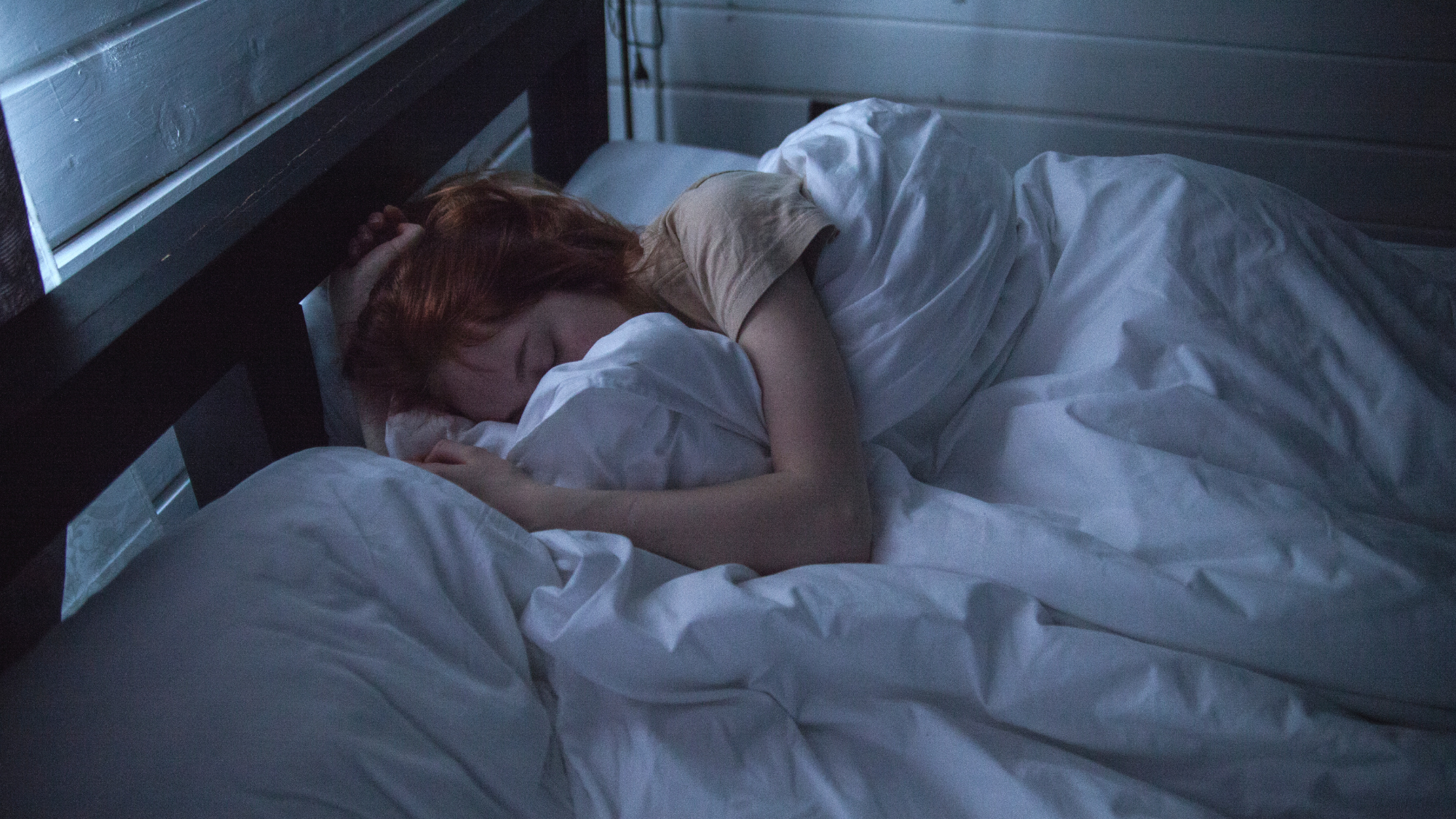
Nearly 50% of people in the US experience problems sleeping. Whether from anxiety, health problems, noise, or daytime activities, sleep problems can make it hard to be productive in your day-to-day life.
Running an air purifier while you sleep can improve your sleep quality and be crucial to a sound sleep hygiene routine. When we think of this, we usually think of the health benefits that come from the removal of pollutants from the air.
But did you know the air purifier’s sound can be a sleep aid?
How Can Background Noise Help You Sleep?
When you can’t eliminate noise from the bedroom, adding background noise like white, pink, or brown noise can reduce the impact of other noises. Background noise can raise one’s hearing threshold, or how loud a sound must be to be picked up by a listener, making other noises more difficult to hear.
Babies and Children
Up to 30% of children have difficulties sleeping (1). Using an Austin Air purifier as background noise while a baby or child sleeps is a sound way to help them sleep better. Not only may the background noise help, but an air purifier will remove pollutants from the air, protecting this vulnerable group while they sleep.
White Noise
White noise is one of the most popular strategies for improving sleep. It blends similar sounds played at the same intensity and volume. It’s not just background noise – it’s distinctly characterized by being comparable to radio static. Many experts recommend it as a sleep aid, especially for infants, shift workers, and hospitalized patients.
Running your Austin Air purifier on setting I or II produces white noise.
White noise can mask and reduce the impact of other sounds while you sleep. This is known as auditory masking, which can reduce anxiety by itself. White noise can change the hearing threshold as background noise, reducing brain stimulation and anxiety (2).
Research also shows white noise can help 80% of infants fall asleep in five minutes (3) and increase sleep in colicky babies (4). The American Academy of Pediatrics also recommends white noise to help babies sleep (5). This is because white noise activates babies’ inherent calming reflexes.
According to Dr. David Lawton, MD, a family physician in East Aurora, NY, and Austin Air user, “Setting III is approximately 60 decibels, far below what a baby experiences in utero.”
Some say white noise may damage a baby’s hearing. But playing at an appropriate level, this is not true. Studies show sound inside the womb can reach over 90 decibels (6). But, to calm a wailing baby, you’ll want to increase the volume to match your little one’s crying.
Decibel Levels
As a general guideline, white noise should be played at 50-60 decibels, the range of volume Austin Air purifiers run within.
However, there are some instances where people, like Tim, an Austin Air user, prefer louder white noise.
“I like the sound because it drowns out any background noise and helps me sleep more osoundly, without interruptions,” Tim said. “I also like that it moves more air, almost giving the effect of a fan, but without spreading dirt and dust around the air. It’s actually cleaning the air, not making it dirtier.”
Pink Noise
Pink noise is similar to white noise because it’s a constant background sound that masks other sounds. But it’s different in pitch. It uses deeper sounds and waves, so some may find it gentler and more soothing. It’s more even and flat than white noise – more like light rain or wind than static.
Brown Noise
Like white and pink noise, brown noise is a consistent background noise that hides other sounds. But it’s even more profound than pink noise. It sounds like a rainstorm.
How to Use White Noise to Sleep Better
- Set a consistent wake and sleep schedule, and stick to it every day. Waking and sleeping each day simultaneously conditions your body to wind down at bedtime.
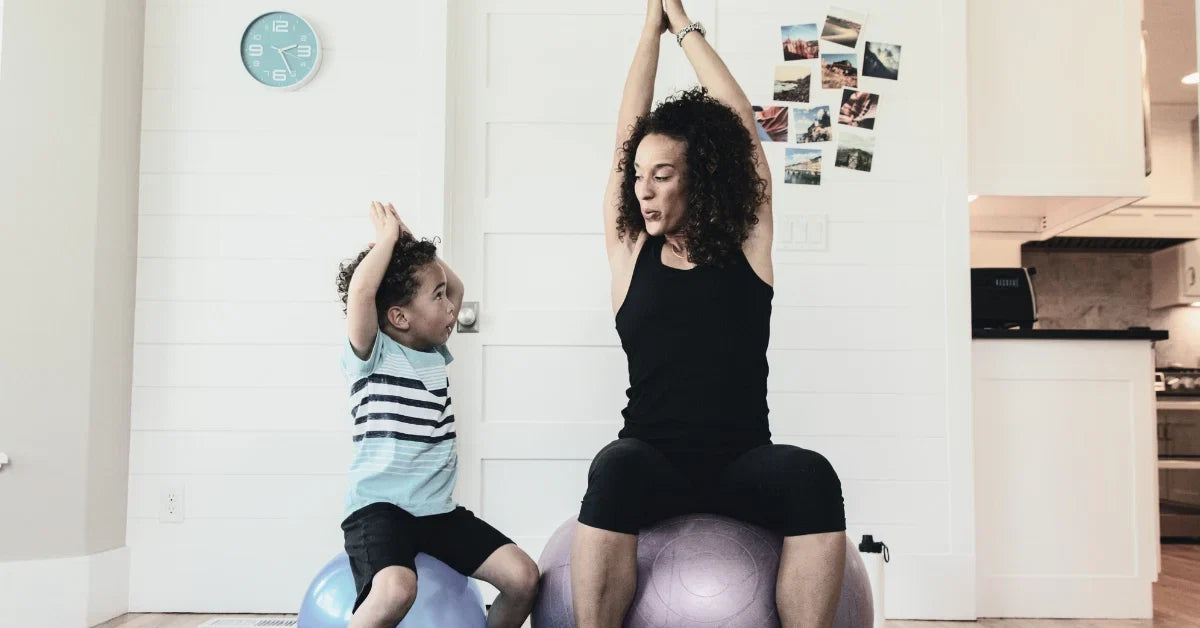
- Before bed, engage in calming activities like yoga, reading, listening to calming music, meditation, or stretching.
- Maintain an optimal sleep environment with air purification, a cool temperature, a comfortable mattress and bedding, and a dark room.
- Use white noise from your air purifier to fall asleep and stay asleep.
References:
- https://www.sleepfoundation.org/children-and-sleep/sleep-disorders-in-children#:~:text=Insomnia%20is%20one%20of%20the,in%20children%20into%20three%20categories.
- https://www.ijehe.org/article.asp?issn=2277-9183;year=2022;volume=11;issue=1;spage=2;epage=2;aulast=Shahrokhi#:~:text=White%20noise%20leads%20to%20masking,brain%20stimulation%20and%20anxiety%20levels
- https://www.ncbi.nlm.nih.gov/pmc/articles/PMC1792397/
- https://pubmed.ncbi.nlm.nih.gov/28618052/
- https://www.healthychildren.org/English/ages-stages/baby/crying-colic/Pages/Calming-A-Fussy-Baby.aspx
- https://journals.lww.com/obgynsurvey/abstract/1993/09000/loud_noise_and_pregnancy.5.aspx

Share:
Austin Air is Helping College Students Get Clean Air on Campus
The Nightly Brain Flush Blog