
‘Tis the Season for Indoor Air Pollution!
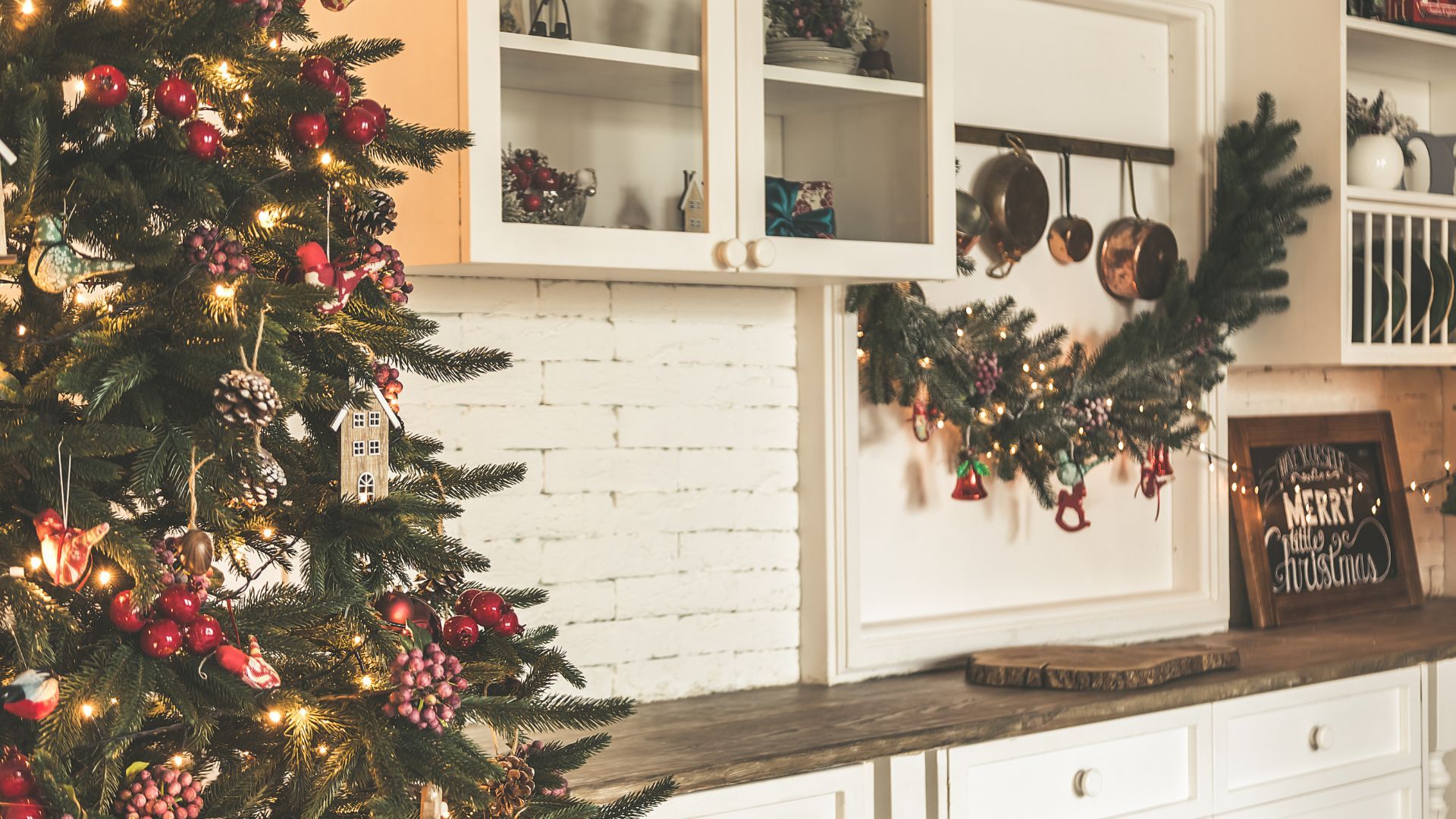
With Christmas fast approaching, it’s time to decorate your home. Candles, scent sticks, wreaths—we love ‘em. But these festive decorations release toxic air pollutants into our homes.
There’s a lot of research on how air pollution harms people—especially those with respiratory problems such as asthma and COPD. To protect your family’s health during the holidays, here are some tips for reducing indoor air pollution.
Artificially Scented Products Release Toxic Chemicals
The chemicals in artificially scented products, such as candles, scent sticks, garland, holiday air fresheners, and wreaths, are toxic and dangerous to our health. They can release benzene, aldehydes, formaldehyde, and other toxic chemicals linked to cancer and birth defects.
The most common symptoms associated with exposure include headaches, nausea, dizziness, allergic reactions, and irritation of the eyes and nose. Severe cases can involve asthma attacks or even chemical burns.
There are many alternatives to the use of artificially scented products. Assuming you have an electric stovetop (gas stovetops release harmful chemicals), you can simmer cinnamon sticks, vanilla beans, or cloves in a pot. Or even use essential oils to infuse your house with pleasant aromas.
Here’s a trick if you’re looking for a safer alternative to air fresheners: take a bowl of baking soda and put 15 to 25 drops of an essential oil in it. Then place the bowl in any area you’d like to deodorize (out of the reach of children and pets).
Christmas Trees Can Release Pollutants
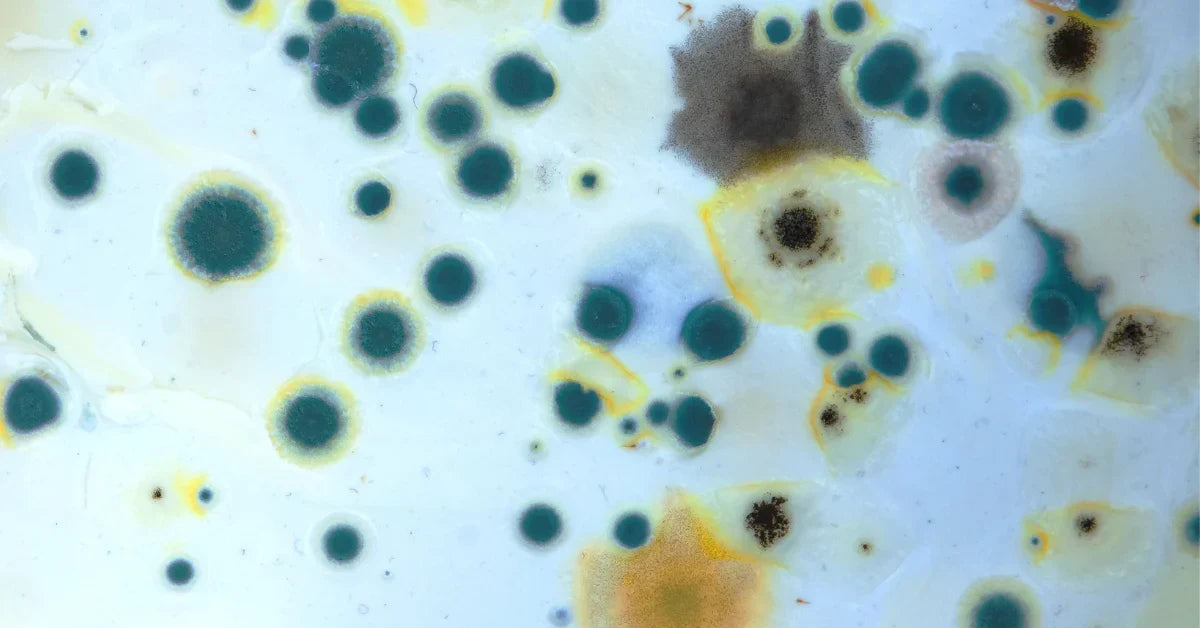
Real Christmas trees are another source of contaminants. Every year, millions purchase real trees for the holidays. However, recent studies have shown they release allergens such as mold and pollen into the air. These chemicals can cause wheezing, sneezing, and skin rashes.
Artificial trees are a popular alternative, but because they’re made with polyvinyl chloride (PVC), they release phthalates, which can disrupt hormones.
Fumes from Cleaners
The chemicals in ammonia and spray cleaners can be harmful to your health, especially if you have asthma or allergies. They can also irritate the eyes and lungs if you breathe them in or get them on your skin.
You can avoid these problems by using natural cleaners such as vinegar, baking soda, and lemon juice. Vinegar is safe to use around the house. You can use it for cleaning, disinfecting, and deodorizing. It’s also a great way to remove stains from countertops, floors, and walls.
How to Reduce Indoor Air Pollution When Decorating for Christmas
During winter, most of us have our windows closed. That means most of these chemicals are getting trapped inside the home (on top of other pollutants from cars and industry emissions). It’s vital to reduce indoor air pollution as much as possible, especially over the holidays.
To reduce indoor air pollution this Christmas, follow these tips:
- Open a window when cleaning. Harsh cleaning products release noxious fumes and cause headaches, nausea, and other health problems. This is especially important if you have children in your home, as they may be more sensitive because of their developing lungs.
- Better yet: use natural cleaners such as vinegar. Try mixing it with baking soda for deeper cleaning.
- Air out the house regularly. Fresh air is essential to good indoor air quality, so open windows from time to time to allow outside air in, even during the cold winter months.
- Use natural air fresheners such as baking soda and essential oils.
- Use an air purifier with plenty of Certified HEPA Material and activated carbon.
The Austin Air HealthMate contains 60 square feet of true Medical-Grade Certified HEPA Material filtration, removing 99% of all airborne contaminants as small as 0.1 microns. That includes allergens from Christmas trees and even viruses.
The HealthMate also contains up to 15 pounds of activated carbon to remove toxic chemicals from the air.
No other air purifier comes close.
>>Learn More about the HealthMate from Austin Air.
Conclusion
I hope this article has helped you understand how Christmas decorating can jeopardize your health—and some simple things you can do to prevent it. It is possible to have a beautiful, festive home without damaging your health or the health of those around you. Enjoy the season!


Share:
Thanksgiving Tip #3: Cozy Air Isn't Always Clean Air
The Perfect Christmas Gift for the Health-Conscious Person on Your List