
We talked last week about ways you can protect yourself from outdoor air pollution. This week we’ll take a look at how, with a few changes around the home, we can reduce our exposure to indoor air pollutants that are often overlooked.
Household cleaners, furnishings, pet dander, dust, pollen and inadequate ventilation can all contribute to poor indoor air quality. And as we try to keep our homes well insulated, sealed and energy efficient, airborne pollutants remain trapped inside. So to help you keep the air in your home safe and clean, we’ve put together a list of hints and tips.
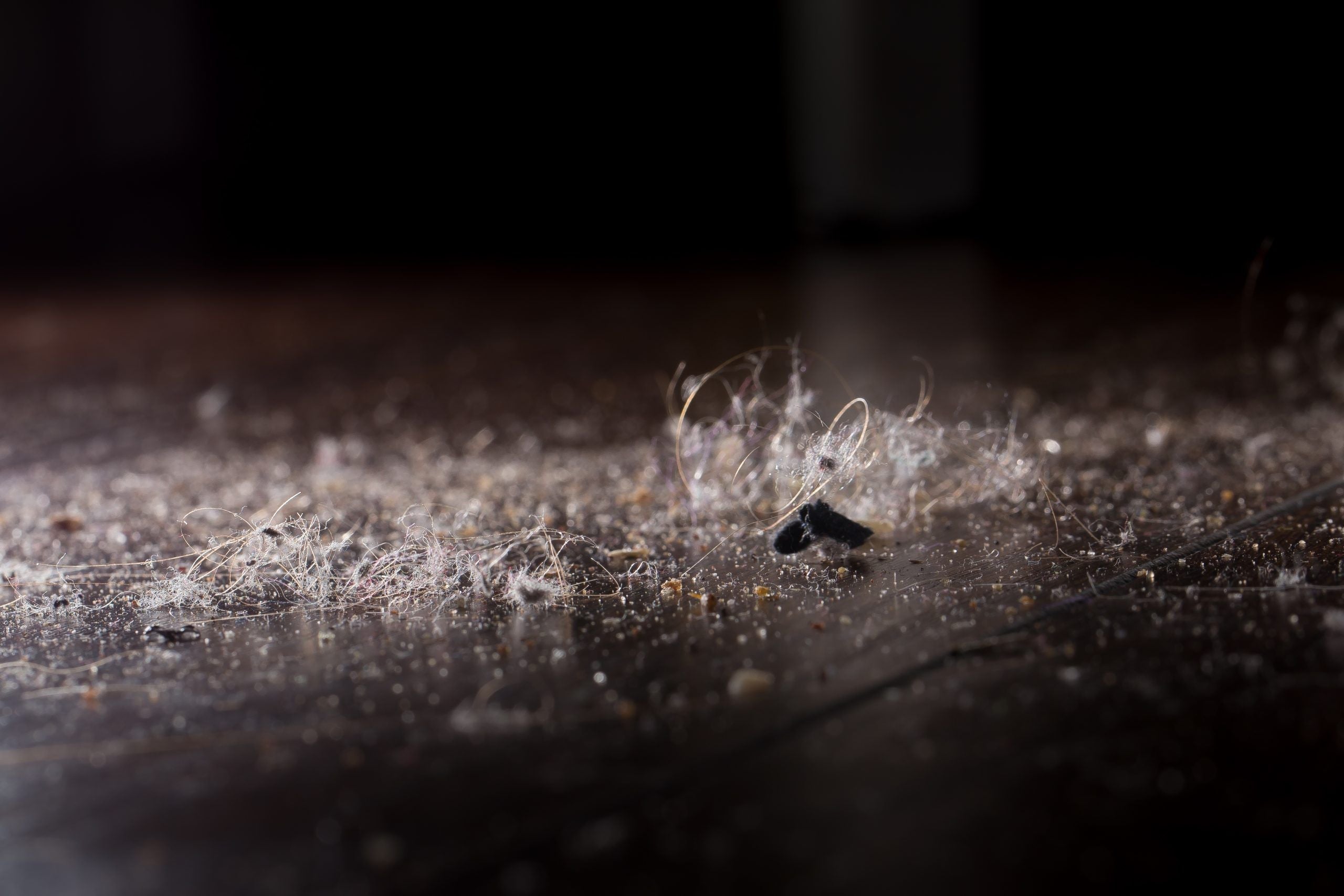
Try to keep dust to a minimum. Not always easy we know, but soft furnishings and carpets can trap dust. If possible, remove carpets and rugs, opt for wooden floors that are easy to clean. Avoid clutter, as this also helps to minimize dust and makes cleaning much faster and easier. Vacuum regularly and wipe down surfaces with a damp cloth, to avoid dust escaping back into the air.
Be sure to store household cleaners and chemicals correctly. Many cleaning products emit chemicals into the air that can play havoc with our lungs.
Aim to remove household odors rather than masking them. Household air fresheners may smell great but the chemicals used can have a serious effect on our respiratory health.
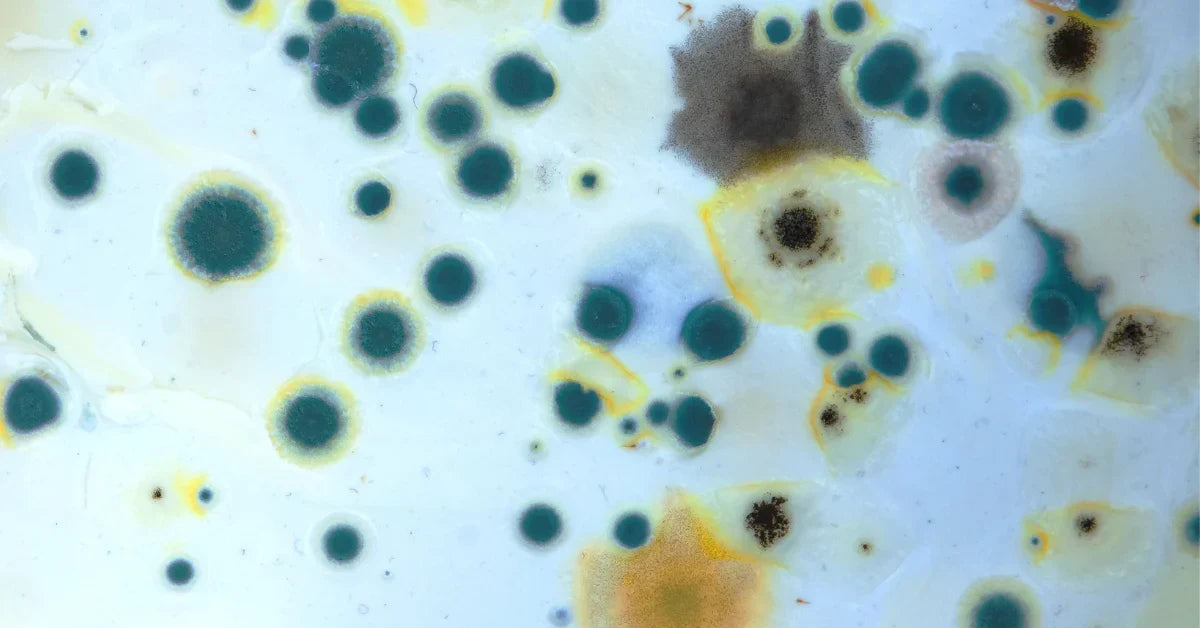
Ensure your home is well ventilated. Modern homes are often well sealed to ensure they are energy efficient. Great for your heating bill but not so good for air quality. A good ventilation system will ensure airborne pollutants are not trapped inside. Effective ventilation also helps to reduce the risk of mold in the home, another major source of indoor pollution.
Do as they do in Japan and remove shoes at the door. Not only will this keep indoor flooring clean, it keeps allergens, pollutants and chemicals at the door too.
If you have a gas stove, make sure it is well ventilated. Gas stoves emit Nitrogen Dioxide, which can be a particular danger for people with ongoing respiratory problems.
Wash bedding regularly, ideally at high temperatures, to guarantee you’re not sharing your bed with any unwanted guests!
And finally, invest in an air purifier. A good quality indoor air purifier, such as the Austin Air Healthmate™, Healthmate Plus™ and Bedroom Machine™ will take care of ALL the pollutants talked about here. Our clinically proven filter technology removes chemicals, dust, allergens, pet dander, VOC’s, formaldehydes and mold. Leaving the air in your home safe and clean.
For more on our range of products and how they can help you, follow this link.


Share:
How to protect yourself from air pollution
Hypersensitivity Pneumonitis