
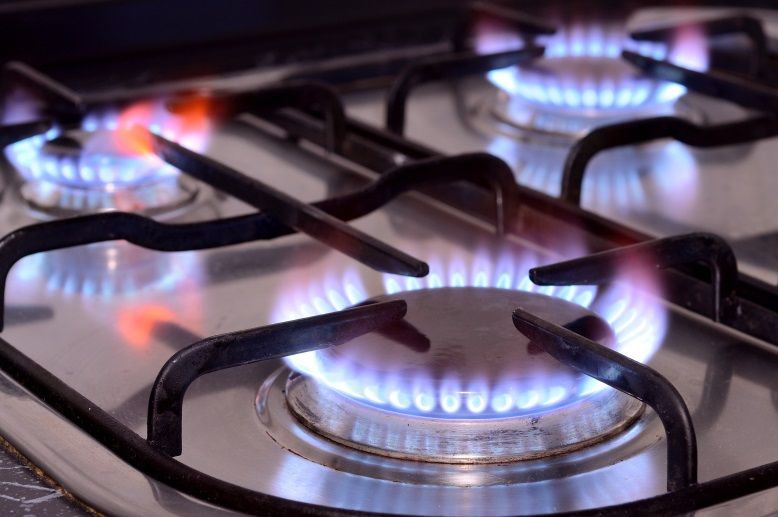
Nearly half the world’s population relies on burning fuels for heating their homes, turning on the lights and cooking.
In underdeveloped countries around the world, burning fuel in your home is, simply, a way of life. We are all familiar with outdoor air pollution, but have you ever considered the air quality in your home?
Household air pollution not only contributes to poor outdoor air quality, but is also responsible for over 4 million deaths across the world each year. According to the study published in the journal Circulation, long term exposure to household air pollution may be increasing your risk of heart attacks and possibly even death.
Researchers studied more than 50,000 individuals over a 4 year period in northeastern Iran, measuring household air pollution exposure from fuel sources. Exposure was measured from the household’s air pollution from burning wood, kerosene, diesel, natural gas and cow dung. After experts followed up with its participants, they concluded that there was direct link between indoor air pollution and the increased risk of heart attacks. In-home exposure to these polluted fuel sources was identified with higher risks of mortality from cardiovascular disease.
According to the World Health Organization (WHO), the concerns of household air pollution are not being stressed enough and the solutions proposed thus far have proven ineffective. Their air quality guidelines are focusing on the underdeveloped countries, as their air pollution remains among the highest in the world. Along with attempts to gain support from environmental health programs, a primary focus has been to improve cooking stoves. Through the decades, cooking stoves have been improving, yet air pollution levels remained higher than WHO standards. The goal is now to improve these stoves so they are fuel efficient and will produce lower emissions so that it translates into positive health outcomes.
Primarily women have been known to be exposed more frequently to these air pollutants as they are typically the caregivers inside their homes. Luckily, 58% of the participants in this study were women.
The results and statistics the researchers found were alarming, to say the least. The participants in this study who regularly burned diesel or kerosene fuel had:
• 6% higher risk of dying from all causes during a 10 year period
• 11% increased risk of cardiovascular death
• 14% increase in clot-caused heart disease
On a lighter note, those who use natural gas had a 6% lower risk of cardiovascular problems in comparison to other burning fuels.
Even if you aren’t burning fuels like these to heat your home, indoor air pollution is still found in our homes. Heart disease is the number one cause of death in the world, while air pollution is the number one environmental health risk in the world. With an existing heart problem, the two of these together are a toxic combination.
How Austin Air Can Help
Having Austin Air purifiers throughout your home can significantly reduce the amount of air pollutants in your home. The activated carbon in our filters is capable of adsorbing major offenders such as chemicals and gasses. The true medical-grade Certified HEPA Material in each Austin Air filter removes small particles such as dust, smoke and pollen. If you are looking for some further information on what particulates, gasses and chemicals Austin Air’s units filter, here is a link to our “Capacity Index for Gases, Vapors and Fumes Removed by Austin Air Healthmate™ Products” or give us a call at 1-800-724-8403 and one of our customer service representative would love to help you out!



Share:
Air Quality Action Days
Wildfire Season Starting Early in 2018