How do I reduce indoor air pollution in a child’s bedroom? Can you begin air pollution control to reduce allergies and air irritants? Can I have clean air in our baby’s room? These questions can be addressed with good cleaning habits, choices we make on household goods and high-quality Austin Air Purifiers.
With houses so tightly constructed, air pollutants accumulate and reduce indoor air quality. Outside air enters our house through doors and windows and then mixes with indoor environmental elements, toxins and other contaminant sources. Outside pollens, allergens, industrial smoke combine with inside tobacco smoke, pet dander, dust mites, interior paints odors, rugs, furniture emissions, and other environmental sources. The accumulative impact does affect our breathing and even worse, creates both near and long-term health problems for our children. We experience asthma, allergies, lung problems and in general, declining health. It is now time to improve indoor air quality and reduce, and in some cases, eliminate the harmful impact of bad air in your baby’s room.
Our Environment – Sources of Pollution
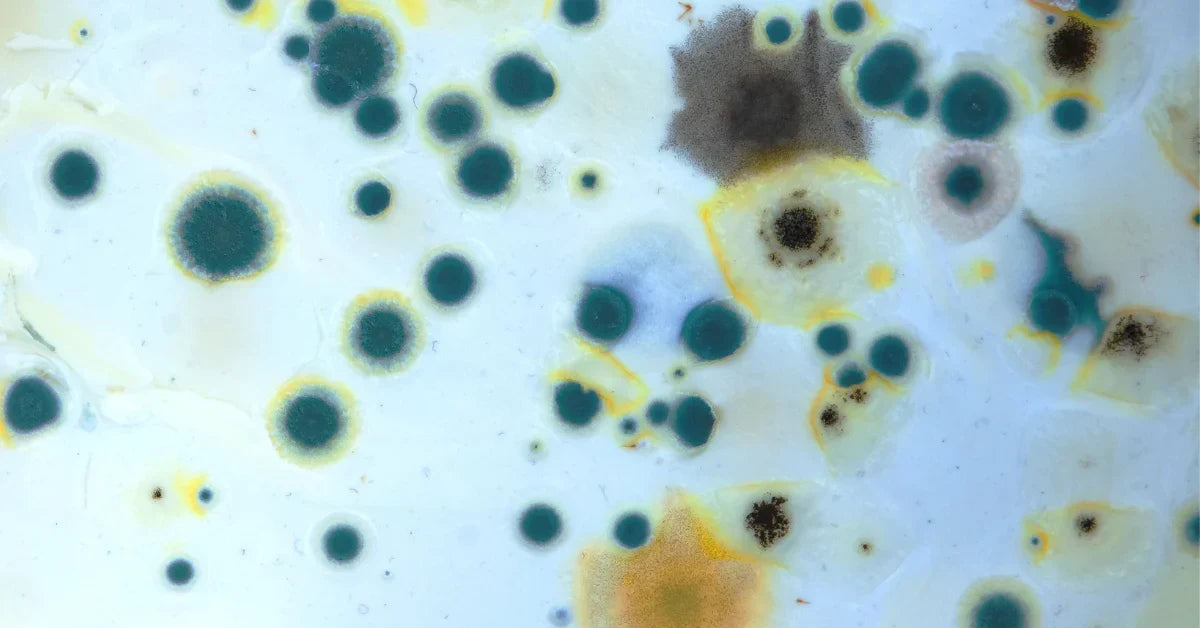
Biological sources of pollution are found in the home. These include mold and mildew, thriving on moisture with some molds being very deadly. Additional contaminates are pet dander, dust, dust mites, pollen and even cockroaches, often recognized as allergens.
Environmental smoke from industrial sources and cigarette smoke are pollutants. These smokes, particularly secondhand cigarette smoke, introduce a host of health problems including asthma, bronchitis and other chronic health problems. There are often several thousand chemicals in these smokes.
Volatile Organic Compounds (VOCs) are toxins emanating from everyday products that surround us, releasing gasses into the air. Sources include carpets, paint chemicals, preservatives, wood stains, aerosol sprays, cleaning products, pest repellents, nail polish and even, dry-cleaned clothing. Ethylene, formaldehyde, and benzene are often used in these produces. These chemicals are known to cause cancer, liver damage and other severe body harm. These common consumer products create a major health risk.
Children are at Risk
Air pollutants affect our children. The early years are when children experience accelerated body development and have higher metabolisms than adults have. They are more active, eat more, and in fact, breathe more air proportional to their bodies. In short, children are more affected from airborne toxins than adults are. This impact can be permanent. Lung capacity can be diminished when these children grow up into adults. Immune systems can be compromised and long-term chronic health issues can persist such as allergies, lupus, and other lung diseases.
Improve Air Quality
A high quality Austin Air Purifier should be installed in your baby’s nursery like a HealthMate or HealthMate Plus. It helps your baby sleep while delivering some of the best protection you can find to insure your baby’s overall health. Austin Air cleaners also capture unwanted allergens, pollen, dust, tobacco smoke, dander, chemical emissions, environmental smoke, and other environmental odors.
Go to the source and make changes by removing them from the baby’s room. To address biological factors start by keeping your child’s room below a humidity level of 50 percent. Mold and dust mites cannot grow in such a dry environment. Keep air circulating and regularly change furnace and air-conditioning filters. Dust often with a hot wet towel, vacuum floors with a Certified HEPA Material filter system, clean rugs with dry steam, remove unnecessary dust gatherers, and keep pets out of the room. You can manage Volatile Organic Compounds (VOCs) by storing clothes in airtight containers, limiting the use of pesticides, seeking safe cleaning agents, not using aerosol sprays, staying away from air fresheners, covering walls with health friendly non-gas emitting paints, furnish with “safe finish” furniture and stay away for chemical solvents.


Share:
Air Pollution Effects on our Children
Removing Pet Odors, Allergens and Dander with Austin Air