
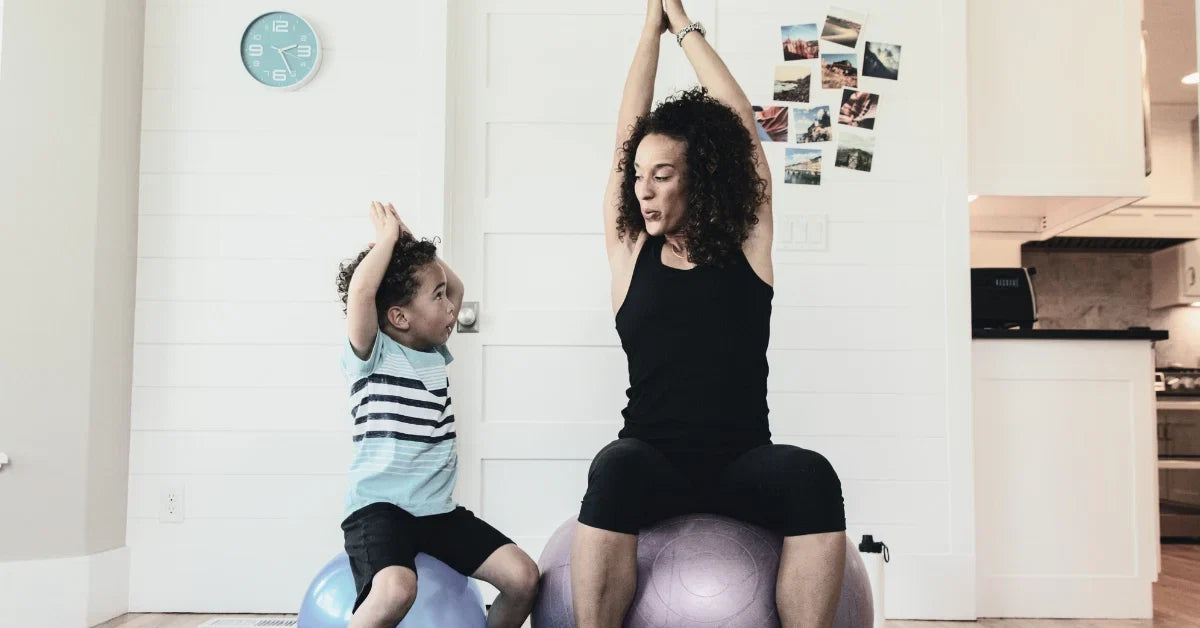
As the new school year starts, the latest findings from scientists at Columbia University are of particular relevance. The team have been looking at how prenatal exposure to air pollution can have a damaging effect on a child’s ability to learn.
Air pollution affects a child’s development
They found that early exposure to air pollution affects something known as ‘Inhibitory Control’. Inhibitory Control refers to a person’s ability to override a common response and replace it with a more unusual one. For example our natural response to being shown a red stop light is to say ‘stop’. Our Inhibitory Control enables us to say the opposite, in this example, it would be ‘go’.
This skill starts as a pre-schooler and is an important part of a child’s early cognitive development. Poor Inhibitory Control often leads to poor academic results in spelling, reading comprehension and math skills.
Earlier studies show clean air helps to boost a child’s performance in class
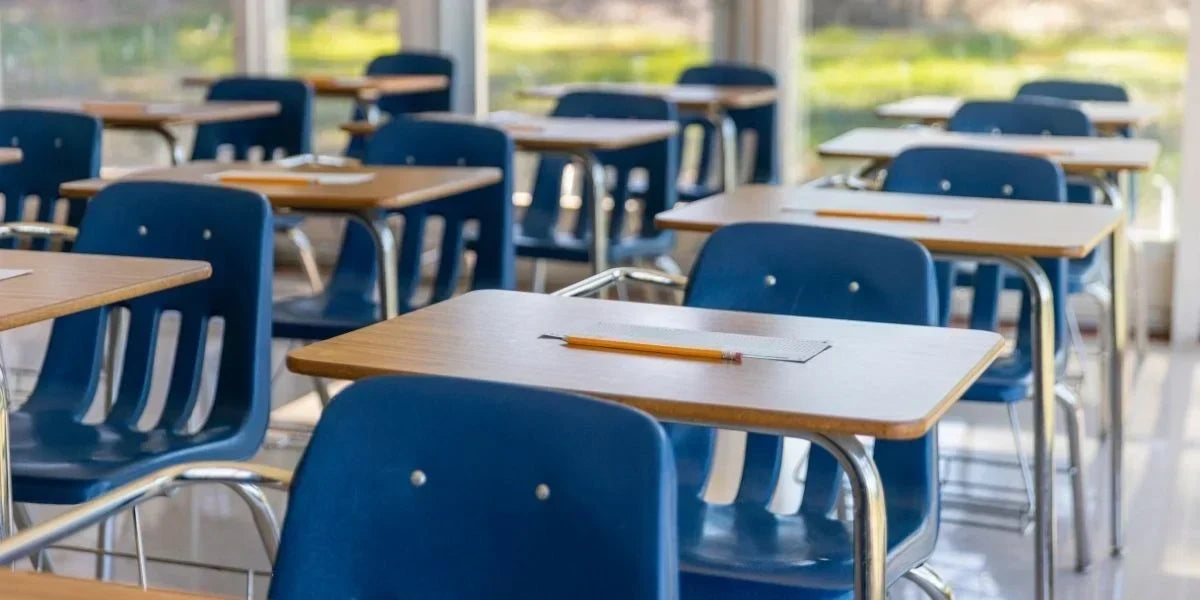
This is not the first time that air pollution has been linked to a child’s ability to perform well in school. A study from Annenberg Brown University found that running an air purifier in the classroom to improve air quality, boosted test scores in the same way as reducing the class size by 30%. The study took place in 2016, when a number of air purifiers were installed in classrooms close to the site of the Aliso Canyon gas leak in California. By the time the air purifiers were installed, the gas from the leak had disappeared, so the air purifiers were used to remove the everyday pollutants found in a classroom. Within just a few months, children’s test results in Math and English improved in the same they would if class sizes were reduced.
Children are potential super spreaders
As the new academic year starts, many parents will be apprehensive about sending their children back to school. We know that children are far less likely to suffer the serious symptoms of Covid-19, but as case numbers continue to climb, it’s a worrying time. And if children pick up the virus in school, there’s a chance they will bring it home and pass it on to other family members without even realizing.
We’re working towards a safe return to school
We all want the very best for our children, to see them continue with their studies, spend time with their friends and achieve their goals. In order to ensure a safe return to school, ventilation in the classroom is key. Here at Austin Air, we’ve been working with a number of schools across the country, to help them prepare for the new school term.
Installing Certified HEPA Material filtration in each classroom gives teachers, parents and students the peace of mind they need and guarantees children can perform to the best of their ability.
If you’d like more info on our air purifiers for schools, why not visit our SHOP page today.
Share:
Increase in Covid-19 cases and a difficult wildfire season, makes for a perfect storm
Breaking News!! Canada’s largest school board selects Austin Air to help fight Covid-19