
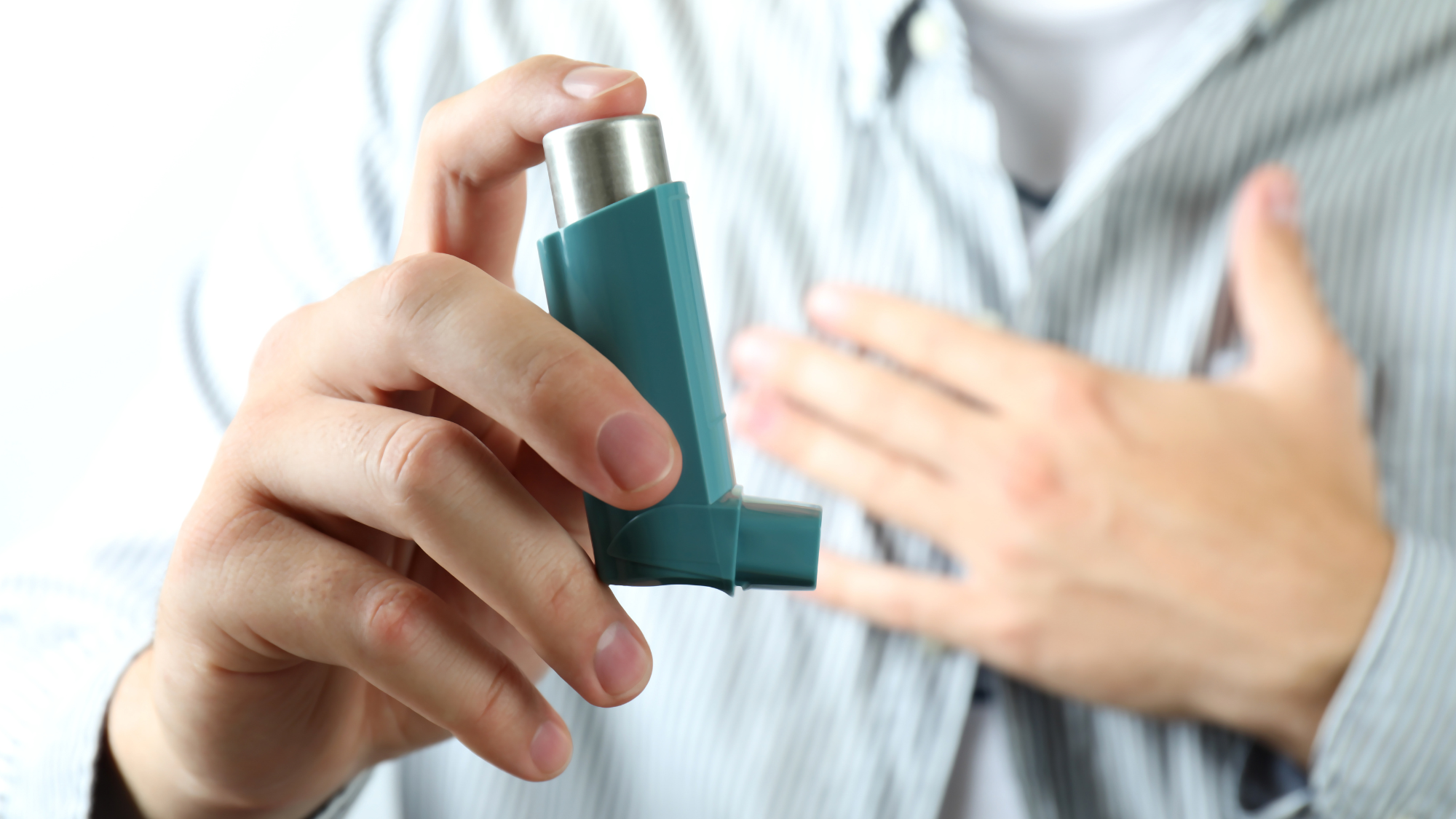
As the holiday season approaches, many of us are eagerly preparing to deck the halls and create a festive atmosphere in our homes. However, for individuals with asthma or chronic obstructive pulmonary disease (COPD), the holidays can bring about unique challenges. In this blog, we’ll explore various indoor air triggers that can lead to asthma or COPD flare-ups during the holiday season and discuss ways to minimize their impact.
Fireplaces: Wood and Gas
While crackling a fire may seem like the epitome of holiday coziness, it can be a potential trigger for many respiratory ailments. Wood-burning fireplaces release particles and gasses that can irritate the lungs. Gas fireplaces, although cleaner than their wood counterparts, still emit pollutants. To mitigate the impact, ensure proper ventilation, and use an air purifier to filter out pollutants.
Extensive Cooking: Gas Stoves
Holiday feasts often involve extensive cooking, and gas stoves can release pollutants into the home like nitrogen dioxide, a known respiratory irritant. Proper ventilation is crucial when cooking, so make sure to use an exhaust fan and keep windows open to allow fresh air to circulate. Consider switching to electric appliances, which produce fewer indoor air pollutants.
Air Fresheners and Room Sprays: Holiday Scents and VOCs
Holiday scented air fresheners and room sprays are popular for creating a festive ambiance. However, many of these products contain volatile organic compounds (VOCs) that can exacerbate respiratory issues. Opt for natural alternatives like essential oil diffusers or choose fragrance-free options to avoid introducing harmful pollutants into your indoor air.
Scented Gifts: Lotions and Beauty Products
Gifts like scented lotions and beauty products can be problematic for people with asthma or COPD. The fragrances in these items often contain chemicals that can trigger respiratory symptoms. Consider opting for fragrance-free options when choosing gifts for your loved ones, and be mindful of the potential impact these products may have on indoor air quality.
Christmas Trees: Real vs. Fake
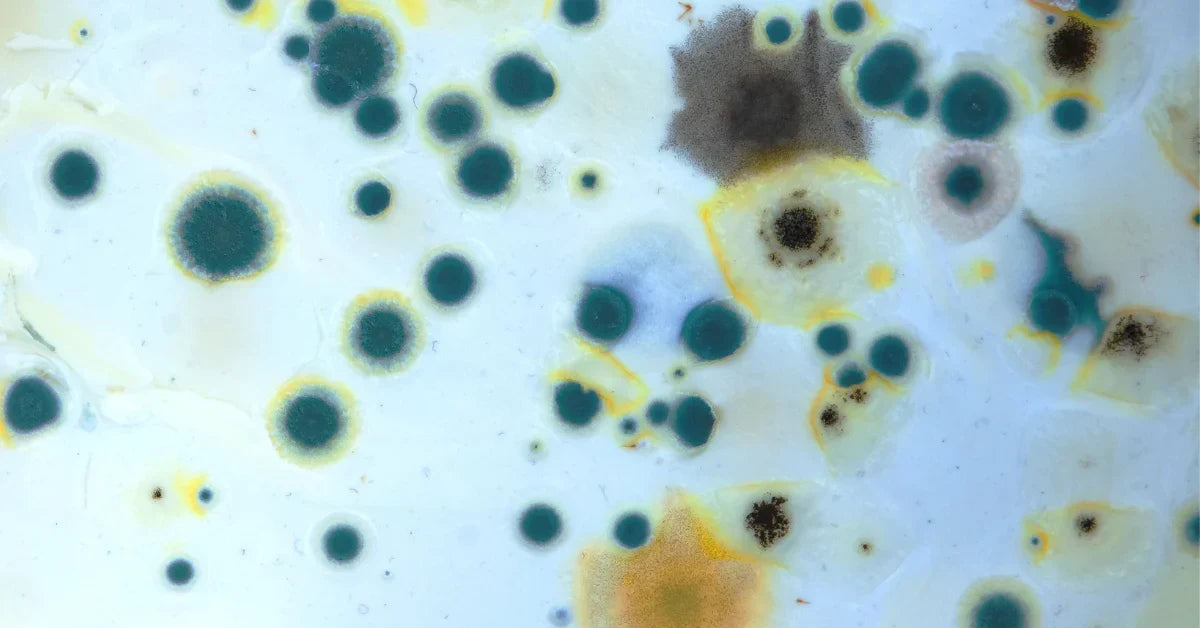
The debate between real and artificial Christmas trees goes beyond personal preference, especially for those with respiratory conditions. Real trees can harbor mold spores and may release VOCs. On the other hand, artificial trees can accumulate dust, too, if stored improperly. Regularly clean and dust artificial trees, and if opting for a real tree, thoroughly shake it before bringing it indoors to minimize potential allergens.
Celebrating the holidays should be a joyous occasion for everyone, including those with asthma or COPD. By being mindful of indoor air triggers and taking proactive measures to minimize their impact, there can be a festive and safe environment for all. Whether it’s choosing cleaner alternatives or ensuring proper ventilation, these small adjustments can make a significant difference in the well-being of those with respiratory conditions during this holiday season.



Share:
Wildfires Have Reversed Twenty Years of Clean Air Progress
Easy Air Purifier Financing: Get Cleaner Air Today