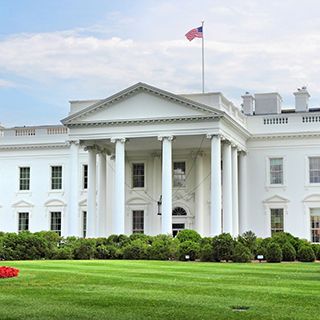
In January 2021, the newly elected administration published a “National Strategy for the COVID-19 Response”. The strategy was developed to give people the tools they needed to protect themselves, reopen schools, and get the economy moving again. Last week, that strategy was updated and is now part of a “National COVID-19 Preparedness Plan.”
One notable goal of the new preparedness plan includes preventing economic and educational shutdowns. For the country to move forward, schools and businesses must be given the tools they need to reopen and remain open safely. To prevent future economic and educational shutdowns, the government will implement various measures.
Tax Credits
Workers will be entitled to sick pay due to a COVID-19 absence or if they need to care for a loved one with COVID-19. This will be paid in the form of tax credits to small and medium-sized companies.
Clear Guidelines and Technical Support to Improve Indoor Air Quality
If we are to keep schools and businesses open, the government has made it clear,
“Improvements to ventilation can maximize health outcomes. When indoors, effective ventilation strategies can help reduce viral particle concentration, as well as other indoor air contaminants.”
At the beginning of the pandemic, the CDC, the EPA, and the WHO developed a set of guidelines advising the use of portable Certified HEPA Material air purifiers in schools, offices, and other public buildings. To guarantee a safe return to school and work, the government will continue to provide schools and offices with the guidance and technical support they need to improve indoor air quality.
EPA’s Clean Air in Buildings Check List
The EPA will provide additional resources, in the form of a set of recommendations, that all buildings can follow to improve ventilation and air filtration.
- The checklist will provide links to other government resources, including the CDC, the EPA, and the DOE.
- It will include steps on how to increase the amount of outdoor air coming in by opening windows, doors, dampers, and other air openings.
- It will also explain the need for cross ventilation and how HVAC systems can be improved.
- It will outline how the use of portable Certified HEPA Material air filtration can help to reduce the number of viral particles in the environment and therefore reduce the risk of infection.
The government will then call on building owners, managers, business owners, and organization leaders to take on these key strategies as part of the “Clean Air in Buildings Challenge.”
Clean Air in Buildings Challenge
To encourage organizations to follow the EPA’s “Clean Air in Buildings Checklist”, the government will also introduce a “Clean Air in Buildings Challenge” to help organizations develop key strategies to improve ventilation. The government will also create a recognition program that acknowledges when air quality and ventilation have been improved.
Funding Is Available for Schools and Business
To guarantee schools and other organizations achieve the strategies outlined in the “Clean Air in Buildings Challenge,” the government provided $350 billion to state and local governments and an extra $130 billion to schools to finance the ventilation and air purification upgrades needed.
Build Awareness of the Need for Effective Ventilation and Air Filtration
The demand for safe, effective indoor air filtration has grown exponentially over the last few years but there is still work to be done. The government is committed to building public awareness and communicating the need for adequate ventilation and filtration to help protect against COVID-19.
Share:
Planning to Spring Clean? Keep An Eye on Your Indoor Air Quality
Opening Your Windows This Spring Isn't Enough to Freshen Up Your Home