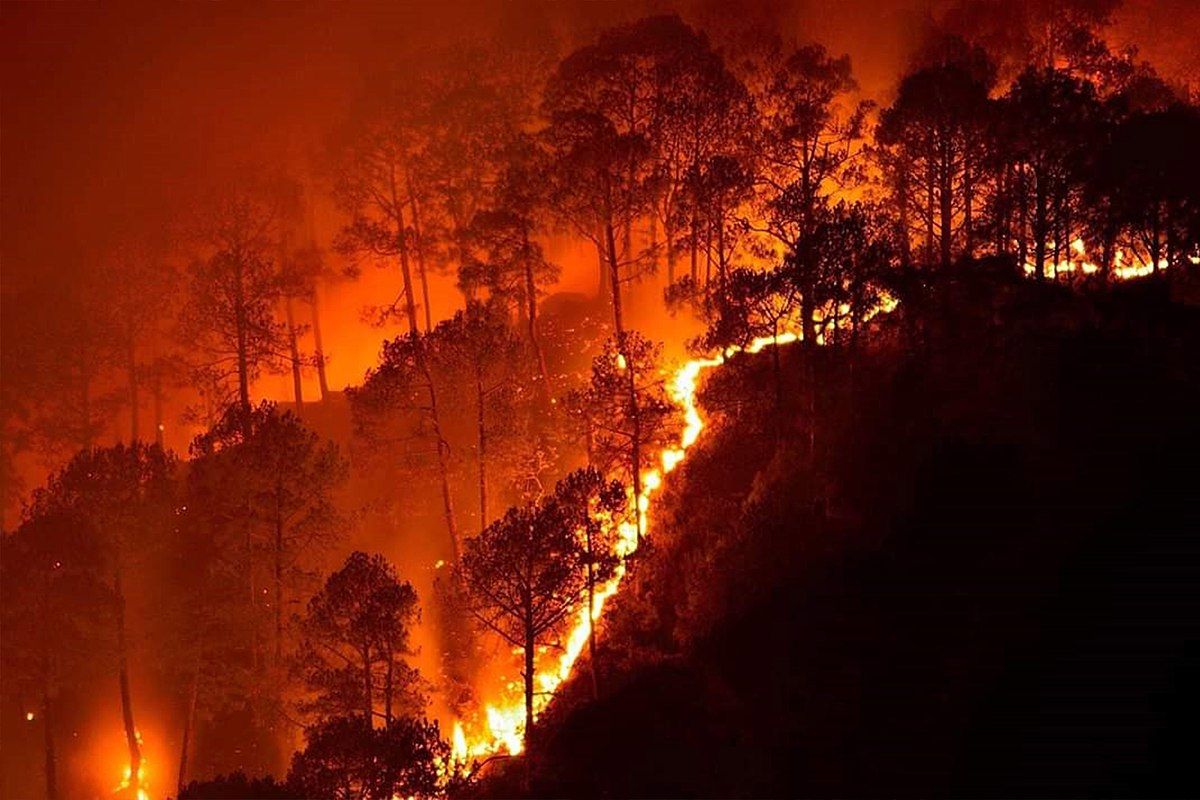
In recent years we have seen record numbers of wildfires all across the country. Thousands of people have lost their homes and there have been hundreds of deaths. But what happens afterwards? When the fires have been put out and the smoke clears…
In the short term, people exposed to wildfire smoke may notice an increase in respiratory symptoms, such as asthma and bronchitis. But it’s the long term effects on our health that are particularly alarming.
What are the experts saying?
According to Dr Vijay Limaye, from the National Resources Defence Council (NRDC), it’s the tiniest of particles in smoke that do the most damage. PM2.5 is so small, once inhaled, it can pass through the lining of the lungs and find its way to other parts of the body, including the brain and the heart.
And it’s not just those living close to the fires at risk. Small particles from the smoke can travel hundreds of miles, for weeks after the fires have been put out.
A study published in the journal Allergy, found that children exposed to smoke from the Fresno fires of 2015, have experienced changes in the genes associated with their immune system. Smoke exposure now, increases their chances of suffering from asthma and infections in the future.
It’s time to act
It is clear from these findings that air pollution is doing irreversible damage to the DNA of our immune cells. Damage that could be passed on to our children. We need to act now if we want to protect the health of future generations.
The most obvious and biggest challenge we face is the climate crisis. But there are other smaller issues that if addressed, could also reduce the risk of wildfires. There are currently a significant number of people living in areas that are wildfire ‘hotspots’. Future developments need to be better managed, to ensure new homes are not built in areas prone to wildfires. There is also much that can be done to improve forest management. More prescribed burns can help to reduce the risk of larger, uncontrolled fires breaking out.
If drastic changes aren’t implemented soon, these new super fires will become the new norm. It’s time to act, before more lives are lost.
We can help
If you live in an area affected by wildfires you may want to consider investing in an Austin Air HealthMate Plus air purifier. With a broad-spectrum adsorption, it removes a wide range of contaminants, including those found in wildfire smoke.
For more info on the Austin Air HealthMate Plus follow this link.


Share:
Looking back on 2019
Lauren Scruggs Kennedy recommends the Austin Air HealthMate Plus