
We often associate allergies with spring time. Trees and grasses pollenate, causing endless misery for allergy sufferers. However, fall is ragweed season, and that brings its own set of problems for people with seasonal allergies. Allergy symptoms are very similar at both times of year. But fall can be particularly dangerous for people suffering from asthma and allergies.

Being outdoors when the weather is cold can cause the airways to contract, a common asthma trigger. And there are a lot more viruses floating around too, further increasing the asthma risk. Add allergy symptoms to the mix and we’re in trouble.

If you suffer from asthma and allergies there are a few steps you can take to minimize risk. If the weather is cold, cover your mouth and nose with a scarf to stop the cold air from rushing in. If possible, get your flu shot, to keep you healthy through the winter. Drink lots of water, it helps to keep mucus thin and therefore easier for your body to remove.

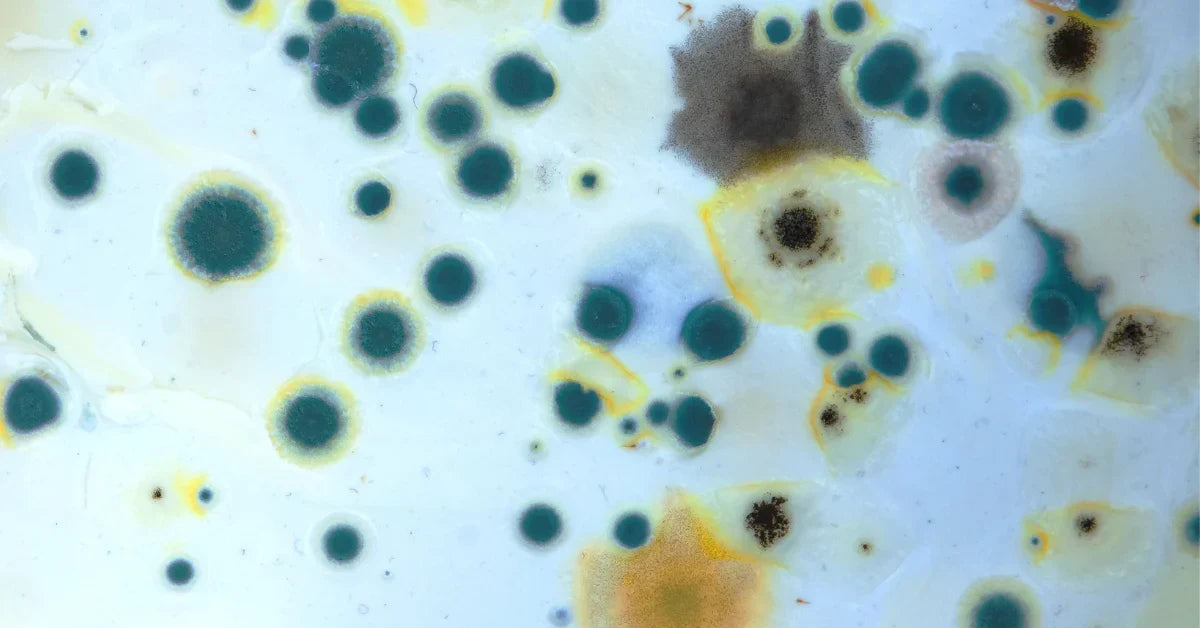
Pay particular attention to your indoor environment at this time of year. As the weather turns colder, we spend more time inside, so it is vital that we keep dust and other allergens to a minimum. Regularly wash bedding, vacuum and dust thoroughly. Remove any clutter that can trap dust. Check for mold, particularly in the bathroom and basement where mold likes to live.

Austin Air purifiers are an excellent choice for people with asthma and allergies. Designed to remove airborne allergens and mold spores, Austin Air cleaners will keep the air in your home healthy, safe and free from pollution.

Latest Stories

View all

Your Back-to-School Respiratory Reset: Get Ahead of Cold and Flu Season

Your Back-to-School Respiratory Reset: Get Ahead of Cold and Flu Season

School season is on its way in full swing; You have a head start, so use it. Cold and flu season in North America usually builds through the fall and peaks between December and February—which makes late summer the ideal time to build resilience, not scramble for it.¹ Your defenses aren't fixed. Sleep, food, movement, and the air you breathe measurably change how easily you catch—and shake off—respiratory bugs. There are five factors you can control starting today: Detox your home's air, protect sleep, feed the immune system, move every day, and switch to safer cleaners. It's simple and family-friendly. No doctor's appointment or big budget required. Most of it you can do with your kids this week. Cleaner indoor air ties it together. It's the backdrop to everything else—and where the free Parent-Teacher Toolkit and the 8-phase Immunity Machine come in.


Read moreabout Your Back-to-School Respiratory Reset: Get Ahead of Cold and Flu Season

New CDC Mold Data (2026): What It Really Means

New CDC Mold Data (2026): What It Really Means

The first CDC study to measure invasive mold disease—who’s actually at risk, and what it means for the air in your home. In late July 2026, the CDC published the first systematic estimate of how often invasive mold disease occurs in American hospitals. Researchers reviewed 968 possible cases at four Atlanta-area hospitals between 2020 and 2024 and confirmed nearly 450 of them as invasive mold disease. This disease is a serious infection in which mold moves from the airways into the lungs, sinuses, skin, or bloodstream, . ¹

Read moreabout New CDC Mold Data (2026): What It Really Means

The Travesty No One Is Reporting: Schools Are Throwing Away the Air Purifiers Our Kids Still Need

The Travesty No One Is Reporting: Schools Are Throwing Away the Air Purifiers Our Kids Still Need

Five or six years ago, putting air purifiers in classrooms was front-page news. Today those same machines are being sold on eBay, stacked in storage sheds, and left at the curb for the garbage truck—while asthmatic children sit in the very rooms they were bought to protect. Here is why every parent and teacher should be paying attention.

Read moreabout The Travesty No One Is Reporting: Schools Are Throwing Away the Air Purifiers Our Kids Still Need