We typically spend 90% of our lives indoors, often in close proximity to one another. With everything that has happened over the last few months, sharing the air with others can be a real worry. However, there are a few things you can do to ensure the air in your space is clean and safe.
Monitor humidity levels
Firstly, keep an eye on humidity levels. Placing a humidity gauge, known as ‘Hygrometer’, in your home is an inexpensive and effective way to do this.
High humidity problems
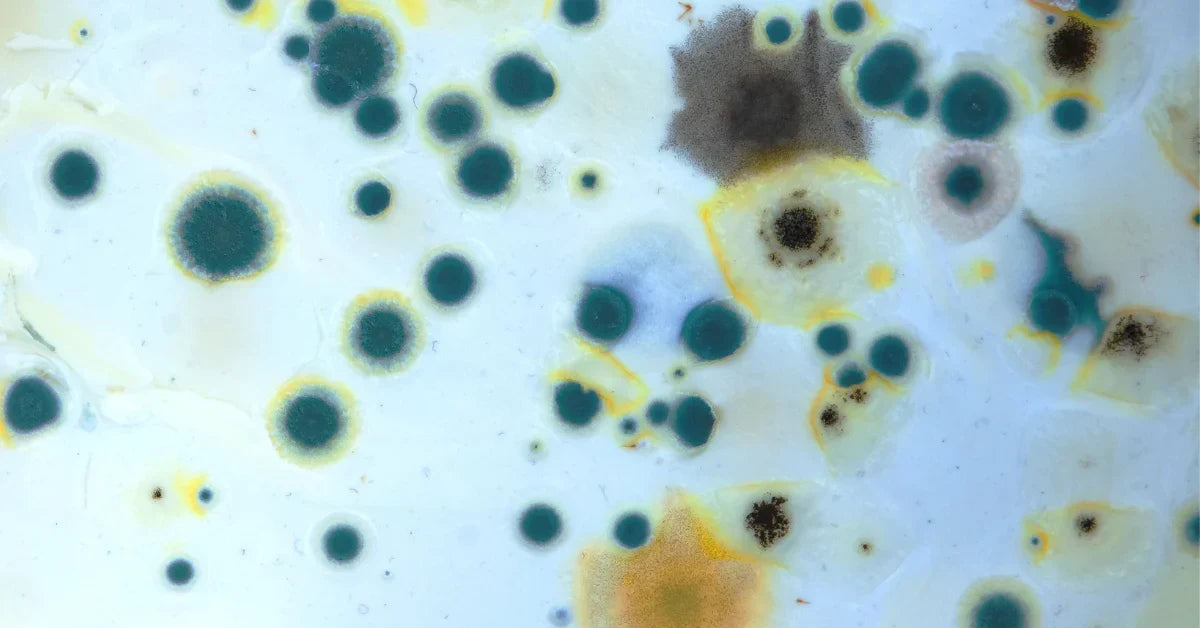
Ideally, humidity should be between 30 and 50%. If the reading is too high, you may start to notice a musty smell and will be at risk of mold developing. Bed bugs and cockroaches also thrive in damp environments, another really good reason why you want to keep humidity levels healthy.
Tips to help lower humidity levels
Good ventilation is the most effective way to keep moisture out of your home. Kitchens and bathrooms can be problem areas, so it’s important to keep the air flowing and well ventilated in these rooms. Keep an eye out for leaks or moisture build up. And ensure your gutters and downspouts are free from debris. Even though they are outside, blocked gutters can contribute to high humidity inside your home.
What happens when the air is too dry?
At the other end of the scale, air that is too dry can also be a problem. Breathing dry air affects our immune system and prevents it from fighting airborne bacteria and viruses, such as Covid-19.
Low humidity also affects the structure of airborne viruses. It allows the virus to dry out. It becomes lighter and can float around in the air for longer. This increases our chances of becoming infected.
Precautions to take
According to Dr Akiko Iwasaki PhD, Professor of Immunobiology and Molecular, Cellular and Developmental Biology at Yale, we are most at risk of low humidity in the winter months, when cold dry air is heated indoors. This can cause humidity levels to drop to around 20%, the ideal environment for viruses such as Covid-19 to hang around in the air. Dr Iwasaki suggests using a humidifier in colder months to avoid this.
Austin Air helps to protect against viruses
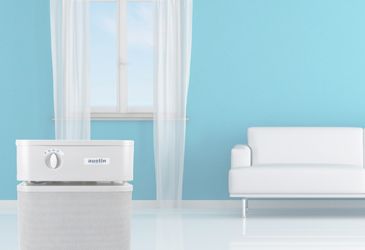
Once humidity levels are in check and for true peace of mind, you may want to consider purifying the air, to reduce airborne pollutants. The Austin Air Bedroom Machine, with its 5 stages of filtration, offers the ultimate protection against a wide range of contaminants, including viruses* and bacteria.
Medical Grade Certified HEPA Material
The Bedroom Machine helps to protect against airborne viruses in two ways. Using Medical Grade Certified HEPA Material it removes 99% of all pollutants as small as 0.1 microns.
HEGA Carbon Cloth
Secondly and unique to Austin Air, the Bedroom Machine uses HEGA carbon cloth, a revolutionary material developed by the British Military. Tests carried out by the UK Health Protection Agency show HEGA to be effective at capturing and destroying airborne viruses.
However, it is important to mention, that as well as airborne transmission, like all viruses, Covid-19 can also be spread via surfaces and human contact. Therefore, it is vital that we regularly wash our hands and practice social distancing.
If you’d like to learn more about the Austin Air Bedroom Machine and how it can protect you and your family, click here for full info.
*Covid-19 is a new strain of virus that as yet, remains untested. However, the Medical Grade Certified HEPA Material technology used in our filters is proven to remove up to 99% of all airborne contaminants as small as 0.1 microns.


Share:
Stay safe this wildfire season
The CDC recommends HEPA filtration in dental surgeries