

It’s that time of year, the days are getting shorter, and the temperatures are dropping. If you’ve noticed a damp, musty smell in your home, it could be mold and it could be affecting your health.
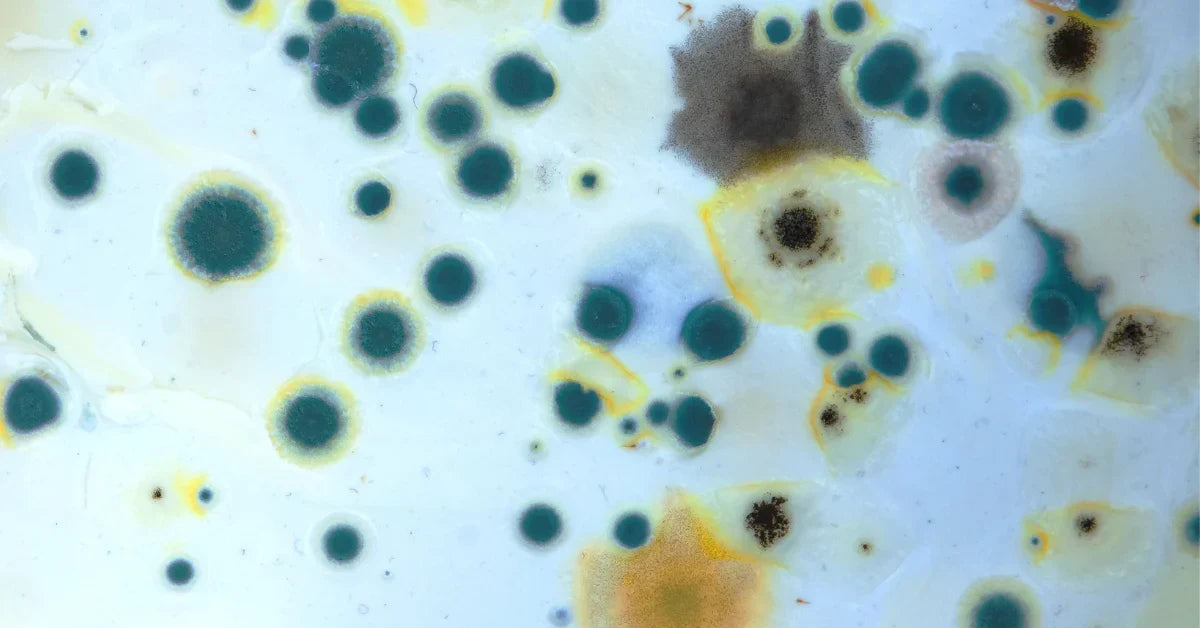
Mold comes in a variety of shapes and sizes. It can be black spots in your shower or white fuzzy stuff in your basement. Whatever the color, it’s all mold and it’s all creating contaminants in your home.
The dangers of Mycotoxins
When it comes to mold, it’s not just the black spots you need to worry about. Mold produces millions of airborne spores that, when inhaled, can cause allergy like symptoms. In the right conditions, certain types of mold can also produce Mycotoxins. Although naturally occurring, Mycotoxins can be extremely dangerous for some individuals. They have been associated with liver cancer and kidney failure, they can also damage the brain and central nervous system. For some people, the effects of mold can be life changing.
Where is it coming from?
The first step in tackling mold in your home, is to track down the source. Mold loves a warm, damp environment. Given the right conditions, it will happily eat away at various materials in your home if you let it. So check for damaged pipes, leaks in the roof or any source of damp. Poorly ventilated bathrooms and basements are often the perfect breeding ground for mold in your home.
Its time to get cleaning
Once the source of the mold has been addressed, the mold itself needs to be removed. If you are sensitive to mold or have ongoing respiratory issues, such as asthma or allergies, you may want to call an expert. But if you’re happy to take care of the problem yourself, bleach, vinegar and borax are all effective mold cleaners. Check out this great article from Family Handyman for advice on how to clean mold from surfaces safely.
Now you can focus on the air
When the leaks have been repaired and the mold has been cleaned, it’s time to focus on the contaminants in the air. Mold releases millions of tiny spores into the surrounding air and if inhaled, they can have a major impact on your health. We all react to mold in different ways, from headaches and a blocked nose, to more severe symptoms such as difficulty breathing and wheezing.
Take control of mold with Austin Air!
If you’re looking to improve the quality of air in your home, the Austin Air HealthMate™ is without doubt our best air purifier for damp environments, where mold is a problem. The Medical Grade Certified HEPA Material used in the Austin Air HealthMate™ will effectively remove mold spores from the air. While the blend of carbon and zeolite will take care of the Mycotoxins that can develop when mold is present.
If you’d like more advice on how to keep the air in your home clean and safe, please don’t hesitate to contact one of the team at info@austinair.com We’d be happy to answer any questions you may have.


Share:
High level of chemicals found in kindergarten classrooms
Homeschooling? Keep an eye on air quality in your home classroom