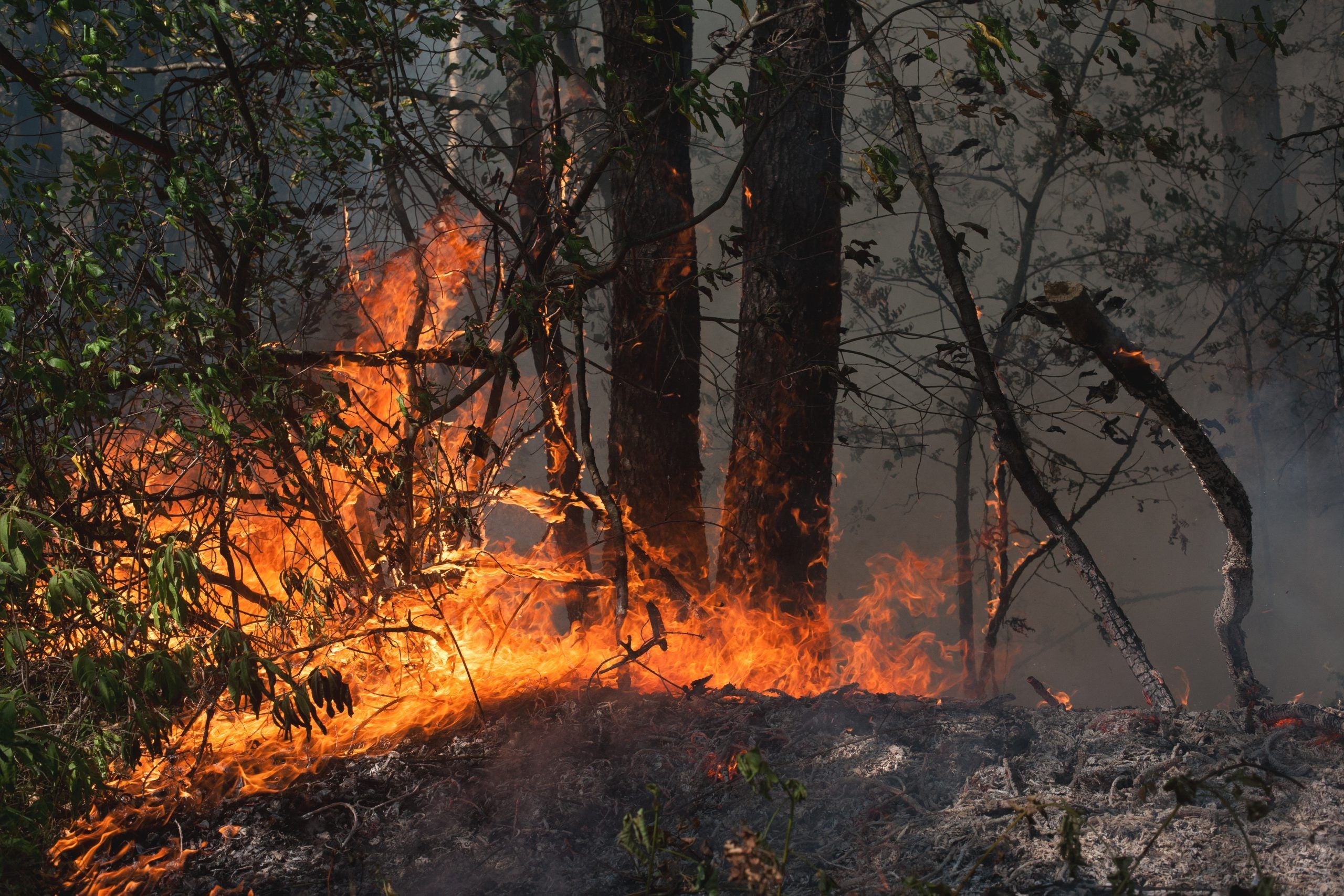
Summertime in the US and Canada can mean many people often live with the threat of forest fires. For those people living nearby there is the very obvious and direct threat of fire. But the health of the wider population is also affected. Haze from fires, combined with hot and humid weather can result in dangerously low levels of air quality.Forest fire smoke can cause various health problems, from irritated eyes and throat, to coughing, wheezing and breathing difficulties. It also contains pollutants such as carbon monoxide that can travel deep into the lungs, having a catastrophic effect on the health of people with existing respiratory problems.

When air quality is bad, be sure to take care. If you suffer from asthma, allergies, COPD or any other type of respiratory problem, stay indoors with the windows closed. Even for those of us with healthy lungs, when air quality is low, it is not advisable to take part in any strenuous activity outdoors, such as running or cycling.Try to keep the air inside your home as clean as it can be. Don’t burn anything, that includes wood or gas stoves, even candles should be avoided. If you have a Certified HEPA Material air purifier at home, be sure to use it at all times. And keep an eye on local weather reports, so that you can avoid leaving the house when air quality is particularly bad.

Follow the link to read more about what you can do to stay healthy when the air outdoors is bad.

If you are looking to improve the quality of air in your home and don’t yet have a Certified HEPA Material air purifier, visit our Products page to find out which one of our air purifiers is right for you

Latest Stories

View all

Your Back-to-School Respiratory Reset: Get Ahead of Cold and Flu Season

Your Back-to-School Respiratory Reset: Get Ahead of Cold and Flu Season

School season is on its way in full swing; You have a head start, so use it. Cold and flu season in North America usually builds through the fall and peaks between December and February—which makes late summer the ideal time to build resilience, not scramble for it.¹ Your defenses aren't fixed. Sleep, food, movement, and the air you breathe measurably change how easily you catch—and shake off—respiratory bugs. There are five factors you can control starting today: Detox your home's air, protect sleep, feed the immune system, move every day, and switch to safer cleaners. It's simple and family-friendly. No doctor's appointment or big budget required. Most of it you can do with your kids this week. Cleaner indoor air ties it together. It's the backdrop to everything else—and where the free Parent-Teacher Toolkit and the 8-phase Immunity Machine come in.


Read moreabout Your Back-to-School Respiratory Reset: Get Ahead of Cold and Flu Season

New CDC Mold Data (2026): What It Really Means

New CDC Mold Data (2026): What It Really Means

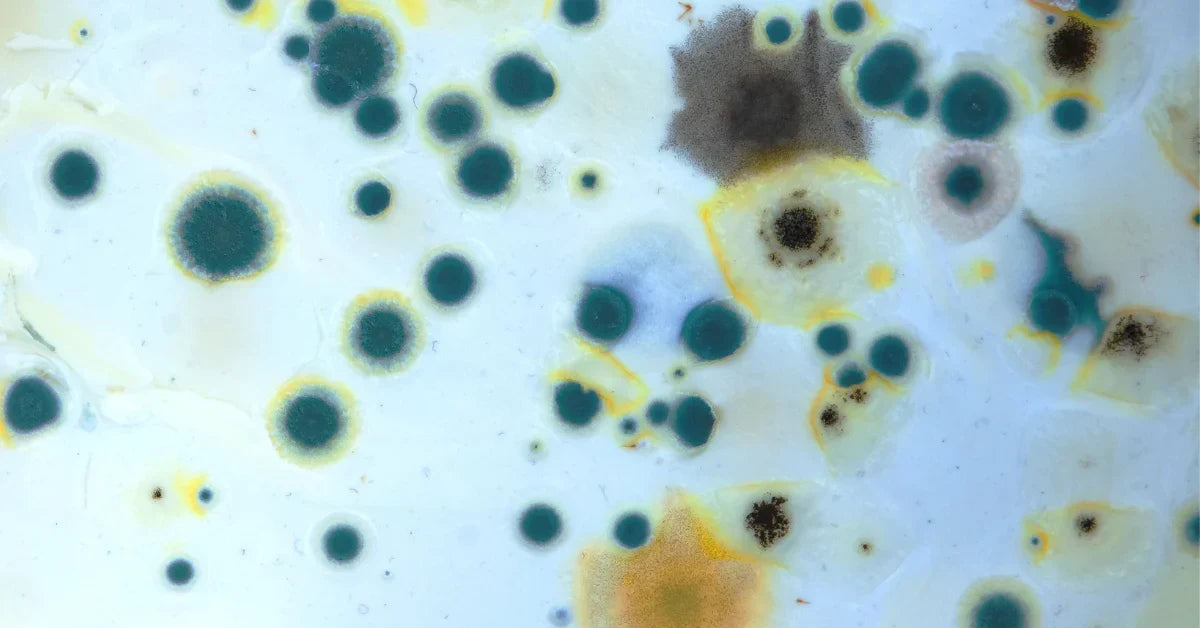
The first CDC study to measure invasive mold disease—who’s actually at risk, and what it means for the air in your home. In late July 2026, the CDC published the first systematic estimate of how often invasive mold disease occurs in American hospitals. Researchers reviewed 968 possible cases at four Atlanta-area hospitals between 2020 and 2024 and confirmed nearly 450 of them as invasive mold disease. This disease is a serious infection in which mold moves from the airways into the lungs, sinuses, skin, or bloodstream, . ¹

Read moreabout New CDC Mold Data (2026): What It Really Means

The Travesty No One Is Reporting: Schools Are Throwing Away the Air Purifiers Our Kids Still Need

The Travesty No One Is Reporting: Schools Are Throwing Away the Air Purifiers Our Kids Still Need

Five or six years ago, putting air purifiers in classrooms was front-page news. Today those same machines are being sold on eBay, stacked in storage sheds, and left at the curb for the garbage truck—while asthmatic children sit in the very rooms they were bought to protect. Here is why every parent and teacher should be paying attention.

Read moreabout The Travesty No One Is Reporting: Schools Are Throwing Away the Air Purifiers Our Kids Still Need